
Strawberry plants after harvest: how to care for them?
It would be a lasting shame to neglect strawberry plants after fruiting. On the contrary, after harvest they need your care. This applies to both the plant and the soil. It's high time to treat the beds from which you recently harvested sweet and juicy fruits. Avoid unnecessary mistakes so you can enjoy a bountiful strawberry harvest next year too!
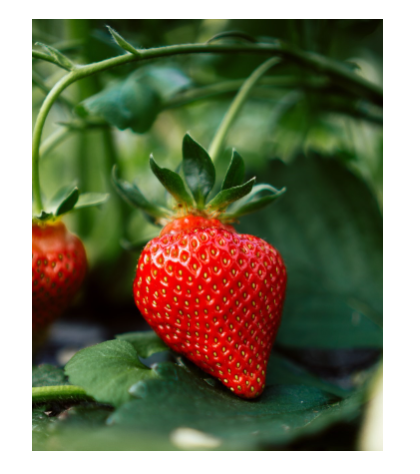
At this time the strawberry stand is commonly, to put it mildly, in an undesirable state, with compacted soil and weeds present (nettles, dandelions, chamomile, thistles, etc.), and you can notice runners spreading in the rows that form new plants. Weeds are best removed by hand and the strawberry beds should be shallowly hoed. For larger areas a spray can be applied. Cutting off the runners from the strawberry plants effectively prevents weakening of the crowns, and the cut runners can at the same time be used to prepare new plants.
Strawberries also propagate easily on their own. Therefore when renewing strawberry beds after harvest you may come across completely new seedlings. The closer they are to the parent plant, the greater their potential. You can transplant such plants into flower pots or planter boxes and keep them for autumn.
The best yields come from two-year-old strawberry plants. For three-year-old stands expect that few will remain healthy. Plants of this age are usually attacked by diseases or pests, and next year you will get much greater benefit and pleasure from new planting material.
Cutting leaves across the board stops assimilation
Many growers make the mistake of cutting strawberry leaves across the board. The fact that the plants in your bed have already served their purpose this season and fruited does not mean that these plants no longer need to assimilate. By cutting leaves across the board you prevent further intake and conversion of substances by the plant, leaving it considerably weakened. So how should you properly remove leaves from strawberry plants?
Be patient and carefully cut off only unhealthy or damaged leaves one by one. Quality garden scissors will make the job easier.
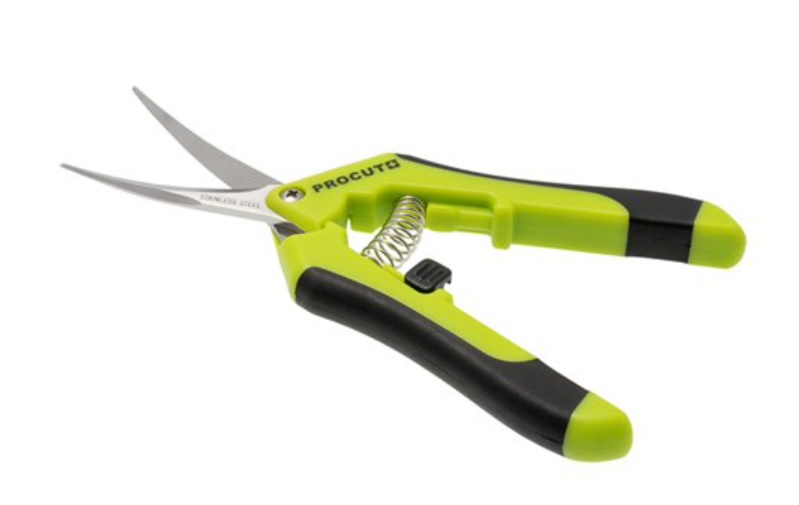
Don't be misled by the fact that large-scale growers and many gardeners following their example remove leaves after harvest by simply mowing the stand, and if they do not damage the plant crowns, the strawberry plants will have plenty of new leaves before winter. For everbearing varieties this does not apply and the leaves have not had time to renew before winter. For that reason they would subsequently be threatened by frost. Mowing across the board is not worthwhile even for young stands.
Appropriate fertilization after strawberry harvest and the importance of watering
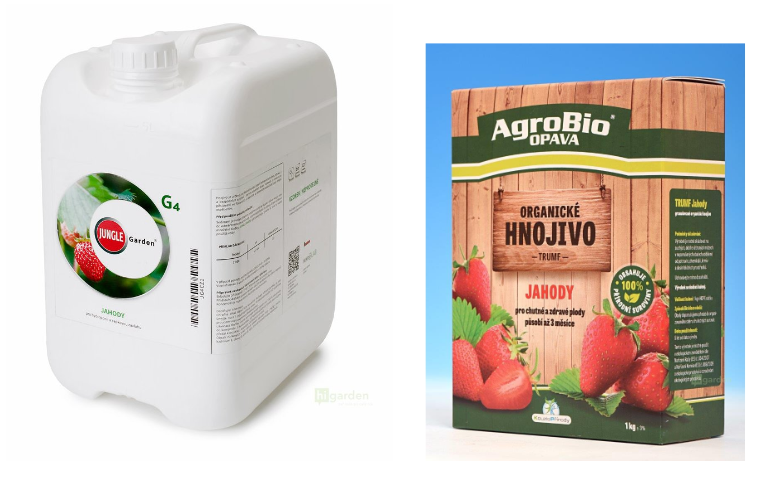
Strawberry plants have already expended all their energy and available nutrients to produce flowers and especially fruits. To re-fertilize such exhausted strawberry beds after harvest you can use both special fertilizers for strawberries and basic plant nutrition with a balanced ratio of nitrogen, phosphorus and potassium (see a separate article: NPK – what it is). The advantage is that quality strawberry fertilizers are also produced in the Czech Republic. Here is the evidence:
- Jungle GARDEN G4 – jahody (in the picture) together with the BASE component. We also recommend the separate article: Jungle Indabox maximizes the benefits of chelate binding.
- AgroBio TRUMF will be useful if you prefer a purely organic fertilizer for strawberries and other small fruit species.
The world-famous brand Terra Aquatica produces the fertilizer PermaBloom, which you can use not only for strawberries but for all other common crops where repeated production occurs.
Strawberry plants usually root fairly shallowly and you cannot count on a very branched root system. Sufficient watering after harvest is therefore very important so that lack of moisture during the winter months does not cause the plants to die. Before winter arrives, every fruited strawberry plant needs to be supplied with both water and nutrients.
From September onward, avoid higher levels of nitrogen and magnesium in the nutrition of strawberry plants.
Later comes the winter preparation of the strawberry plants. This will also decide what kind of yield you can expect the following year. Stands planted in autumn can be covered for the winter with conifer boughs. Bear in mind that everbearing varieties will be more susceptible to frost. Non-woven fabric helps against severe frosts: non-woven fabric.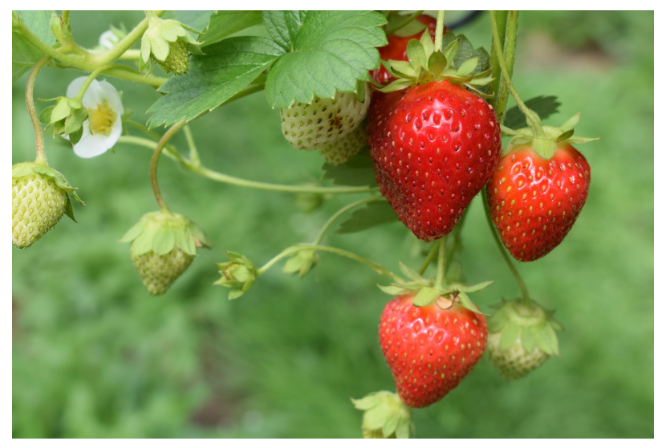
Regularly renew strawberry beds
Simply put, the soil in a strawberry bed needs to be loosened and fertilized after harvest.
When it comes to renewing strawberry beds, it's worth following the proven rule of ¼ of the area. This means that each year we renew at least a quarter of the bed, where we prepare exactly the soil that suits strawberries best and in which they can most quickly renew their growth after winter — that is, light, airy and slightly acidic soil. Light soil also warms up more easily. Measuring soil acidity will be helped by a digital pH meter for substrate.
If you overdid the watering the first time and your strawberry beds were waterlogged this year, resulting only in rot, don't despair. Now you know that suitable soil will also be the reason why next year you will be able to grow vital plants that produce beautiful and tasty fruits. You can deal with moisture in the beds by putting dry material under the strawberry plants (woody straw, cardboard, etc.). Beds also dry out more easily under black foil.
If you'd like to ask us anything, do not hesitate to write to our well-known email address info@higarden.cz. We'll be happy to advise you!
We also recommend these products:
- Vermiculite
- Aerated pots HERCULES
- LED Set 720W Lumii Black
What to read next:
- How to grow delicious strawberries at home?
- How to grow chili peppers?
- BIOTABS – organic fertilizers and soil supplements