
Spring gardening tasks
It's a joy to watch nature burst into bloom. Did you know that changes in the garden are most visible in April? The spring garden really changes almost every day at this time and demands intensive attention from gardeners, who are kept busy whether it's flowerbeds or the lawn. That's why we've focused on practical advice for effective spring gardening at this time.
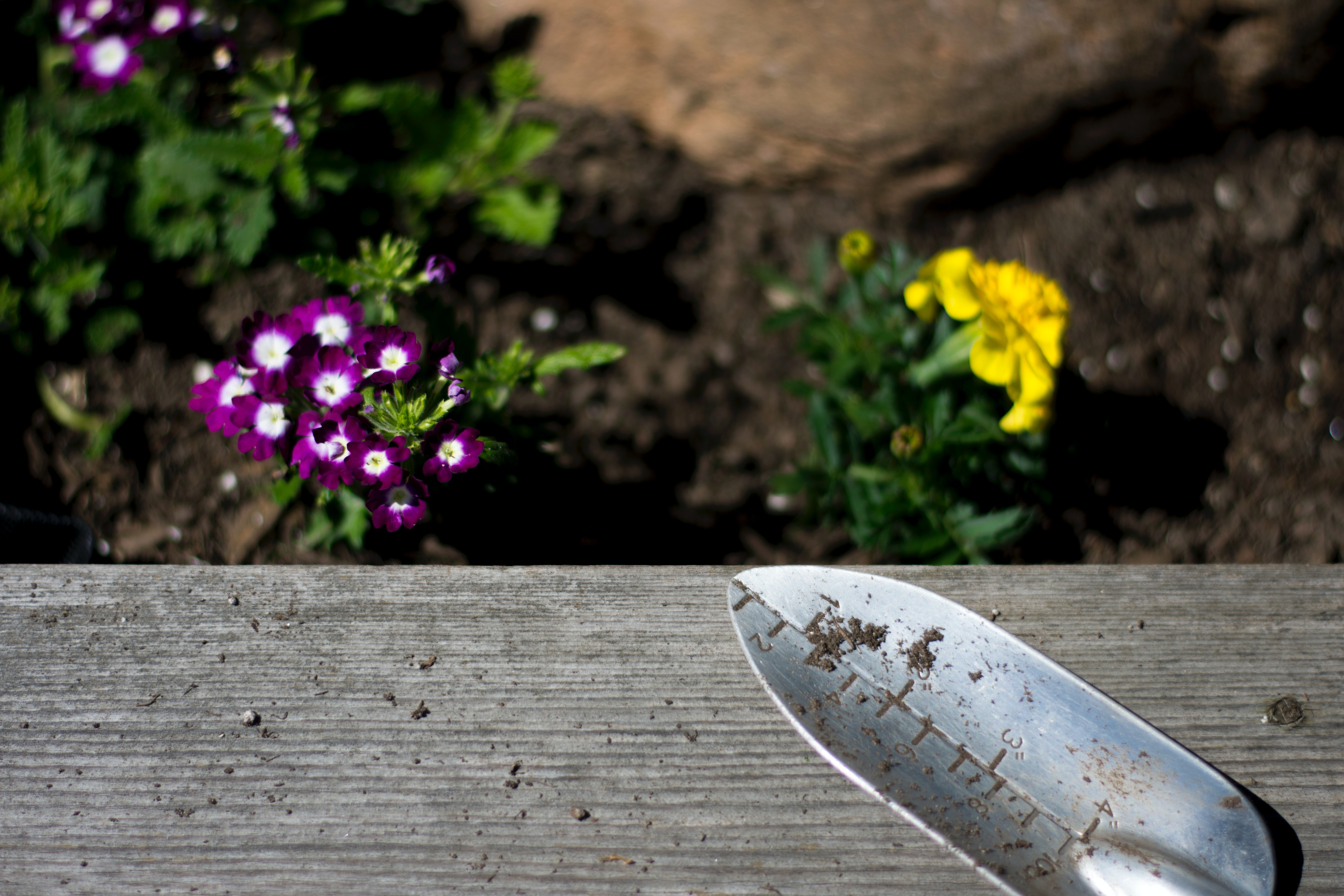
Preparing the garden after winter
Most gardeners plan garden cleanup around late February and March, but if you haven't had time yet during this hectic period, better late than never. After all, it's your garden, so no stress. You can still catch up on everything. For example, rake fallen leaves, branches and other plant debris left in the garden after a long winter. If you have a compost or vermicompost in the garden, you know where and why to put all this biowaste. If you haven't started a compost yet, we recommend our Guide to compostingcomposting.
An equally important part of preparation is checking your gardening toolkit. Gardening should be enjoyable, so there's no point struggling with, for example, old pruning shears or pliers.
Quality garden tools and comfortable gloves with non-slip treatment will make your preparations and subsequent garden work much easier and faster. So what tasks should you continue with once your spring cleanup is done?
Care for beds and the lawn
A straight spade will help you restore and level the edges between beds and the lawn.
Weeds thrive in spring. Remove them along with moss using a spade or a solid trowel, because April is exactly the month when thorough and repeated weeding pays off most in the garden. Frequent hoeing while weeds are going through their first two growth phases significantly weakens them. Before you know it, summer will be here and you'll be rewarded with a clean garden where weeds appear only sporadically. This is the first step in preventing pest outbreaks, which badly weedy beds naturally favor.
With moss, consider the possibility of it spreading to other corners of the garden, so uncompromisingly remove all its patches not only in beds but also focus on walls, stones or surrounding paths. These measures also save you on moss and weed treatment products (see below).
Mow old turf at least once a week, whether by a well-sharpened scythe or a mower, which will help thicken it. Remember that sharp blades not only make the work easier but also prevent unwanted tearing of grass with its roots.
Mid-April is also an ideal time to sow grass seed. If your lawn has bare spots, overseed them with grass seeds. For this purpose, use a grass mixture intended specifically for overseeding lawns or other grassy areas.
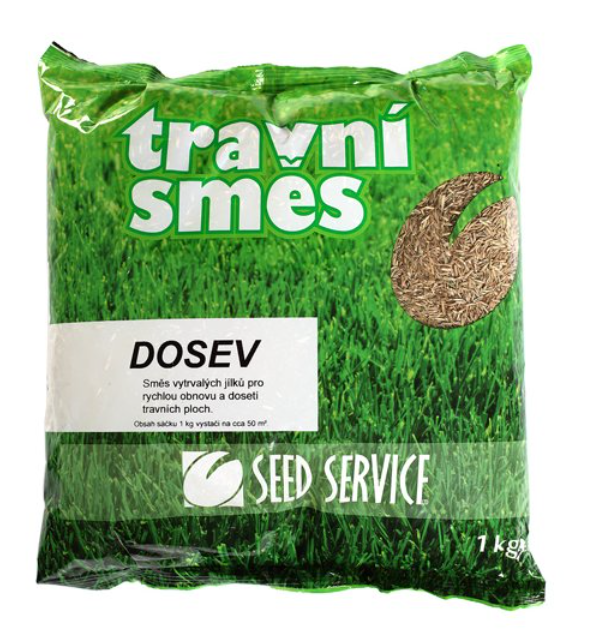
Generally, lawns struggle more in the sunniest parts of gardens. It's practical to dig up such sections and transform them into a blooming spring meadow sown with a pollinator-friendly grass mixture. Besides the aesthetic aspect and greater diversity in your garden, you'll attract pollinators and other beneficial insects.
To care for a beautifully green and dense lawn you can use these proven products:
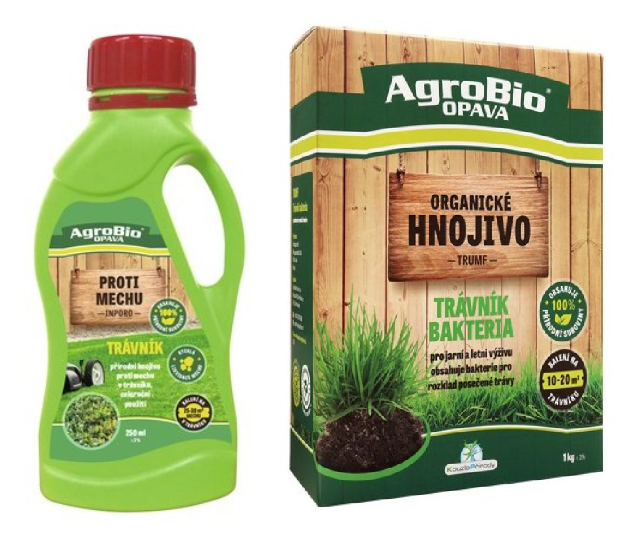
- Czech product AgroBio INPORO against moss in the lawn is a purely natural lawn fertilizer that visibly suppresses moss within one or two days.
- AgroBio Zdravý Trávník - for a beautiful lawn without weeds
- AgroBio TRUMF is a popular organic fertilizer designed for nourishing lawns.
Spring planting and fertilizing in beds
Although nature sometimes helps water the garden in spring, don't rely solely on rain, because freshly sown seeds or newly planted seedlings especially require sufficient watering. Thoroughly loosened soil should therefore be heavily watered not only after sowing but also before it. Just because a seedling takes root doesn't mean it's no longer very sensitive to drought. So never let the soil dry out.
Our TIPS for watering:
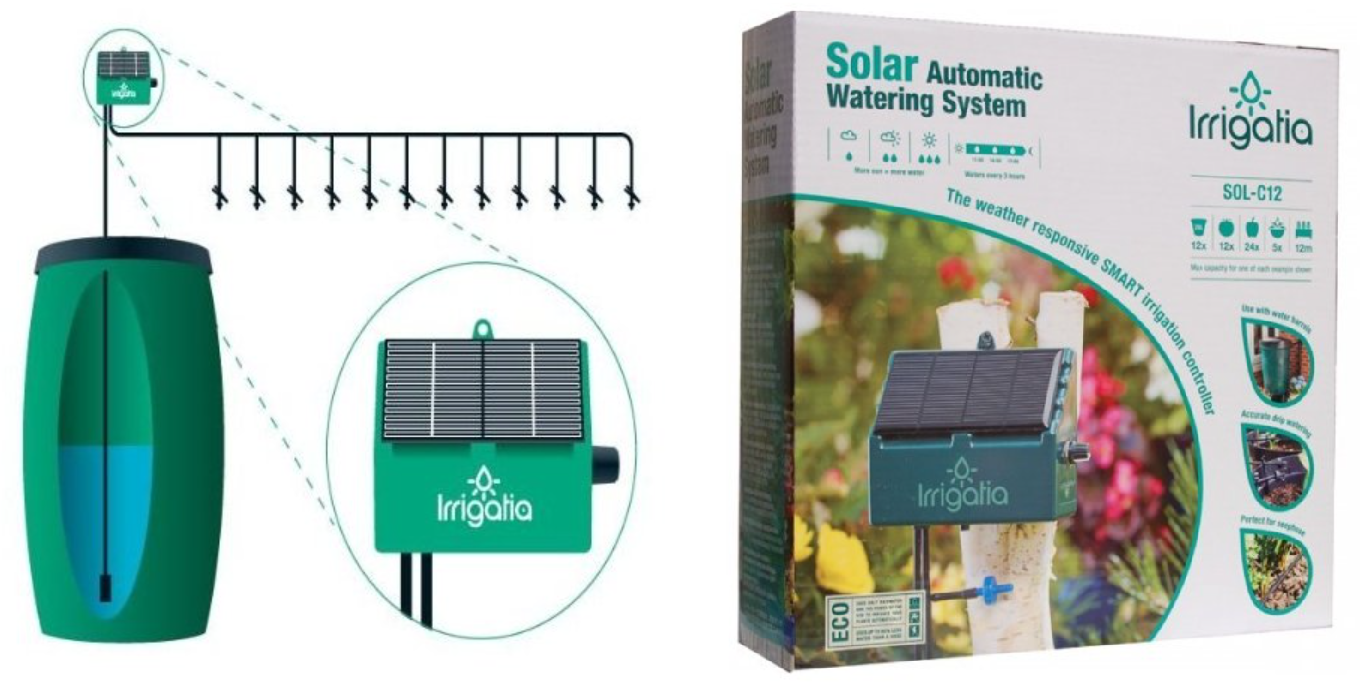
- If you're tired of the physically and time-consuming manual watering, put aside the watering can and replace it with drip irrigation (DRIP).
- Automatic solar irrigation Irrigatia is a great investment that will provide you freedom to travel later in spring and during summer while ensuring regular watering for your garden or lawn without using electricity. Solar irrigation systems are becoming increasingly popular among outdoor growers and gardeners. Besides better water efficiency with self-watering systems, they also support needed sustainability.
Give your beds plenty of nutrients in spring
Moist spring soil absorbs fertilizers well down to plant roots, so it naturally invites their application.
At this time it's necessary to provide plenty of nutrients to beds with small fruit, for example strawberry beds. Generous feeding is also particularly important now for fruit bushes and trees.
On Czech gardens you'll usually find bushes such as raspberry, gooseberry, or currant, which need to be sensibly pruned in spring to a length of about 130 cm. Raspberries have short shoots that are removed close to the ground.
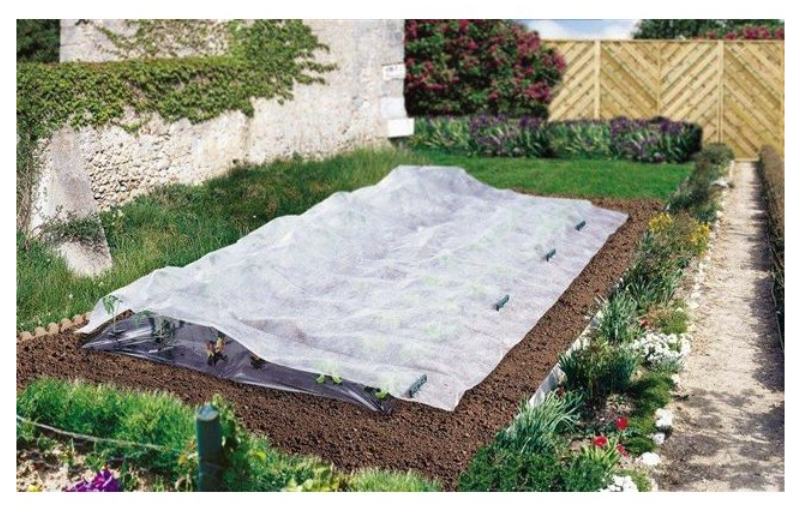
Whether sowing or planting, April nights can still bring frosts, against which protection in the form of non-woven fabric is suitable, as illustrated below.
When to start spring vegetable planting?
- Pre-grown or purchased seedlings should wait in optimal indoor conditions until the soil outside has warmed sufficiently to at least 6 or 7 °C. After that you can safely begin planting the following vegetables:
- Lettuces
- Beetroot
- Radishes
- Spring onions
- Spinach
- Leeks
- And others...
- Keeping about 10 cm spacing when planting vegetables prevents later thinning.
- From the early developmental stages you can strengthen young plants and give them a successful start, which will soon reward you with steady growth, exceptional vitality and overall quality of flowers or fruits. During the cutting and seedling growth phase try, for example, the British number one Shogun Start.

Our TIP: Try the comfortable NICE planting trowel with a lightweight but unusually durable plastic structure reinforced with fiberglass.
More practical tips for the spring garden:
- Turn the chirping birds in your garden into helpers that will help you with insect pests. Thoroughly cleaning and clearing feeders encourages them to find food independently.
- Spring provides enough rainfall for you to obtain a suitable container as a rainwater reservoir. Rainwater is free and has been used for garden irrigation since time immemorial. If you don't have one at home or in the shed, use practical folding textile rainwater tanks like the FlexiTank.
- More useful advice awaits you in a separate article: How to grow outdoors?

We hope this article has inspired you and that this year's spring in your garden will be the most successful yet. Use April weather together with quality nutrition, represented by basic and supplementary fertilizers. We are happy to help you choose them. Feel free to ask us anything via the familiar email address info@higarden.cz. We're here for you!
We also recommend these products:
- Hnojiva Shogun
- Vermiculite - substrate additive
- HERCULES aerated plant pots
Further reading:
- SHOGUN: the best British fertilizers with emphasis on research
- BioNova Boost Pack for luxurious flowers and fruits
- Organics Nutrients: naturally to great yields