
Organic vs. Synthetic Fertilizers: Which Is Better for Your Plants?
Every novice grower faces the choice of how to fertilize their plants. While organic fertilizers are environmentally friendly and require less work, mineral fertilizers act quickly and give the grower precise control over plant nutrition. We will guide you through the basic differences between organic and synthetic fertilizers and help you choose.
While organic fertilizers are made from materials of organic origin, such as compost, manure, bone meal and similar, synthetic ones are produced through human-controlled chemical reactions, for example from ammonia, phosphate minerals or the air. Synthetic fertilizers contain precise amounts and ratios of nutrients in forms that are quickly available to plants, mainly as mineral salts. On the other hand, organic fertilizers contain nutrients that must first be broken down in the soil by microbes before plant roots can absorb them. This process is slower, but it has the advantage of maintaining soil health in the long term. The use of mineral fertilizers can lead to the decline of important microorganisms and, over time, the soil can lose its ability to regenerate. Before we move on to choosing the right fertilizer for your garden, let’s summarize the basic advantages and disadvantages of organic and synthetic fertilizers.
Organic fertilizers: PROS and CONS
- Environmentally friendly: Organic fertilizers improve soil structure, support beneficial microbes and cause less water pollution.
- Sustainability: They come from renewable sources and are in line with ecological growing practices.
- Enhance soil health: Long-term use of organic fertilizers enriches the soil, making it more fertile and more resilient to external stresses.
- Slow action: When applying organic fertilizers, nutrients are not immediately available to plants.
- Bulk and storage: Organic fertilizers are used in larger volumes and can be bulkier than synthetic ones.
- Odor: Some organic products, such as animal manure, guano or fish meal, can smell strong and unpleasant.
Synthetic fertilizers: PROS and CONS
- Fast action: Synthetic fertilizers act immediately, which is ideal for addressing nutrient deficiencies or intensive growing methods.
- Precise feeding: Mineral fertilizers are easy to dose and you can easily tailor nutrition to the specific requirements of plants.
- Use in hydroponics: Mineral salts are suitable for preparing nutrient solutions and ideal for hydroponic and soilless cultivation.
- Environmental risks: Reckless and excessive use of mineral fertilizers degrades the soil and salt residues can leach into the surroundings.
- Soil degradation: Repeated application can disrupt the soil microflora and thus reduce soil health in the long term.
- Non-eco production: Raw material extraction and the manufacture of synthetic fertilizers have a negative impact on the environment.
Organic fertilizers: an ideal helper for outdoor growing 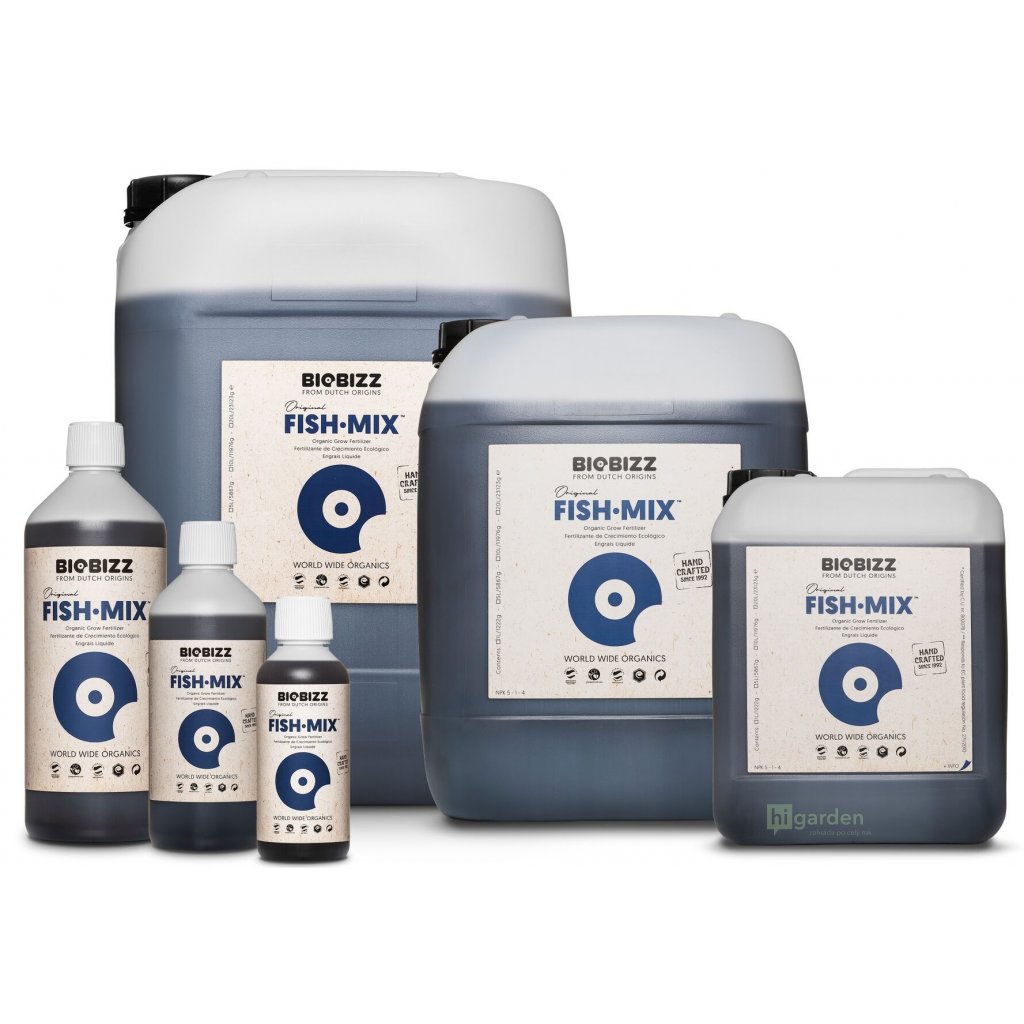
Organic fertilizers are best used for outdoor growing, for example in garden beds, but also in greenhouses. Some types of organic fertilizers, especially liquid formulas, can be used in pots as well, but keep in mind that they act more slowly than mineral salts. For optimal effect, the soil should contain a high proportion of organic matter and microorganisms that accelerate the breakdown of nutrients. The most commonly used organic fertilizers include compost, guano and vermicompost. You can also use compost teas and liquid organic fertilizers, such as Biobizz. When selecting and applying fertilizers, always consider the type of plants you want to grow and the season. Add compost or manure to beds in autumn so that the organic matter has enough time to decompose. If you encounter nutrient deficiencies during the growing cycle, you can quickly solve the problem by applying mineral fertilizers, but remember that in the long run you must enrich the soil with organic matter.
Synthetic fertilizers: precise plant nutrition
Synthetic fertilizers are a great tool for indoor growing and wherever plants cannot be grown naturally. They are ideal for container growing, but with careful use they can also be applied to open soil. You can use them in combination with soil mixes or various types of soilless substrates, such as coco, perlite or expanded clay. Mineral fertilizers are also used to prepare nutrient solutions for hydroponics. Remember that, unlike organic fertilizers, plants will deplete nutrients from the soil or substrate very quickly and you will need to fertilize at every watering. When using synthetic fertilizers, it is important to monitor the substrate pH and possibly the EC of the nutrient solution using a digital EC and pH meter. Choose mineral fertilizers according to the current needs of the plants. Generally, plants need more nitrogen for growth, while during flowering and ripening they consume more potassium. Most manufacturers of mineral fertilizers label their products as “grow” and “bloom.” You can also check the nutrient amounts from the mandatory NPK ratio on the label. For hydroponic growing, use special fertilizers for hydroponics.
Fertilization and plant nutrition is a complex topic that every grower should thoroughly master. If you want to learn more, visit our Higarden blog, where we explain in detail how to fertilize plants correctly and what to do if you encounter problems during cultivation.