
Indoor or outdoor: Which growing method is right for you?
Is it better to grow plants indoors or outdoors? Each method has its advantages and disadvantages. While indoor growing allows year‑round harvests and control over the environment, outdoor growing is cheaper and does not require technical knowledge. We will compare both methods and help you find the ideal option for your plants.
Indoor growing: Year‑round cultivation and control over conditions
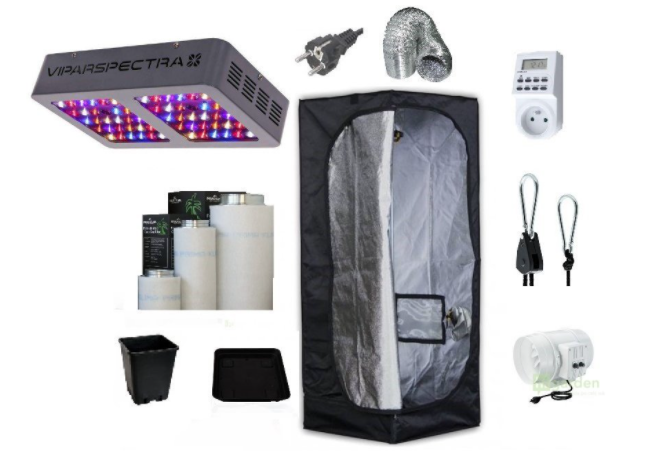 Indoor growing means that you cultivate plants in an enclosed space – in a growbox or an adapted room under artificial lighting that replaces sunlight. In such an environment plants can be grown using traditional methods in pots or raised beds filled with soil, but also hydroponically, in coconut substrate or inert growing media. Plants grown indoors generally require regular fertilization, whether with mineral or organic fertilizers.
You might be interested in: Buying a growbox from A to Z
Advantages of indoor growing:
- Full control over conditions – In an indoor garden you are the masters of the weather and can control temperature, humidity, light and air circulation by simply turning a knob.
- Year‑round cultivation – You can grow and harvest in every season in the comfort of your own home.
- Discretion – If you prefer, no one needs to know about your indoor garden.
- Protection from pests and adverse weather – Plants grown indoors are exposed to fewer pest pressures and pathogens than those outdoors.
- Exotic species – Some species (cacti, tropical plants, medicinal species, herbs, fungi) require specific environments and would have little chance of surviving outdoors.
Disadvantages of indoor growing:
- Higher initial costs – Although it is no longer true that indoor growing is an expensive hobby, initially you will need to invest at least a few thousand.
- More expensive to run – Sunlight and rain are free, but for indoor growing you must factor in ongoing electricity costs.
- Dependence on equipment – Failures of technical equipment at the wrong time can jeopardize your entire crop.
Plants suitable for indoor growing:
- Herbs (basil, mint, coriander, thyme)
- Exotic plants (orchids, citrus, banana trees)
- Leafy greens (lettuce, arugula, spinach)
- Houseplants (ficus, monsteras, succulents)
- Medicinal plants
- Tomatoes
- Chili peppers
Outdoor growing: Natural light and low costs
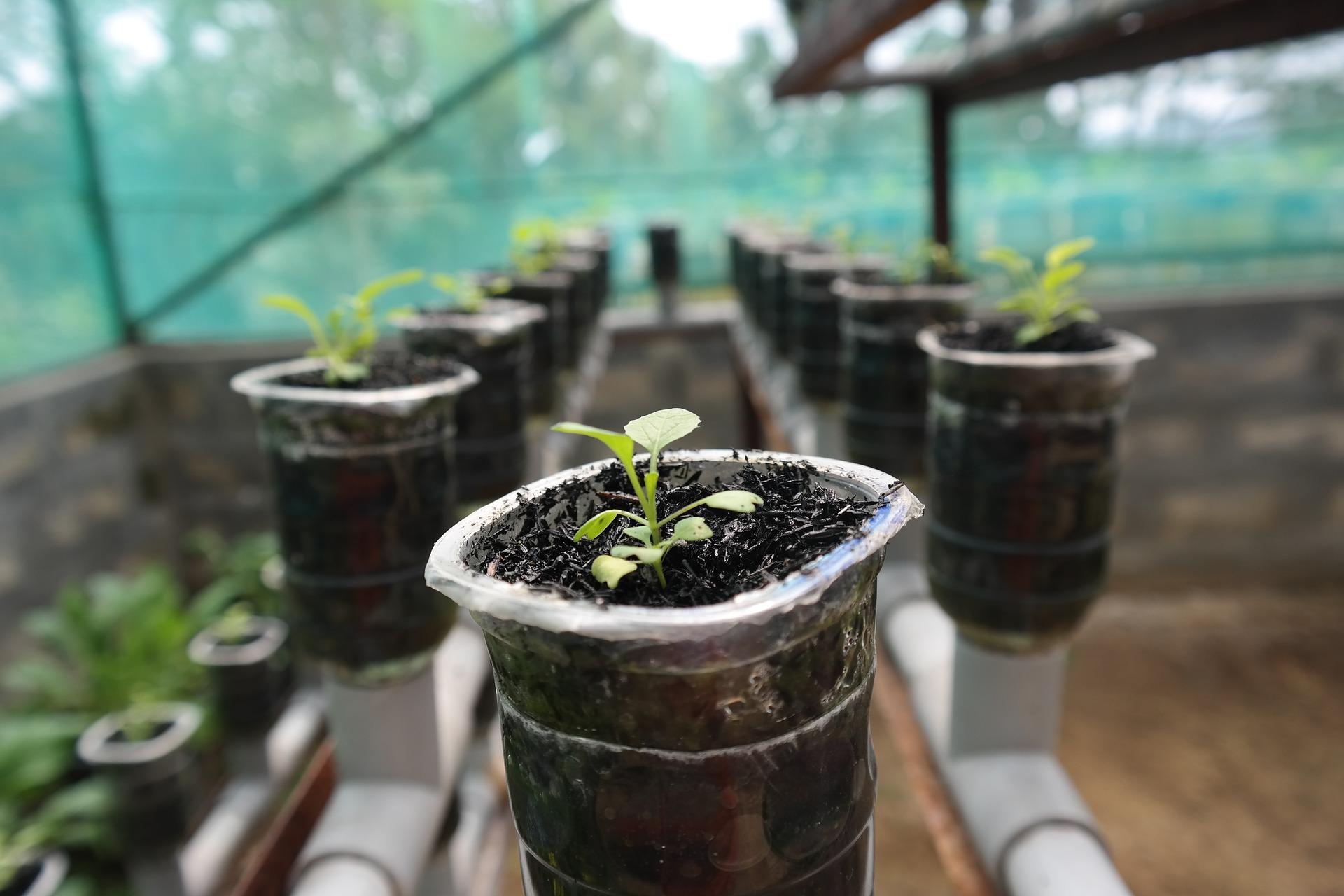 Outdoor growing means that you cultivate plants under the open sky, where they use natural sunlight and rainfall. This includes cultivation in open soil on beds, in pots, raised beds or in greenhouses. To make work easier and gain more control when growing outdoors, you can use various types of irrigation systems.
You might be interested in: Plan of the growing year: Prepare for the outdoor season
Advantages of outdoor growing:
- Sunlight – Although modern LED grow lights often outperform outdated sodium lamps, plants in the sun have access to a fuller light spectrum than those grown indoors.
- More space – Plants grown outdoors in open soil have more room for roots and tend to grow taller and bushier than indoor plants.
- Lower costs – Unlike indoor growing, outdoor cultivation can be almost free and it’s up to you how much you want to invest in your garden.
- Less fertilizer – Thanks to the natural nutrient cycle, plants grown in open soil do not require fertilizing as frequently.
Disadvantages of outdoor growing:
- Dependence on weather – Your crop can be damaged by extreme temperatures, strong winds, hail or excessive rainfall.
- Seasonality – Whether you grow vegetables, herbs or medicinal plants, the season ends in autumn and you will need to put your garden to sleep for the winter.
- Risk of pests and molds – Plants grown outdoors are exposed to insects and pests and to wind‑borne pathogens such as molds.
Plants suitable for outdoor growing
- Root vegetables (carrots, beets, radishes)
- Fruiting vegetables (tomatoes, peppers, zucchini, cucumbers)
- Fruit trees and shrubs (cherries, apple trees, currants, raspberries)
- Traditional herbs (lavender, sage, rosemary, lemon balm)
- Field crops (sunflowers, corn, potatoes)
- Legumes (beans, peas)
- Medicinal plants
Of course, the decision whether to grow indoors or outdoors depends primarily on your possibilities and priorities. If your main goal is to have maximum control over the environment and you want to grow year‑round and discreetly, choose indoor. If low costs are your priority, harness the power of the sun and grow outdoors.
Also consider the type of plants you want to grow. Exotic or warmth‑loving species do not do very well at our latitudes. You can also combine both methods. For example, you can pre‑grow chili peppers indoors and move them outside for the summer season. Once it starts to cool down outside in autumn, let the fruits ripen under artificial lighting. Similarly, indoor and outdoor growing can be combined in the form of lit or blackout greenhouses.
Looking for useful tips for growers, cultivators and enthusiastic gardeners? All that and much more can be found on our Higarden blog, where we regularly bring news for indoor and o