
Hydroponics Made Easy: Drip Irrigation
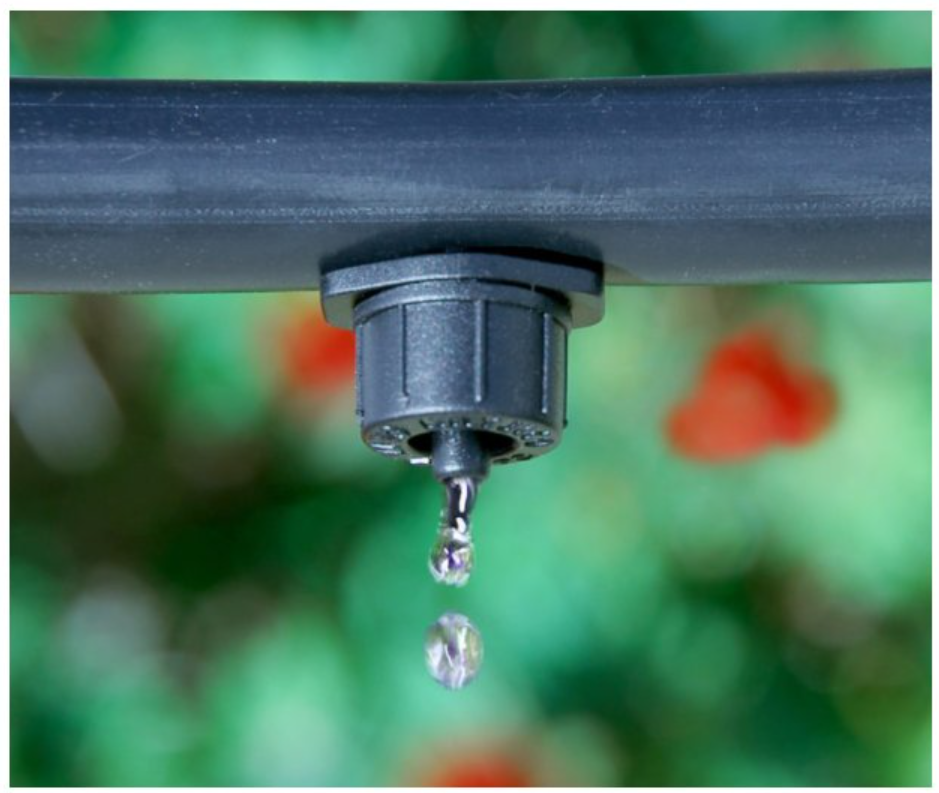
Drip irrigation, micro-irrigation, or simply DRIP — these are established terms among growers for the classic method of watering plants based on economical dosing of water. Read how it works and what benefits it brings to growers!
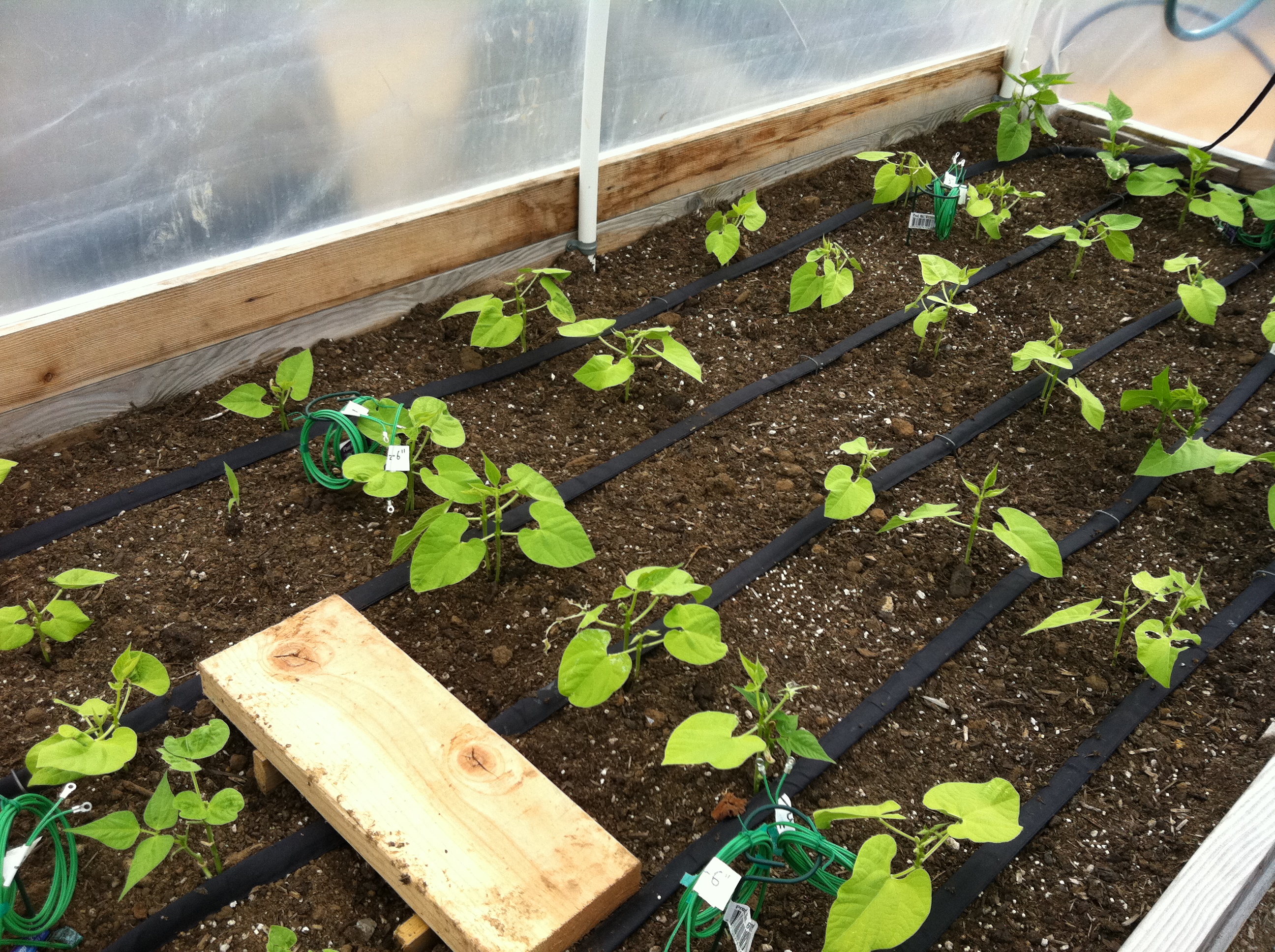
Besides achieving minimal water consumption with drip irrigation, you can make the watering process significantly more efficient. Especially if you grow a larger number of plants.
If you expect a proper harvest in your garden or greenhouse, manual watering is a thing of the past! The drip method is also useful for growing herbs at home or, conversely, in agriculture on a large scale.
The larger the scale, the greater the water savings. Over the long term water savings always show. Besides the economic aspect, there is of course the ecological one. With a drip irrigation system you will definitely not waste your irrigation. At the end of the article we will also discuss how crucial the properties of the water you use to water your plants are, as well as the quality of the water source.
What is drip — how does drip irrigation work in practice?
Drip may sometimes seem unnecessarily complicated to beginner growers, but the opposite is true. Let’s take it step by step. What does a drip irrigation system consist of?
- Water source (tank, well, mains).
- Pump (see image, except when using a tap)
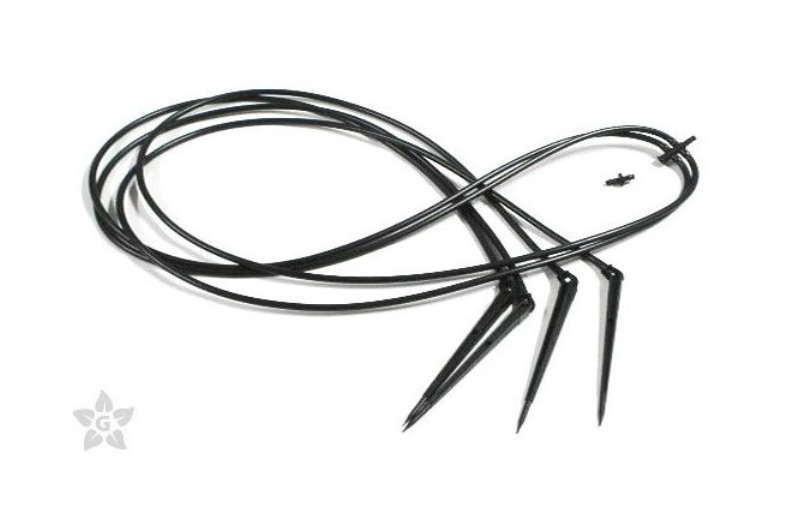
- Water distribution, i.e. the layout of tubing (capillaries and hoses) that are connected to the water source. At the ends of the capillaries the irrigation needles are attached, which are inserted into the soil.
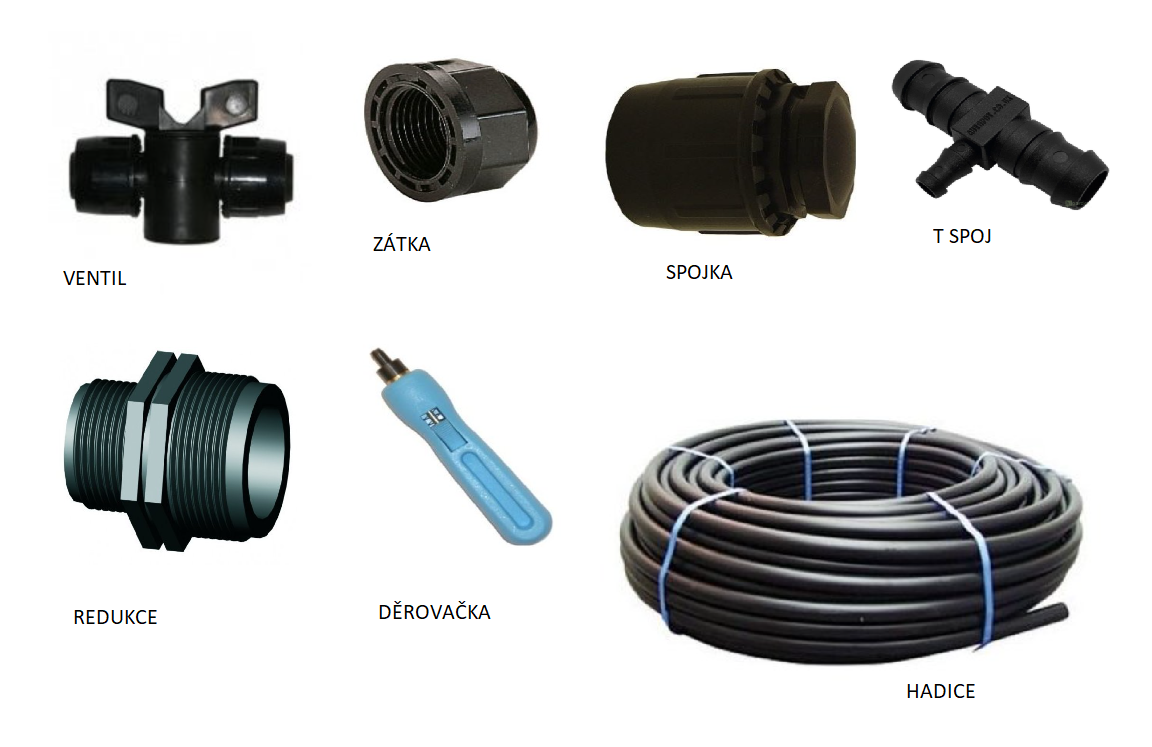
- Reducers, connectors, end caps, valves and various shaping components (couplers, connectors).
 Assembling a drip irrigation system — how to do it?
- When assembling a drip system, the grower’s first task is to lay out the hose around the plants so that it doesn’t cross or tangle, and so water with nutrients, driven from the tank or well by a pump with sufficient flow and head, can flow evenly through the irrigation system.
- Next comes the punch, with which you make holes in the hose at places ideal for irrigation. Besides ordinary punches you can make the job easier with a lever punch. For the smallest drip systems with thin-walled distribution tubing that only needs a few holes, a 3mm punch is sufficient.
- A cutter is used to cut the drip tubing.
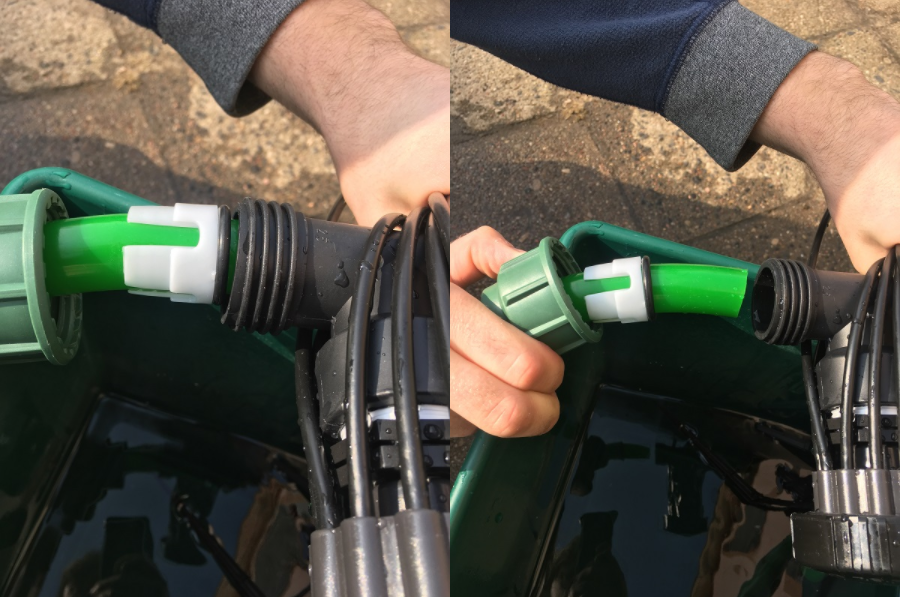
- When making holes, keep in mind that the nutrient solution should be delivered as close to the plant roots as possible. This is enabled by end capillaries. Basic end capillaries are available as capillary needles. Many growers, however, swear by multi-part capillary distributors with end needles (Topspin). Proper connection of the system, as shown in the image, is also crucial. This will prevent leaks of water and precious nutrients. When connecting, pay special attention to correct placement of seals.
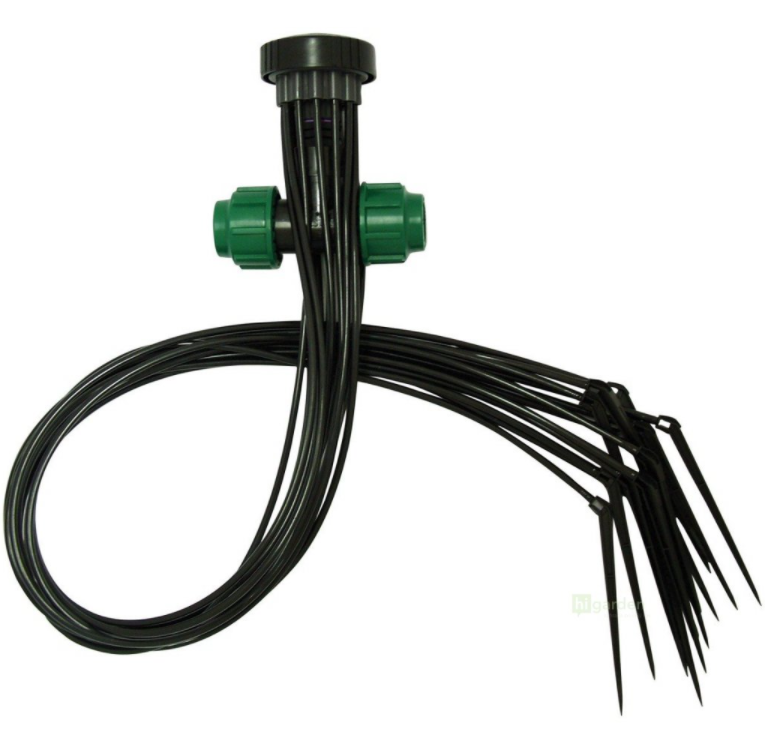
- Because the nutrient solution is delivered under the surface directly into the substrate via capillary needles, subsequent evaporation of the nutrient solution into the air does not occur. High evaporation rates are typical for the long-outdated manual watering, which would consume disproportionately more water each growing cycle compared to when you assemble your own drip system.
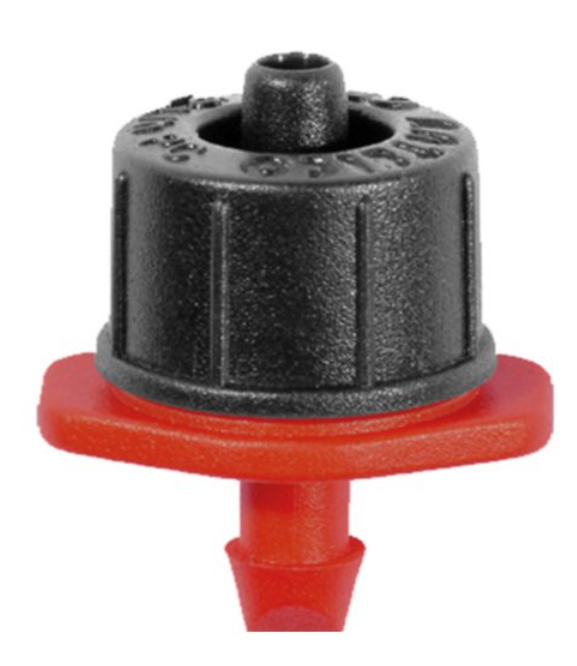
We must not forget what pressurized capillary irrigation means. It is a drip irrigation variant that operates at higher water pressure, specifically from 0.5 bar upwards. This is associated with a greater height of the water column; 0.5 bar is equivalent to a 5 m water column. It pays off for short water runs up to about 2 meters and when irrigating only a few plants. The downside of pressurized drip irrigation is uneven distribution of the nutrient solution to individual plants. In drip systems of this type growers therefore use pressure valves (see image), which will ensure for a few crowns that all plants in the system receive regular feeds of the same intensity, regardless of distance from the water source and regardless of the height of the water column from the pump. Different variants of drippers with pressure valves differ from each other by the amount of feed released per hour. If you choose a pressurized drip system, remember to select a pump with greater head than the starting pressure. If the starting pressure is 0.5 bar, choose a pump whose head is at least 0.6 bar after accounting for the elevation difference within the system.
OUR TIP: When working with a drip system a practical waterproof tape can be useful in many situations.
Automatic drip irrigation
Having a DRIP system is advantageous. But automating it will save you even more time and energy. Especially in summer, automatic irrigation timing is absolutely essential. At the same time you achieve exact intervals and watering frequency according to the current needs or based on the cultivated plant variety.
You can usually complement your drip system with timers, or even more advanced irrigation controllers. This category is clearly dominated by the reliable products of TechGrow:
- Second and interval timer
- Second timer PRO
- Interval timer PRO
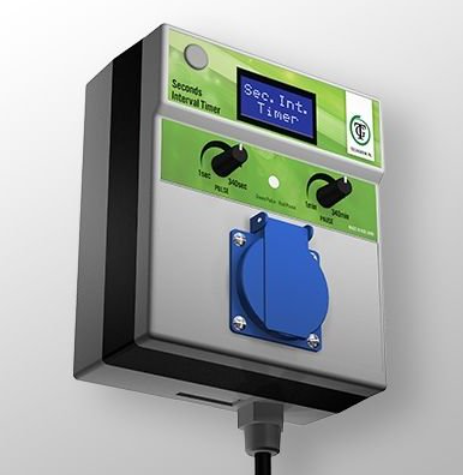
Interval and second timers from TechGrow allow precise irrigation not only in drip systems, but they also work perfectly in flood irrigation systems or in Aero systems.
Gardeners and growers who care for their plants in a greenhouse have also found automatic solar irrigation useful.
Home growers using a grow tent can also use drip for hydroponics, which is perfectly handled on a smaller scale by hydroponic systems such as Atami Wilma.
Experienced growers and professionals will benefit from exploring the automation options provided by GroLab.
A float switch with a gland is also used to automate hydroponic systems: float switch with gland.
Good water and a reliable water source — the absolute foundation of drip irrigation!
Not only for drip irrigation, but also regarding hydroponics in general, whether you grow indoor or outdoor, it is worth thinking about the following question, which is so important it warranted a separate article: What water do you water your plants with? The quality characteristics of water have a huge impact on crop quality and growing results. Clean water free of all sediments is a basic prerequisite for a great yield. Sediments contained in the water will likely clog tubes and cause other problems that will make your hydroponic efforts in the garden, greenhouse, or inside a grow tent ineffective. Likewise, if the water source you use for irrigation is contaminated in any way, water treatment and filtration are required.
Water treatment is carried out in cultivation practice at several levels:
- pH adjustment.
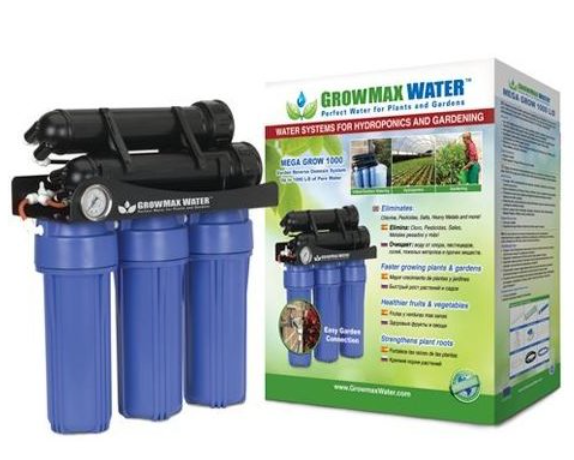
- Reverse osmosis (RO) is the most effective solution to deal with practically all organic and inorganic impurities. We again recommend the separate article on this topic. Advanced reverse osmosis units can even perform total deionization of water, which is of course the ideal state.
- Water filters. If your feed is based on tap water from a municipal source, which often contains chlorine in amounts that are very harmful to plants, a carbon water filter also helps. A mechanical filter catches larger sediments. The Irritec inline water filter is suitable for any water system. For drip systems a safety filter with push-fit connectors is intended, and both components are often an important part of the water distribution (see above). Where there are large elevation differences between the tank and the pots, it is advisable to use a check valve or non-return valve.
What to watch out for when it comes to drip?
Although drip irrigation has no outright disadvantages, the experience of countless growers should be sufficient reason to keep the following practical observations in mind:
- If your drip system is outdoors in the garden, it is often exposed to “attacks” by rodents or other pests, or it commonly attracts unwanted interest from household pets. Therefore, and not only for that reason, check your drip system along its entire length from time to time to make sure everything is as it should be and that no damage has occurred. You can avoid damage in part by ensuring no sharp objects are near the hoses and the hoses do not run over sharp edges.
- Nutrient solution literally means water with dissolved fertilizers. And this is why regular maintenance of your drip system is important before the start of each growing cycle. It’s enough to thoroughly flush the distribution lines using products such as OxyPlus or FlashClean (formerly G.H. FloraKleen).
- Nutrient coverage: drain and flush.
If you want to ask us anything about drip irrigation, we are here for you at the usual e-mail address info@higarden.cz and look forward to your questions. We will gladly advise you on selecting specific products for an efficient and reliable drip system.
We also recommend these products:
- BioNova Boost Pack
- Atami Wilma hydroponic systems
- MAXQUARIUM reverse osmosis unit
What to read next?
- Hydroponics – what it involves and how to start?
- Hydroponics made easy: NFT
- Hydroponics made easy: EBB & FLOW