
How to start growing plants at home?
Growing comfortably at home has never been easier. A wide selection of growing supplies makes indoor cultivation an accessible hobby with a range of benefits. You have absolute control over the entire process, allowing you to provide plants with ideal conditions and environment. Compared to a classic garden, you also don’t have to worry as much about external influences or pests. Are you looking forward to the first harvest but don’t yet know where to start? This guide will help you take the first steps so you can soon reap your first growing successes.
Become a gardener in your own house or apartment and grow whatever you like! What questions should you ask yourself before you start?
Remember that everything is connected. When you grow yourself, you have unique control over the whole process, whether it’s the source of seeds, the quality of fertilizer or the ideal light and temperature conditions for a perfect result.
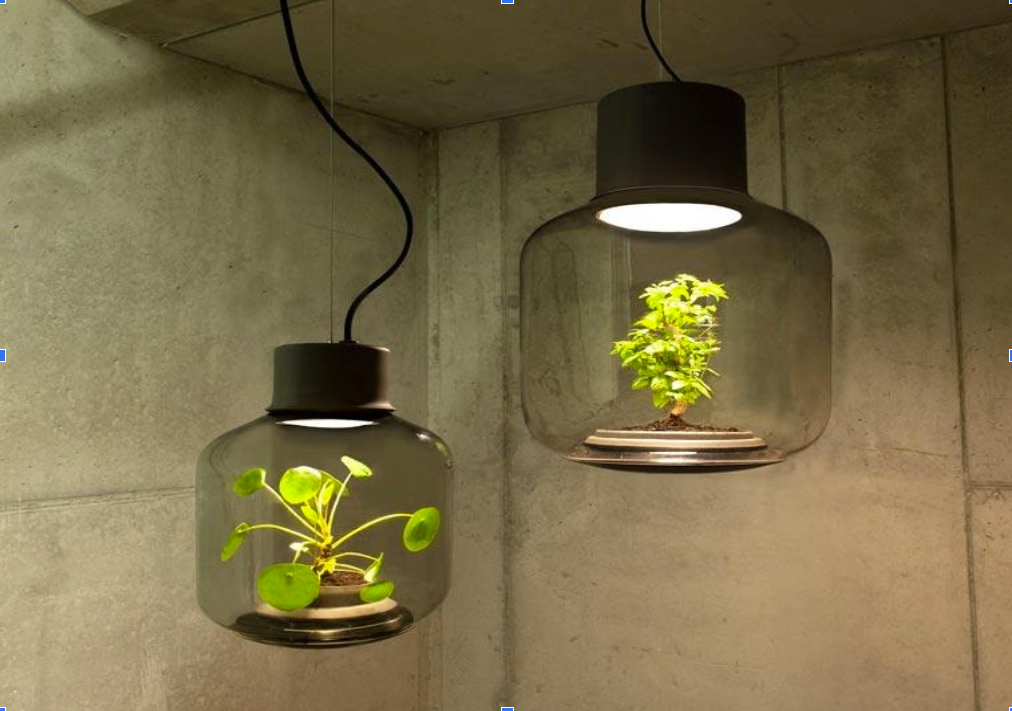
- What will you grow and how much do you want?
There are many options. Let’s start in order of growth, that is, from the bottom up...<
An ideal choice for beginners are various small herbs (microgreens). Make sure you have a natural source of vitamins and other beneficial substances at home. Growing small herbs, such as the popular basil, is really simple and gives you the chance to learn basic procedures associated with home cultivation. It is easy to start growing annual herbs as well as perennials. Home-grown ornamental plants, for example an orchid, will look great and with proper care will reliably outperform pieces from a florist.
The freshest small fruit and vegetables can be produced right in your home. Grow juicy strawberries or bushy plants full of popular chili peppers or tomatoes. Broccoli, celery, home cucumbers — what will it be? It’s up to you. Grow boxes also allow, among other things, overwintering of tropical plants.
2. "I have a small tent..." or What will you use to grow?
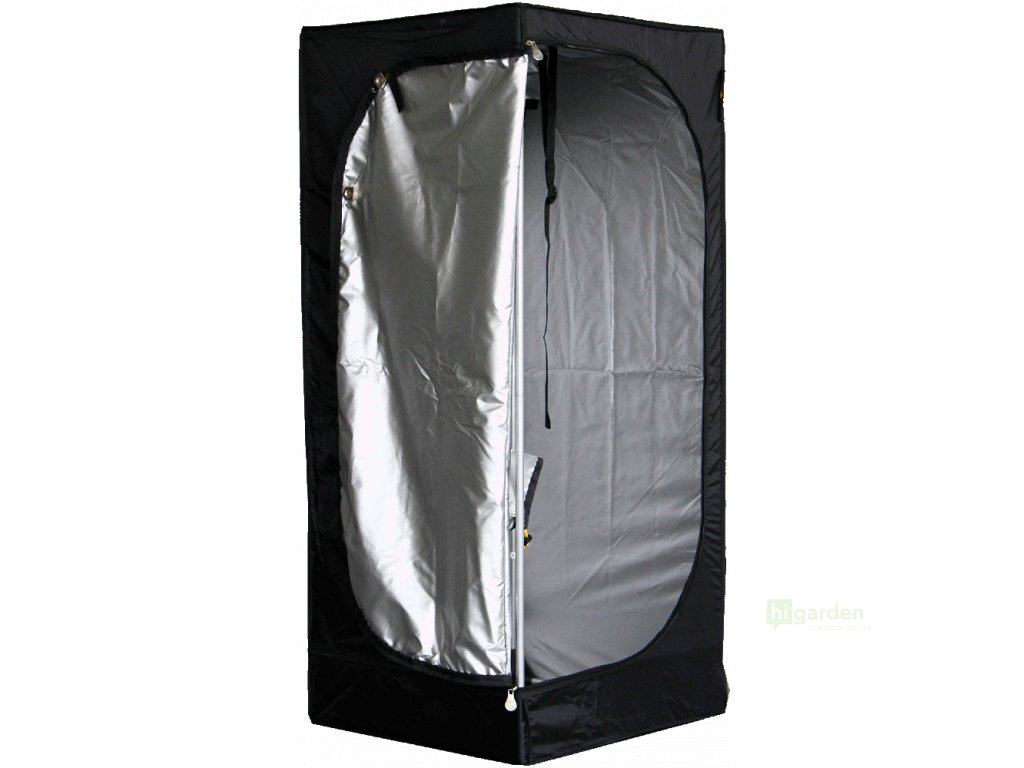
Perfect conditions are provided by a suitable grow box, i.e. a grow tent, and its dimensions are the first thing every beginning grower needs to define. So if you already have an idea of what you intend to plant and roughly how much, you will choose an appropriate size. It’s important to remember a simple equation: amount of area – amount of light. Of course, you can’t go wrong if you consult with us just to be sure.
- Propagators are boxes for growing or propagating smaller plants, often in several tiers. You can use them to germinate various seeds or for pre-growing seedlings. If you need to do this on a larger scale, there is a novelty in the form of the XL propagator.
- If you currently plan only a few plastic or fabric pots, small grow tents with an area up to 1 m² are available, usually under two meters in height.
- A larger number of pots and common hydroponic systems are covered by medium-sized grow boxes, suitable for both beginner and much more experienced growers.
- A larger number of pots and common hydroponic systems are covered by medium-sized grow boxes, suitable for both beginner and much more experienced growers.
- Large tents with an area over 3 m² already replace a traditional greenhouse or even more and are intended for very productive experienced growers. We recommend choosing a purely economical or a golden middle way at the start. It depends on your means and ambitions.
Once you open our offer, you will find that it contains grow tents, differing not only in size but also in other important parameters. Let us now present the list of the most important ones that you will use to make your selection:
- Structure and shape: product structures are highly variable; the most demanded floor plan for tents is square, but if the interior requires it, there are also boxes with a rectangular floor plan. A grow box most often has the shape of a cuboid, but there are also tents in the shape of a triangle, which are particularly suitable for a corner of a room. If you plan to garden in an attic, get a grow box that has a sloped roof.
- Material quality: grow boxes from different manufacturers vary in build quality and especially by price they differ in the treatment of joints, zippers and the whole construction. A separate chapter is the outer shell. A primary indicator of material quality is generally its ability to reflect light. In this discipline, for example, grow tents from the Homebox Ambient series excel. The durability and lifespan of the material of course depend in part on you. Even a cheaper option will last several years with careful handling. On the other hand, if you have a long-term plan and know that you won’t stop enjoying growing after a while, investing in premium products always pays off in the end. This applies at any scale.
TIP to get you started: If you choose one of the pre-assembled value kits, you don’t have to worry about selecting accessories individually, which will be discussed in other sections of this article. The equipment must also correlate with the choice of the tent itself, which always has specific outlets, openings or ventilation flaps, since you will regulate optimal temperature, humidity or even carbon dioxide levels. Everything must fit so the whole system works long-term as it should, so at the start you can focus only on which complete kit you choose and be done. For all other cases we are of course here for you, ready to advise.
3. Let there be light! What will you use for supplementary lighting?
To be able to enjoy the wonders of nature in the warmth of your home and congratulate yourself on the first harvest, the choice of lighting necessary for proper plant development will also play a key role. That’s why we prepared a separate article on this topic, where you will find detailed information about how and with what to illuminate plants.
4. Plants need to breathe — how to choose ventilation?
We mentioned that indoor cultivation allows you to provide plants with optimal conditions. The most important of these are temperature and air humidity inside the tent. To be able to effectively regulate these values, the box needs at least basic ventilation equipment. Fans, carbon filters and other gadgets are therefore essential. Thanks to noise dampers you can make the grow box a beloved but quiet companion in the household. Odor neutralization will let the room breathe as comfortably as the plants...
5. What to fertilize with and what not to?
Fertilizers, which are necessary for successful cultivation because of their nutrient content, come in many types. They can be natural or synthetic. At the beginning it’s best to clarify things using an article that focuses precisely on basic fertilizers suitable for starting.
6. How to protect plants against pests and diseases?
You can find inspiration here. It’s good that you’re starting with indoor cultivation — pests may bother you less than in an outdoor garden, but basic protection equipment will come in handy.
7. And what exactly is hydroponics?
A great and sophisticated method. It deserves a separate article. In it you will read everything you need to know to get started.
As in all areas of life, practice makes perfect in cultivation. Growing is a wonderful activity and you will constantly discover new horizons and ways to work effectively. Before that, however, you should be clear on the basics so you enjoy it from the very beginning. If something remained unanswered by this guide, do not hesitate to contact us so you can be certain in your choices. We wish that the coming cold months take on a new dimension thanks to the living plants you grow at home!
- Growboxes (grow tents)
- LED sets
- Propagators
- HID lamps
- Hydroponic systems
- Fertilizers
- Substrates