
How to manage plant diseases?
Today we'll go over the most common plant diseases that can affect plants. But don't be alarmed — thanks to proven products you don't have to worry so much about various ailments and your herbs will remain vital!
Plant diseases can be divided by origin into three categories: fungal, bacterial and viral. Fungal plant diseases, which generally thrive in damp, warm and dark conditions, are called molds and — unlike bacterial and viral plant diseases — can usually be safely identified on the plants.
First, let's cover what to do to keep your herbs healthy. We believe that the individual types of the most common plant diseases and the treatment options we discuss below will make these issues far less relevant for your crop.
PREVENTION — PROPER CARE OF THE PLANT ENVIRONMENT
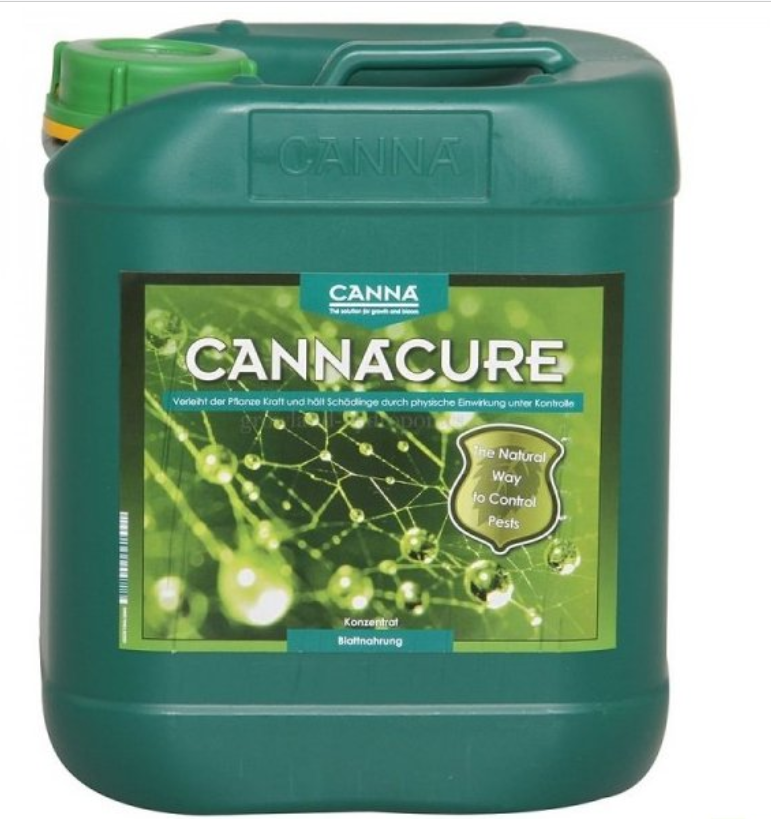
- Preventive spray. We recommend using Canna CURE, a 100% BIO foliar spray for the entire cultivation cycle, notable for its unique composition that helps you keep your crop under control. Apply to the leaves on both sides and your plants will gain extraordinary resistance and much better withstand pests, molds and other threats. This lets them fully focus on vigorous growth and abundant flowering! Therefore, the larger and more economical the packaging (the most economical option is shown in the image above), the better. This product is truly handy to have and is useful for both indoor and outdoor growing.
- A healthy watering routine. Not too much, not too little. Keep an eye on whether your plants are actually dry and avoid beginner mistakes like overwatering and overfeeding. Too wet or even muddy substrate provides an ideal environment for molds and other diseases. Also remember to check the pH, both in the growing medium and in the nutrient solution.
- Optimal climate. Get reliable devices for measuring temperature and humidity. Add a fan to ensure constant air circulation in the grow area. Generally, most plant species prefer daytime temperatures of 24–27 °C and nighttime temperatures of 21–25 °C. Temperatures should definitely not drop below 18 °C. Relative humidity should be in the range of 40–50%. The tricky part for any grower in the fight against molds is that this relatively high relative humidity suits both the plants and the fungal diseases. Fortunately there's a way out of the vicious circle: reduce humidity in the grow room during the night, because molds, unlike plants, prefer darkness to thrive. Since humidity is naturally higher at night than during the day, an effective dehumidifier might be useful.
- Germicidal light. This accessible high-tech tool addresses all three disease types mentioned above. Just monitor the irradiation time (once a day for 2–5 seconds for indoor and 5–10 seconds for outdoor) and don’t forget to put on protective glasses and gloves before use. A quality germicidal lamp will then eliminate mold spores, bacteria and viruses.
NUTRIENT IMBALANCE VS. DISEASES
Symptoms of plant disease are often confusing, and growers sometimes worry about various diseases in situations that are actually just a nutrient imbalance. What does that mean? If a plant has a nutrient imbalance, it is either undernourished or dealing with an excess of nutrients (overfeeding).
The symptoms are similar, primarily spots on the leaves. How do you tell them apart and distinguish a nutrition error from signs of disease?
- Disease spots have an irregular shape and usually appear on the leaf surfaces, gradually yellowing or browning from the center outward.
- Spots indicating a nutrient imbalance typically occur on the edges of the leaves and spread inward, either from the margins or from the veins. They are usually accompanied by leaf curling.
MOST COMMON PLANT DISEASES
- Gray mold (Botrytis cinerea) is one of the most common fungal plant diseases. Between the second and third week of the flowering phase you should pay extra attention to the petals. Their wilting and browning reliably indicate the presence of this mold. A single dry petal can be enough to slightly open the whole flower and reveal a focal point of gray mold inside. If that focal point is not removed after this 'signal' from the petals, the mold can spread very quickly until you see a gray‑white fuzzy spot. You can avoid this unpleasant scenario with effective prevention!
Our TIP: Canna CURE spray represents an absolute basic measure when combined with the proper growing environment described above, and it also serves as a universal prevention against many pests.
- Algae are another complication that affects growers, especially in hydroponics. Algae need light and nutrients to thrive, and hydroponic systems are a frequent refuge for them. It's therefore important to prevent them by cleaning and water filtration. Common solutions are mechanical cleaning, the use of hydrogen peroxide at concentrations of 0.5–1%, or germicidal lights.
- Powdery mildew is recognized by white spots on the leaves of plants about 2–3 weeks old. They occur in large numbers and look like a white powder that you might think can be wiped off. Unfortunately, that's not the case. As with gray mold, quality prevention is essential.
- Pythium and Phytophthora. Perhaps the best known representative of these groups is the potato blight (Phytophthora infestans). For prevention and treatment of these common fungal diseases, preparations containing the beneficial mycorrhizal fungus Trichoderma, which can form its own colony, have proven very effective — they significantly support the plant and act as a shield against other fungal microorganisms. We recommend using products containing Trichoderma for effective prevention together with the Canna CURE spray. If you need to treat an infected plant, reach for contact preparations based on copper. After treatment you can follow up with a quality root stimulator or again use the powerful action of Canna CURE.
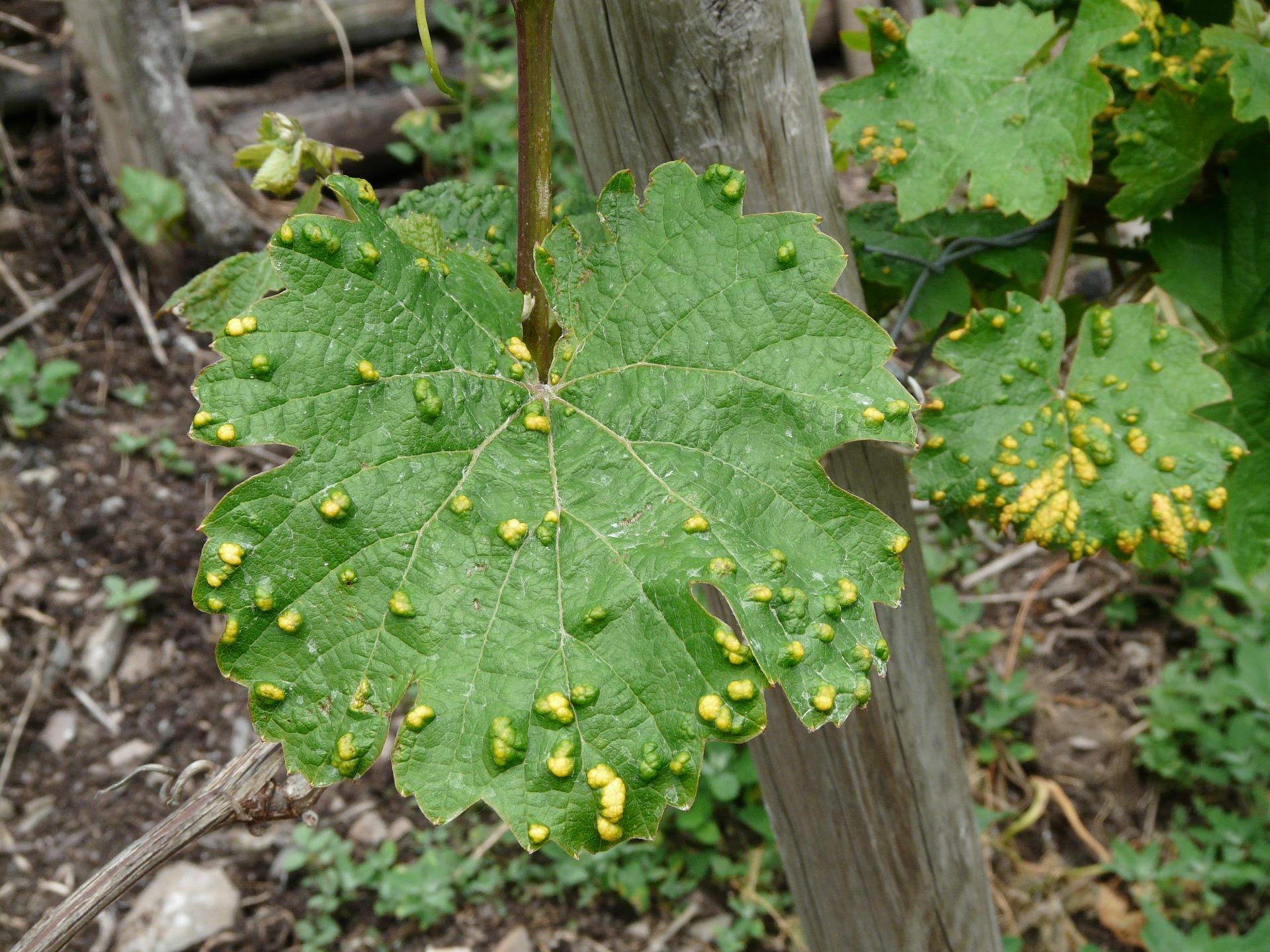
If your crop is infected with mold or another disease, after successful treatment you can consider an early harvest to save what you can. However, if you don't neglect prevention and pay attention to the correct growing environment, you'll likely face the opposite 'problem': Where to store a large harvest? Molds are also ready to attack harvested produce during drying or improper storage.
We recommend these products:
- Canna CURE spray (from 349 Kč) is a perfect prevention! It controls plant pests and seedling blight thanks to its ecological physical properties and also supplies nutrients through the leaves, keeping plants continuously in proper condition.
- KOMPLET UV-C germicidní svítidlo (2 199 Kč) for uncompromising disinfection and sterilization at a promotional price.
- T.A. Trikologic (from 139 Kč) contains the mycorrhizal fungus Trichoderma.
What to read next?
- How to improve soil properties?
- How to store your harvest correctly?
- Growing under artificial lighting: HPS vs. LED
If you have any questions about prevention or treatment of plant diseases, do not hesitate to contact us at the usual address info@higarden.cz.