
How to Increase Terpene Content in the Harvest?
In today’s article we will focus on how to fully exploit the potential of cultivating aromatic and medicinal species of plants — fragrant herbs such as lavender, but also citrus fruits. You will learn how to make your harvest characterized by an exceptionally intense aroma once and for all. And as the title suggests, above all it is necessary to maximize the amount of contained terpenes, responsible not only for pleasant scent but also for beneficial effects on our physical and psychological well‑being.
It is precisely terpenes — specific organic compounds — that give individual plants their unmistakable aroma. It’s simple: the more terpenes, the more intoxicating the aroma you can expect. Beautiful, healthy plants should pleasantly astonish every grower with a strong natural scent, so now we will explain everything essential related to achieving a high terpene content in every harvest.
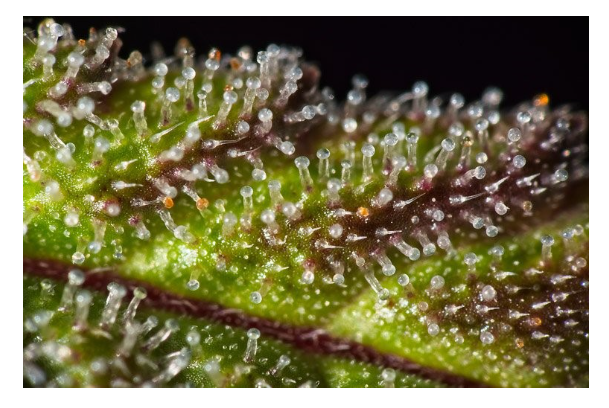
There are tens of thousands of these volatile substances, formed in trichomes on the surface of plant leaves, and each terpene has its own unique aroma. And because nature is a master of alchemy, when we smell a specific plant the scent we perceive represents a combination of the terpenes that are dominant at that moment. As you will see in the following lines, aroma is not the only reason to aim for the highest possible terpene content with each harvest. Here are at least the most significant examples:
- Limonene: we mentioned citrus fruits at the beginning of the article, and it is limonene that is responsible for their fresh scent. This compound has also been associated with numerous health benefits, including anti‑inflammatory, antioxidant, and anti‑stress properties.
- Myrcene: common in lemon grass, mango, thyme or hops. Myrcene is so prevalent that small amounts are even added to beer.
- Pinene: this terpene with a spicy, forest‑like scent is well known to herbalists, who have long used its beneficial effects as part of treatments for inflammation or respiratory issues. Pinene is abundant for example in conifers, oranges, rosemary, dill or parsley.
- Beta‑caryophyllene: the spicy, woody aroma of this terpene is most famous from cloves. It is no coincidence that cloves are often used in herbal medicine to address painful tooth conditions. Beta‑caryophyllene reduces pain by contributing to the release of analgesic endorphins in the body and also suppresses the psychological component of perceived pain. Besides cloves, it can be found in black pepper or basil.
- Eucalyptol: a notable amount of this terpene is found not only in eucalyptus but also in sage, wormwood, bay leaf, or cardamom.
- Nerolidol: the woody, earthy scent of this terpene is easiest to compare to fresh tree bark. Nerolidol occurs in ginger, jasmine, melaleuca, lavender, lemon grass, eucalyptus, basil, black and green tea, cardamom, stevia, tarragon, lemon verbena, thyme, or star anise. Interestingly, numerous studies point to possible anti‑inflammatory and neuroprotective effects of this terpene, and in nature it also plays a protective role against being eaten by certain herbivores.
After introducing some of the best‑known and most useful aromatic terpenes, we can move on to methods that allow growers to maximally support their levels in the final harvest.
Key factors affecting terpene content in the harvest
- Careful selection of variety
You should take into account that the presence and composition of valuable terpenes in a harvest are largely influenced by the genetic predispositions of the chosen variety. The genetics of a variety or its phenotype literally determine which terpene will dominate the profile and which may not be present at all. So if, for example, when cultivating medicinal herbs you expect certain health‑related properties, it is important to investigate the genetics in relation to dominant terpenes in advance and choose the variety accordingly, then give it proper care when growing in a growbox, greenhouse, or garden.
- Optimal growing conditions
This point should come as no surprise: if you provide your plants with a stable and favorable microclimate, they will reward you with a high production of valuable aromatic compounds. This is easiest to achieve in a grow tent, and you can enjoy terpene‑rich harvests several times a year (see, for example, the separate article: Choosing your first tent with everything included).
OUR TIP: Discover modern growboxes Garden Highpro!
You should also avoid degrading already produced terpenes due to unsuitable growing conditions, which would be a real shame and would significantly affect the final quality and value of your harvest. Therefore, be sure to monitor insufficient humidity or excessively high temperatures. The most critical period in this respect is the late flowering stage. By that point the plants have usually produced most terpenes, and because terpenes are volatile substances, you must do everything possible as a grower to protect ripening plants from high temperatures — whether growing outdoors during hot summer months or indoors, where quality ventilation can help provide optimal conditions year‑round for development.
- Spectrum and intensity of the light source
Light has a huge impact on terpene production. Whether it’s grow lights or the sun, plants need truly usable light to draw energy for key biochemical processes that produce terpenes.
On the other hand, it’s important to stress that you will not support the desired aromatic compound content at all if you overdo the intensity of light falling on your plants. Excessive light intensity causes so‑called bleaching of flowers, and you can almost say goodbye to terpenes in that case.
We are happy to advise you on choosing a suitable grow light for a growbox, or you can opt for a tuned complete growbox set. We have also prepared separate articles on this topic for you:
- Growing under artificial lighting: HPS vs. LED
- How high above the plant tops should you hang the light?
The experience of professional growers around the world also clearly shows that the overall terpene content in plants can be effectively increased by exposure to the ultraviolet light spectrum UV‑A and UV‑B. This spectrum is not present in standard grow lights, which is why there are supplementary light sources created specifically for this purpose (see the separate article: How to use UV radiation in indoor growing?).
Some growers have also wondered why plants grown outdoors under natural sunlight tend to show significantly higher terpene levels than those grown in a greenhouse or polytunnel. This is because the sun emits ultraviolet radiation, but films and polycarbonates used in greenhouses filter it out to extend the life of the material before it reaches the plants.
- Timing of harvest
We already mentioned that most terpenes are found in plants during the later flowering stages. The ratio and amount of terpenes change as plants ripen, so harvesting at the right moment is key to the best possible results. Even beginners will understand that under‑ripe flowers have not yet reached their full terpene potential, while terpenes in over‑ripe flowers or fruits gradually degrade. Before you decide to harvest, if possible consult a more experienced grower — over time you will learn to recognize the perfect moment for a terpene‑rich harvest yourself.
- Overall plant health
If your plants are attacked by pests or diseases, terpene production will drop sharply. That’s why prevention should not be underestimated. We have also prepared the following separate articles for you:
- How to deal with pests?
- How to deal with plant diseases?
- Proper plant nutrition
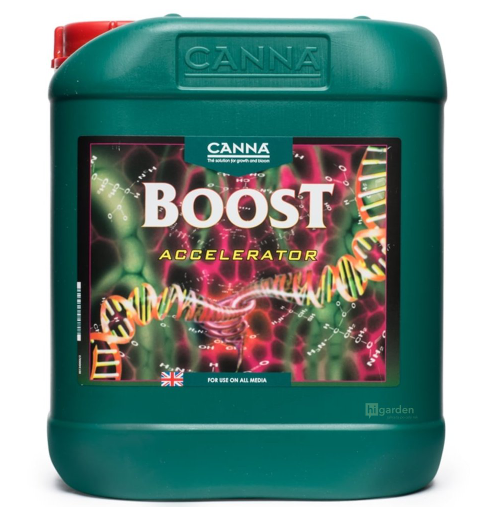
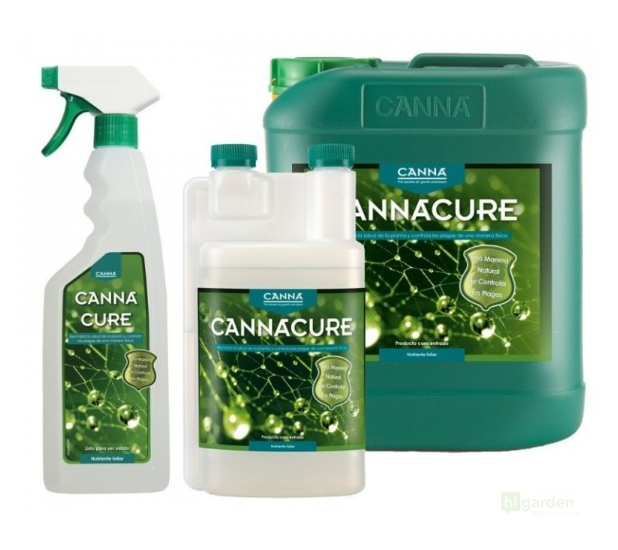
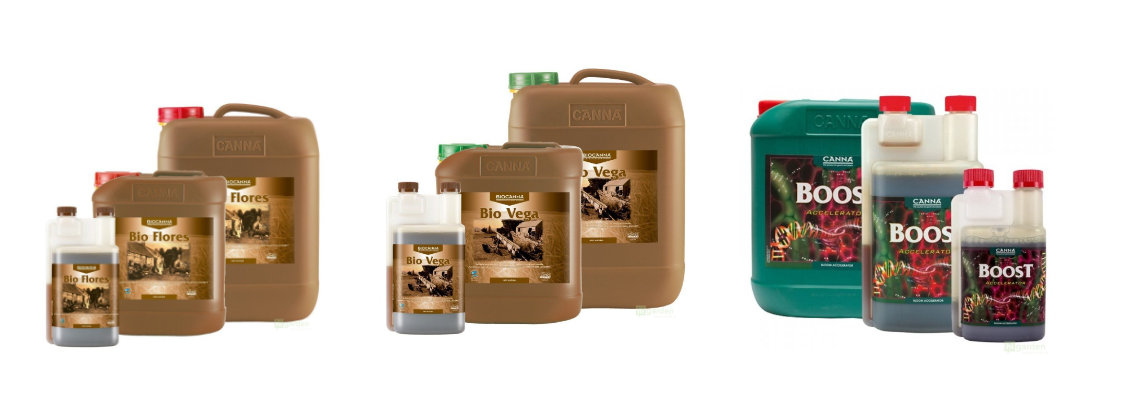
There are many proven fertilizers and stimulators in our e-shop that can maximize the content of aromatic and health‑promoting compounds in cultivated plants. Higher levels of aromatic compounds and sugars in the final harvest are promoted, for example, by the popular organická hnojiva BIOCANNA, which — unlike mineral fertilizers — contain a wide spectrum of various plant substances produced during organic cultivation as a result of the activity of beneficial microorganisms in the root zone. In addition to the basic organic fertilizers Canna BIO Vega (100% organic growth fertilizer) and Canna BIO Flores (100% organic bloom fertilizer), a similar principle is used by the additive CANNABOOST Accelerator, which significantly stimulates and accelerates plant metabolism. In addition to boosting photosynthetic activity, it also contains plant regulators that ensure higher yields and better taste and aroma of the final crop. It is a strong stimulator that will increase the concentration of aromatic terpenes as much as possible!
If you would like to ask us about other quality fertilizers and supplements that will raise the terpene concentration in your harvest to the maximum and thereby increase the overall value of your crop, or if you have any other questions, feel free to contact us at the well‑known e‑mail address info@higarden.cz.
We also recommend these products:
- LED Set 720W Lumii Black
- Clip fan PF 15cm 15W 2 speeds
- Plant Success Mycorrhizae Great White Granular 1
Further reading:
- Aqua Master Tools — digital measuring instruments from the Netherlands
- BIOTABS – organic fertilizers and soil additives
- Beneficial microorganisms (microbes) are indispensable helpers for achieving a healthy and abundant harvest