
How to identify quality seeds?
The seed, standing at the beginning of every plant's story, is practically a sleeping organism waiting to be awakened. How can you recognize the quality and condition of the seeds you have stored at home or have just bought? And what is the likelihood that they will produce a beautiful and healthy plant?
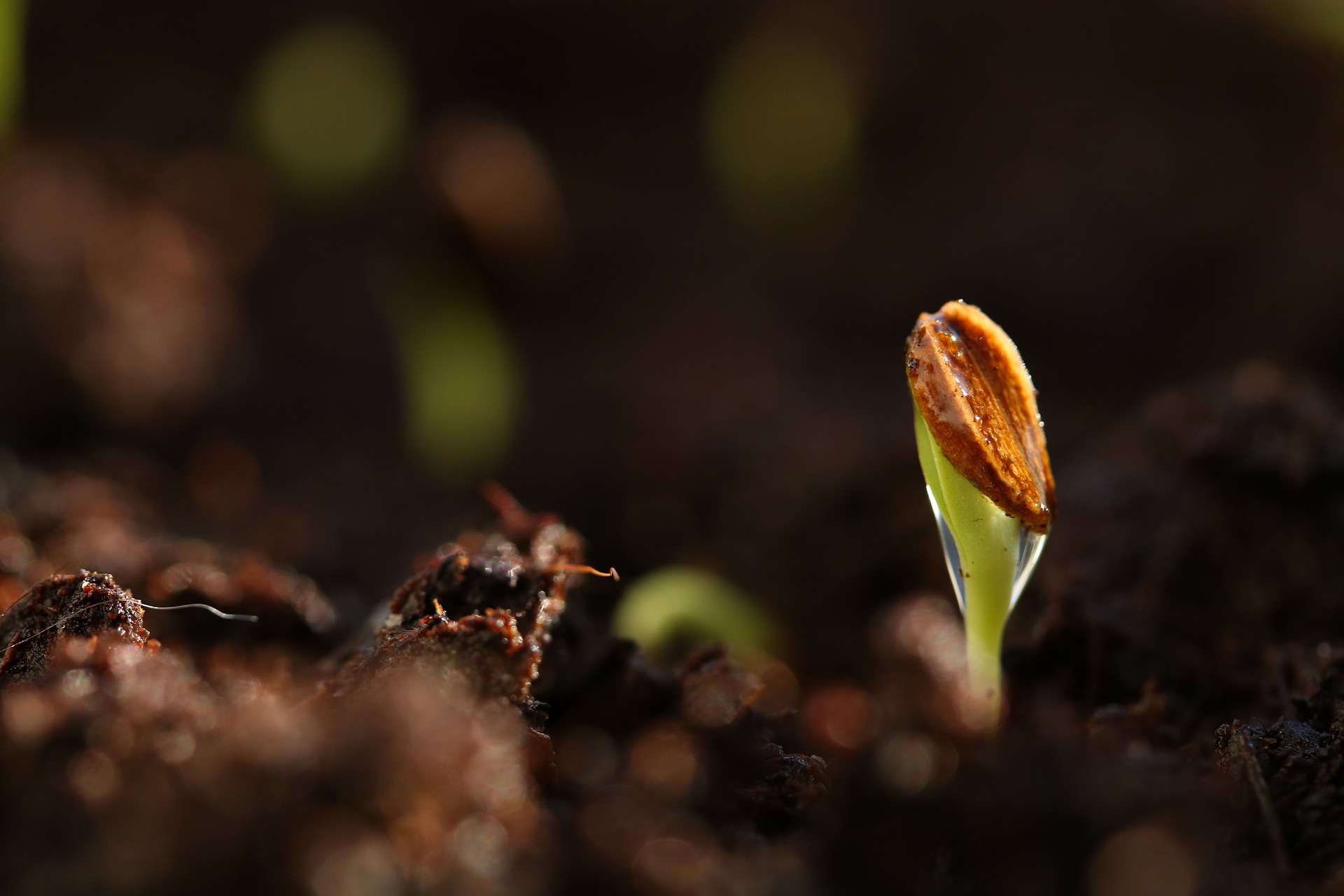
- The fact is that a grower cannot answer these questions about smaller seeds — the basis of most plants commonly grown in a grow box — by sight alone. Even a magnifying glass won't be enough. Touch won't reveal what we'd like to know either. The exception is really large seeds, such as those of pumpkins, where you can feel their fullness.
- Growers' experience speaks clearly. The only proven way to predict a seed's condition and thus the potential of the future plant is to store seeds in an optimal environment and do everything to keep them in good condition.
- The word "germination rate" is undoubtedly one of the most frequently used terms in the gardening world and expresses a seed's ability to produce a sprout. Most seed producers (seedbanks) guarantee germination to some extent, primarily by the expiration date often printed on the packaging.
- If you've found seeds you'd like to try after their expiry date, don't despair — give it a try. It commonly happens that seeds past the expiration date printed on the package will still germinate without problems.
- That said, a simple rule applies to all seeds: the older they are, the more difficult it is for them to emerge.
- You support germination best by proper storage. For this purpose, vacuum containers TightVac work excellently, and you can also use them later for preserving your harvest.
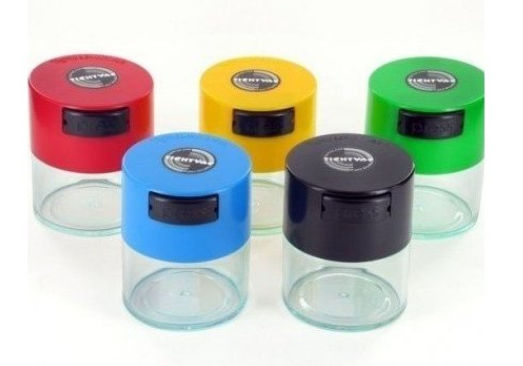
- Conditions for flawless seed storage can be summarized in three points:
- Darkness
- Coolness
- Absence of moisture
- Finding a dark place with consistently lower temperatures but without any humidity can sometimes be tricky. A cellar often offers darkness and coolness, but it usually also has some moisture. Some growers store seeds in the refrigerator, placing emphasis on thoroughly sealing the container.
- Seeds stored under vacuum represent a considerable assurance of quality and an increased chance of successful germination.
- No matter what we do, some seeds' lifespans cannot be extended much even with perfect storage. For example, onion seeds, which are very small, lose germinability within the first year.
- On the other hand, these are examples of seeds worth taking good care of, because if stored under the right conditions (see above), they can retain a high germination rate for a very long time:
- Cucumber
- Pumpkin
- Zucchini
- Tomato
- Brassica vegetables
- The term GERMINATION RATE is also related to the widely used germination test among growers. What does this control method involve and what is it good for? The germination test allows you to quickly get a clearer idea of the seeds' condition and how many to sow so that you later harvest the planned amount of mature flowers adorning vital adult plants. The procedure is as follows:
- Stack several clean paper towels (kitchen towels, napkins, paper tissues, toilet paper, etc.) on top of each other.
- Place the test seeds on them. The larger the sample the better. Ideally at least 10.
- Cover the seeds with the top paper layer (see above) and moisten the surface ideally using a fine spray bottle. The water should not be freshly taken straight from the tap. If you only have tap water available, let it stand for at least one day before putting it into the spray bottle.
- Remember that seeds should definitely not float in water, otherwise they could "drown" and begin to rot instead of germinate.
- Once the seeds are prepared like this, cover them with any glass or plastic bowl and move them from a cooler environment to one with a temperature of 18–20 °C.
- Now simply keep the towels moist (not wet!) by lightly spraying water.
- Everything you can learn about the seeds from a grower's perspective will show during the following days or weeks. It depends on how long it takes the seeds to "wake up" from dormancy.
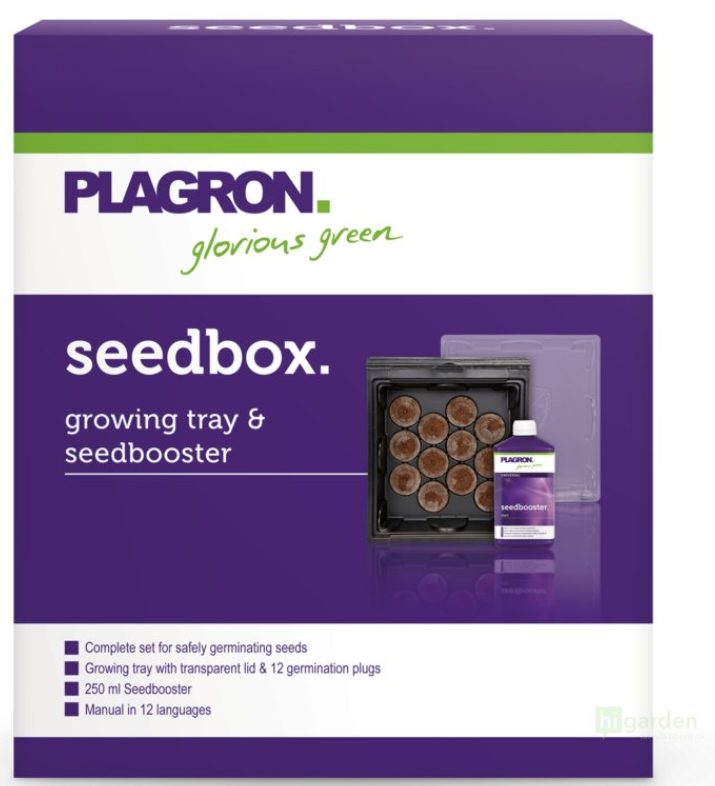
OUR TIP: Get the complete Plagron Seedbox at a special price — it contains everything needed for successful germination of 12 seeds, from a small propagator and seedling tablets to the highly effective Seedbooster for quick rooting. A perfect kit for all beginners, we recommend it!
- A separate topic worth noting at the end is seed dressing. Sometimes this is done using chemicals intended to protect seeds from pests or molds. Chemically dressed seeds are recognizable by their conspicuous coloration.
- We recommend choosing seeds that are dressed biologically. You can manage the whole process yourself. Proven natural methods for seed dressing include extracts of chamomile, agrimony, or yarrow — easily available herbs with significant disinfecting effects.
- Also use the power of nettle and horsetail. These plants have a strengthening effect on the emerging seedling and support its growth.
- There are no limits to combining the herbs mentioned to strengthen seeds. The more you strengthen them, the better the results of testing and subsequent germination of all seeds you decide to sow, whether without testing or after performing and evaluating the test.
If you have any questions about MICROGREENS, we will gladly answer them at the usual address info@higarden.cz.
We also recommend these products:
- PLAGRON Seedbboster plus 10 ml (499 Kč)
- B.A.C. X-Seed cup, 10 g (249 Kč)
- Tlakový postřikovač PROPUMP, 2l (249 Kč)
What to read next?
- Indoor cultivation of plants and related savings
- Growing in soil: advantages and disadvantages
- Designer grow tents HOMEbox Ambient combine the pleasant with the useful