
How to grow leafy vegetables and salad greens?
With the arrival of summer, growing your own honest leafy greens in the garden or in a growbox has many advantages for every grower. Growing leafy vegetables is not difficult and takes less time than cultivating field crops. It is an ideal way to try low-effort gardening for the first time and immediately benefit, whether on the plate or in a salad bowl, or later in the form of health benefits. In short, it’s high time to recall not only the reasons but also the basic prerequisites for a successful leafy vegetable harvest. Read how to easily grow a juicy vitamin-packed crop this year.
What are the specifics of growing leafy vegetables?
- Leafy vegetables in general — a term that covers many species, some of the healthiest of which we list a bit further down — represent a rich natural cocktail packed with vitamins, minerals and antioxidants. It would be a shame not to use quality organic fertilizers that help you achieve a fresh harvest in harmony with nature and with regard for the environment. The result is a purely natural composition without a trace of chemicals and an intense, authentic taste. Interested in the best biological fertilizers? Try, for example, 100% natural fertilizers from the brand BIOCANNA. There is no single definitive answer, but the following articles will definitely help you get started:
- BioNova Veganics – fertilizers not just for vegans
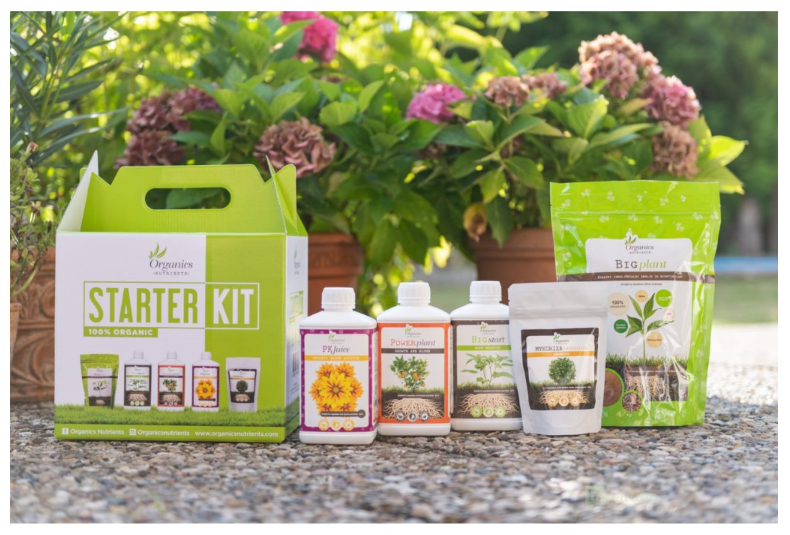
- Organics Nutrients - naturally to high yields
OUR TIP: Discounted kits for the first harvest are the best way to get to know a manufacturer's plant nutrition within a single growing cycle. Here are a few examples:
- BioCanna Starter Kit
- BioNova Hobby pack Veganics
- Organics Nutrients Starter Kit
- BioBizz Starters Pack
- Because in the vast majority of cases only the leaves are harvested, you as a grower save a lot of time — unlike with other crops, you don’t have to wait for fruits to ripen.
- Leafy vegetables need regular, nutrient-rich watering applied to the substrate rather than the leaves and crowns. A nutrient-rich feed means water with quality fertilizers dissolved at sufficient concentration — not an excessive volume of water. Water leafy vegetables more frequently but with smaller amounts. Apart from regular watering and sufficiently enriched soil, leafy vegetables place no special demands on the grower, which is why we mentioned at the start that they are a great opportunity for beginners. Leafy vegetables are ideal for beginners!
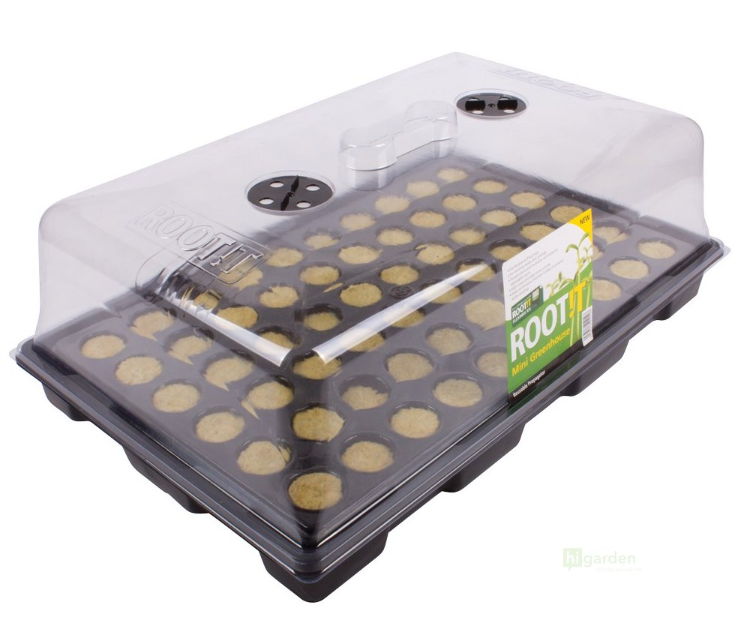
- Thanks to a short growing cycle you don’t even need a greenhouse. Leafy greens prefer cooler air and some varieties can be grown year-round. If possible, plant leafy vegetables in partial shade and avoid overly acidic soil. If you want to be sure, you can use tools for measuring pH.
- The edible parts of leafy vegetables are the leaves or sometimes stems, most often eaten raw. In this form they contain the most beneficial substances for health, which again highlights the value of harvesting in BIO quality.
- All types of leafy vegetables are very low in calories, which is why fresh salads are often a staple of weight-loss diets.
- So it does not sound overly rosy for growers — beginners should note that leafy vegetables grown outdoor often face invasions of various pests. To keep slugs from nibbling leaves before you do, we recommend the proven natural pest spray Canna CURE. You can also read a dedicated article: How to deal with pests?
- If you have no experience with growing leafy vegetables yet, remember that they mature quickly and are hard to store. Plan your sowing schedule sensibly.
Now let’s summarize the specifics of growing leafy vegetables briefly for clarity:
- A significantly shorter growing period, which can be up to half the time compared to other types of vegetables.
- The need for plants to receive sufficient nutrients through regular watering, i.e. rather more often but in smaller doses. Unlike growing tomatoes, peppers or cucumbers, we must account for a weaker root system, which means leafy vegetables cannot obtain all the necessary nutrients from their surroundings. The root system can be strengthened by a 100% organic root stimulator such as BioBizz Root Juice.

Wondering which leafy vegetables are the healthiest to grow in your garden? There are many. For inspiration, here are some of the most popular:
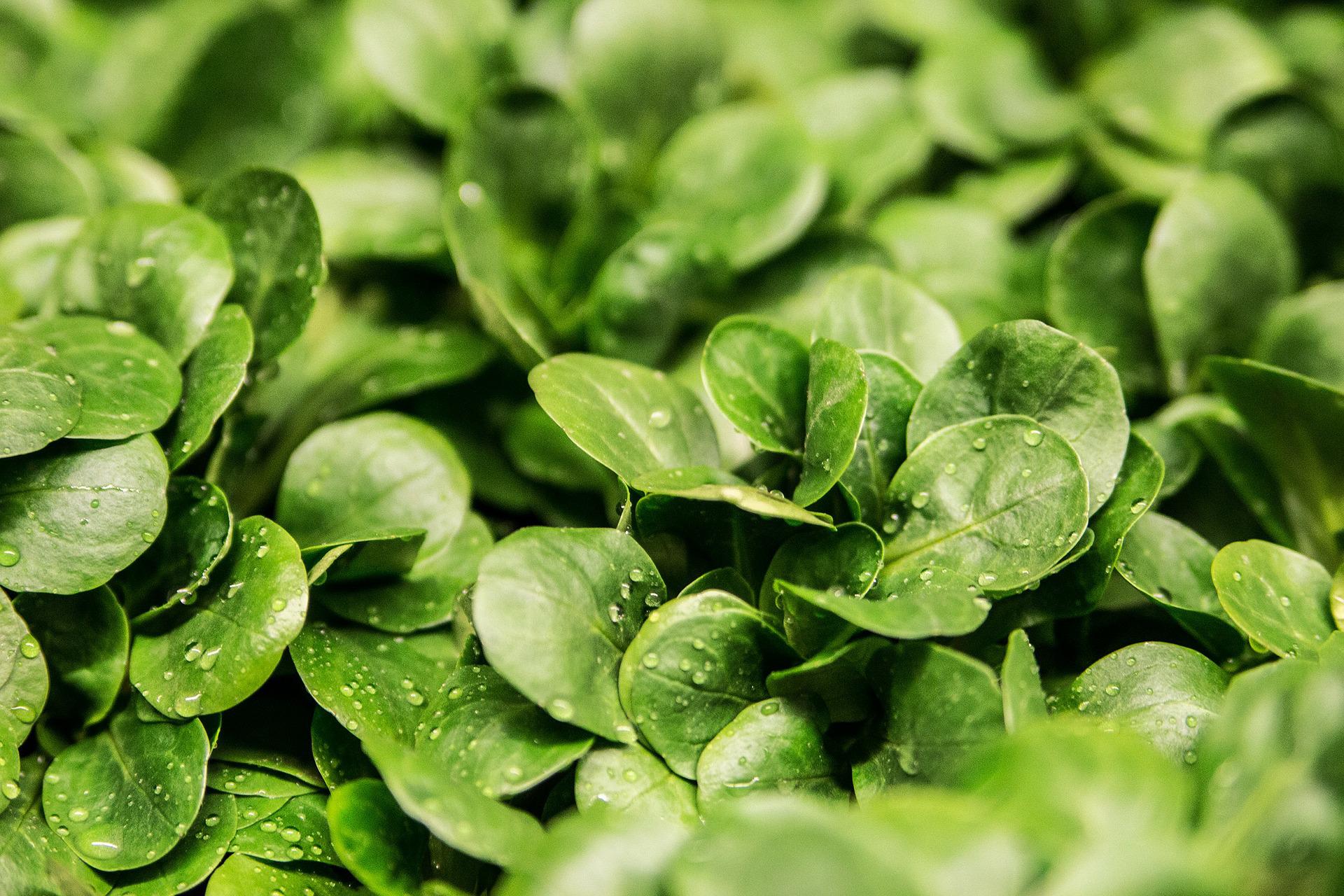
- Spinach: Contains vitamins K and A, as well as folate — the natural form of vitamin B9, important for proper blood clotting. A high potassium content and simultaneously low sodium help regulate blood pressure. Spinach is also a popular vegan and vegetarian source of calcium.
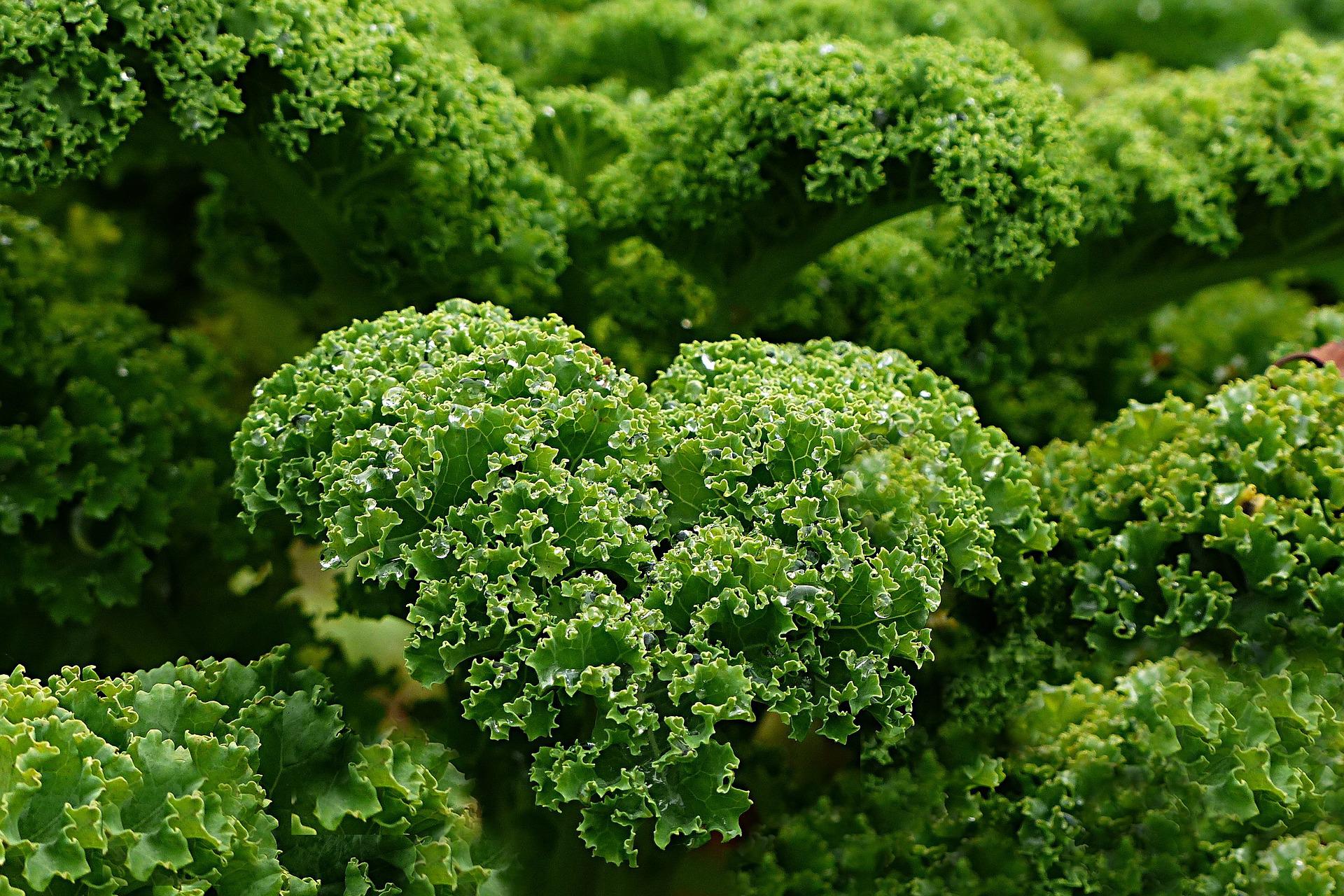
- Kale: Contains vitamins, minerals and antioxidants in such abundance that it is considered one of the most nutritionally valuable plants on the planet.
- Flat-leaf parsley (parsley): This plant related to root parsley has leaves full of vitamins A, B, C and E, iron, magnesium and potassium. The essential oils contained in its foliage are noted for strong detoxifying effects.
- Head lettuce: An annual or biennial plant forming typical heads composed of green, reddish or dark red leaves, depending on the variety. This superfood prefers a sunny spot and will reward you with a high content of antioxidants, vitamins (C, E, B1, B2) and carotene. The nutritional profile of head lettuce also includes important minerals like calcium, magnesium and iron. Head lettuce reduces fatigue, supports digestion and is considered part of natural prevention of cardiovascular diseases.
- Iceberg lettuces: You’ll also be able to enjoy this treat thanks to your own bio-quality harvest and you won't have to rely on supermarket shelves. The Zeus variety can be grown well even in summer and, besides high yields, will pleasantly surprise you with its fresh taste! The Pražan variety is also very popular and is commonly grown especially in summer — despite its name, it is cultivated in both Bohemia and Moravia. It is known for its large heads.
- Leaf lettuces: This type of lettuce is also called "cut-and-come-again" because it is harvested continuously. Mature leaves are picked and new ones grow in the meantime. For example, the 'Dubáček' variety can be grown easily even in summer, practically from spring to autumn.
There is no doubt that regular consumption of leafy vegetables supports physical and mental health. It is advisable to rotate varieties, since each offers a slightly different nutritional composition. All of them contain folic acid. Folates, which we mentioned in connection with spinach, also have a positive effect on brain function.
If you have any questions about growing leafy vegetables, feel free to send them to the well-known address info@higarden.cz.
We also recommend these products:
- TightVac airtight containers
- PLAGRON Seedbooster
- Agro Perlite
What to read next:
- How to grow microgreens?
- How to grow outdoor?
- How to grow cacti and succulents?