
How to grow chili peppers under artificial lighting
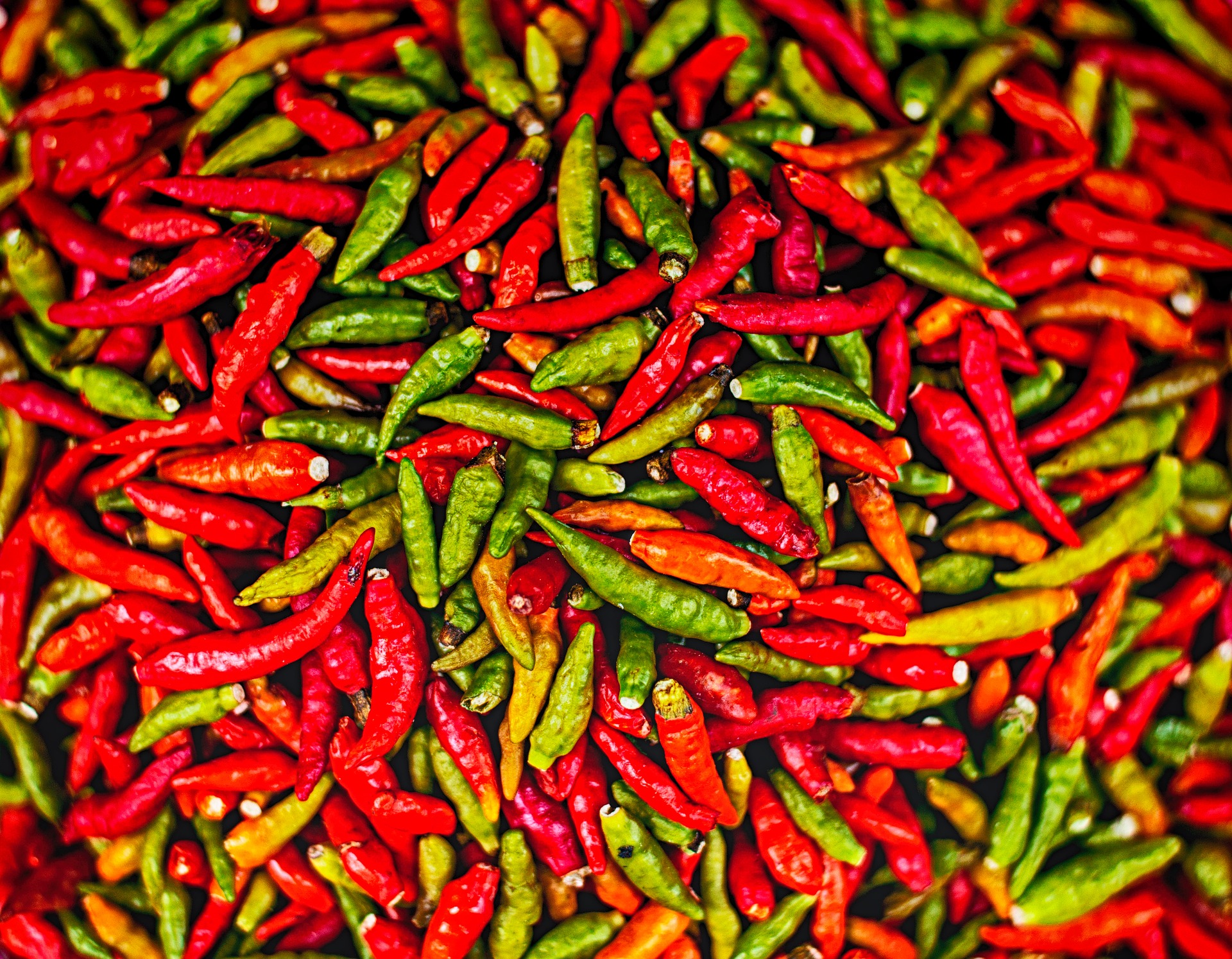 Autumn is at the door and for many chili pepper growers that means the end of the season. But not for everyone! Some chili enthusiasts are not deterred by bad weather and continue to grow their beloved plants even in winter. With the possibilities offered by indoor growing, you can not only overwinter chilies, but also grow tasty peppers. Not sure where to start? In the following lines we'll teach you the basics of indoor growing and introduce the basic equipment you'll need.
It is likely that chili peppers originally come from Central or South America and were first cultivated by the inhabitants of Mexico. Chili reached the European continent only at the end of the 16th century, but the unusual plant quickly gained fans, which gradually led not only to cultivation around the world, but also to the emergence of five distinct types of chili.
- Capsicum anuum includes many common varieties, such as bell peppers, wax peppers, cayenne, jalapeños, Thai peppers, chiltepin and all forms of New Mexico chiles.
- Capsicum frutescens includes tabasco, malagueta, labuyo, piri piri and kambuzi.
- Capsicum chinense includes the hottest peppers, such as naga, habanero, datil and Scotch bonnet.
- Capsicum pubescens includes the South American rocoto peppers.
- Capsicum baccatum includes South American pepper varieties.
The variability of the genus Capsicum has allowed growers to breed hundreds, possibly thousands, of cultivars with different characteristics and flavors, but all peppers have one thing in common: they thrive only in warm weather. Once the outdoor temperature drops below 15 °C, their growth will stop and they will cease to fruit. Although you can in theory overwinter chilies in a conservatory or on a windowsill, at our latitude there is little light during the winter months and the plants will likely suffer or even die. Indoor cultivation under artificial lighting consists of creating favorable conditions so plants can grow without natural sunlight. Growing chilies indoors brings many advantages, primarily:
- Year-round harvest: You no longer have to wait for summer! Enjoy fresh chili peppers regardless of the season.
- Pest protection: Growing under a roof in controlled conditions significantly reduces the risk of common outdoor pests, such as slugs, caterpillars, spider mites or aphids.
- Controlled environment: Consistently stable humidity, temperature and high light intensity allow plants to reach optimal growth. You will harvest more and faster!
- Efficient use of space: Thanks to grow tents you can cultivate your own peppers even without an outdoor garden or balcony. The efficiency of indoor growing allows you to produce a huge amount of yield even in a small space.
Basics of indoor chili growing
To get started growing chilies under artificial lighting, you'll need some basic indoor growing equipment.
Grow tent
A grow tent, also called a growbox, is essential for creating a controlled environment. It provides a space where you can regulate light, temperature and humidity. Grow tents are made in various sizes, so you can grow just a few plants in a small growbox or transform an entire room in your apartment into a blooming garden.
Grow lighting
The grow light is the most important and probably the most expensive component of your indoor garden. Since plants grown indoors in a growbox are not exposed to sunlight, they rely entirely on the energy from grow lights. Quality grow lighting must have sufficient intensity and the correct wavelength, which is why it is necessary to use full-spectrum LED lights designed specifically for agricultural use.
You might be interested in: Light spectrum and its effect on plant growth: Outdoor vs. greenhouse vs. indoor
Ventilation and air circulation
Plants need a constant supply of fresh air to grow. A grow tent or room must be adequately ventilated to prevent mold, rot and other plant diseases. The main drivers of your indoor garden are two fans: an exhaust fan, which is used to remove “used” air from the growing space, and a circulation fan to move air inside the growbox. You simply connect the exhaust fan to the designated duct at the top of the grow tent and you can optionally equip it with a carbon filter that minimizes odors from the grow room. Place circulation fans with an oscillating function inside the tent so that the airflow is directed slightly above the tops of the plants toward the grow lights.
You might be interested in: How to grow ornamental chili peppers
Temperature and humidity control
Chili peppers thrive in a warm and mildly humid environment. While you can't do much about the weather outdoors, with indoor growing it is essential to constantly monitor and, if necessary, adjust the microclimate in the growing area. You will need a good thermometer with a hygrometer, and possibly a heater for the growbox, a dehumidifier or a humidifier. Optimal temperature and humidity values in the growing space will vary depending on the species being cultivated, but in general chilies prefer temperatures in the range of 22-26 °C and a relative humidity of 70-90%.
Nutrients and substrate
When growing indoors you can cultivate chilies in the traditional way in pots planted in horticultural substrate, but you also have the option to try less common cultivation methods. Hydroponics involves growing plants without soil using a nutrient solution and is an extremely efficient and clean method. You can use a wide range of growing substrates, for example coconut or rockwool, which allow you to experiment with various fertilizers, from fully organic to highly effective mineral ones. Don’t be afraid to experiment! The beauty of indoor growing is the ability to change or adjust cultivation techniques at any time according to your needs.
Want to start growing chilies under artificial lighting but don’t know where to begin? We have prepared complete indoor chili growing sets that even a beginner can handle with ease. We also recommend visiting our blog, where you can learn everything important about indoor growing.