
How to grow cacti and succulents?
There is almost always a cactus or succulent in every home. We know this because you often ask us about growing cacti, so we have prepared this article for you in which you will learn how to properly care for these specific plants.
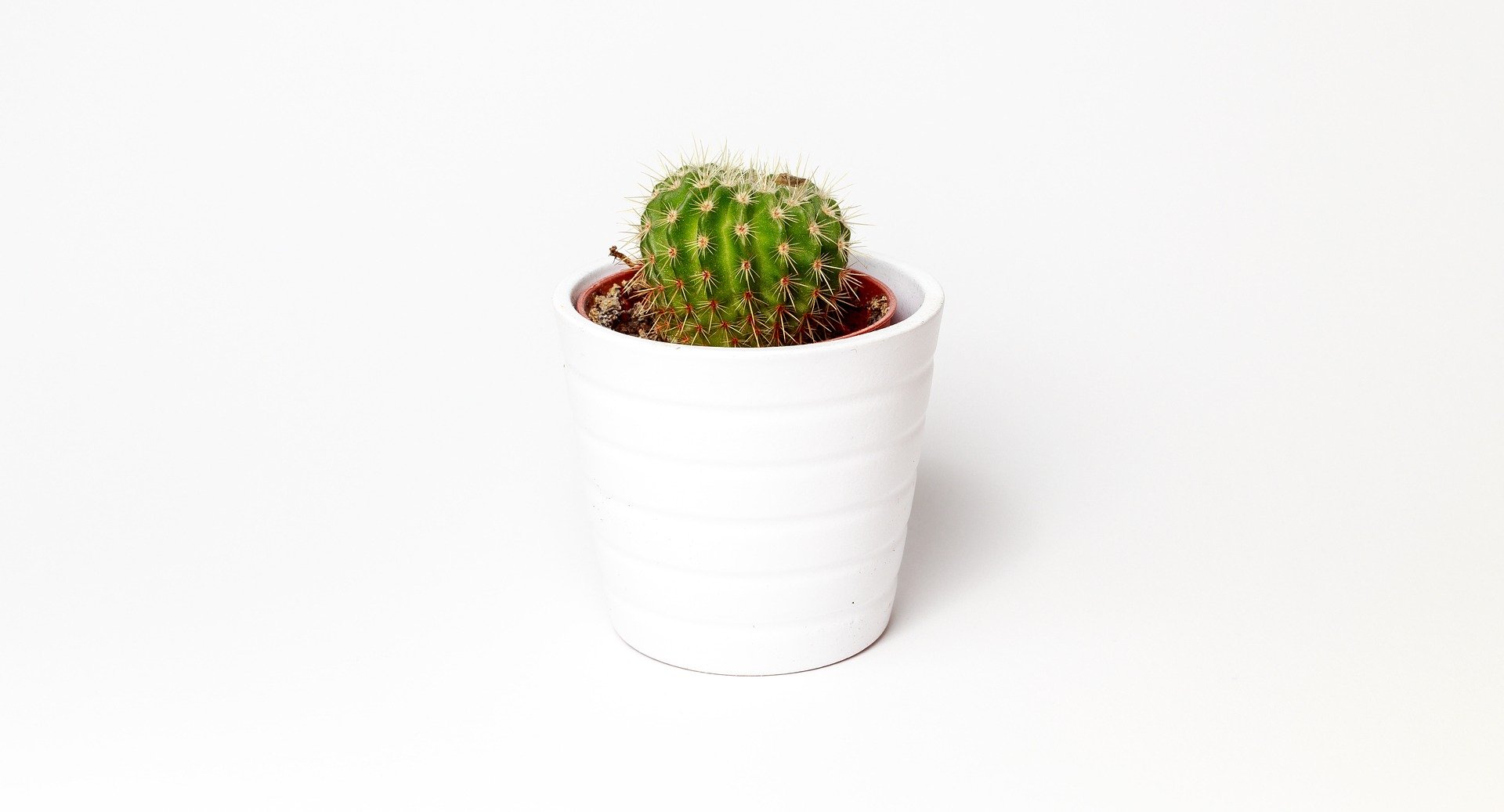
To begin, a botanical note or a quick quiz. What is the difference between cacti and succulents? We won't complicate things unnecessarily. Simply put, every cactus is a succulent, but not every succulent is a cactus.
- All succulent plants share the ability to retain a significant amount of plant sap in their tissues and cells.
- Some succulents, such as the popular aloe vera or agave, retain sap in their leaves.
- Succulents that retain sap in their stems can be regarded as cacti.
- Cacti have different needs than ordinary houseplants. The growing environment in the pot you prepare for them should simulate as closely as possible the environment in which cacti grow in the wild. A wet substrate is therefore, of course, wrong.
- As soon as you purchase a cactus or other succulent, you should immediately proceed to repot the plant. Ordinary peat-based substrates in which cacti and succulents are placed when you buy them in a garden centre or other shop do not represent a growing medium suitable for their long life.
- It is definitely good to opt for quality. The airier the substrate, the better. You can use a perlite amendment or clay pebbles.
- Choosing the right growing container is also key. Choose pots with a large drainage hole or smart pots that allow sufficient water outflow.
- What would happen if you repotted the plant and left it without watering for two weeks? The answer is clear: it would die. A repotted cactus is, however, the exception that proves the rule, because it requires exactly such a procedure. Therefore, after repotting it, wait another 14 days before watering.
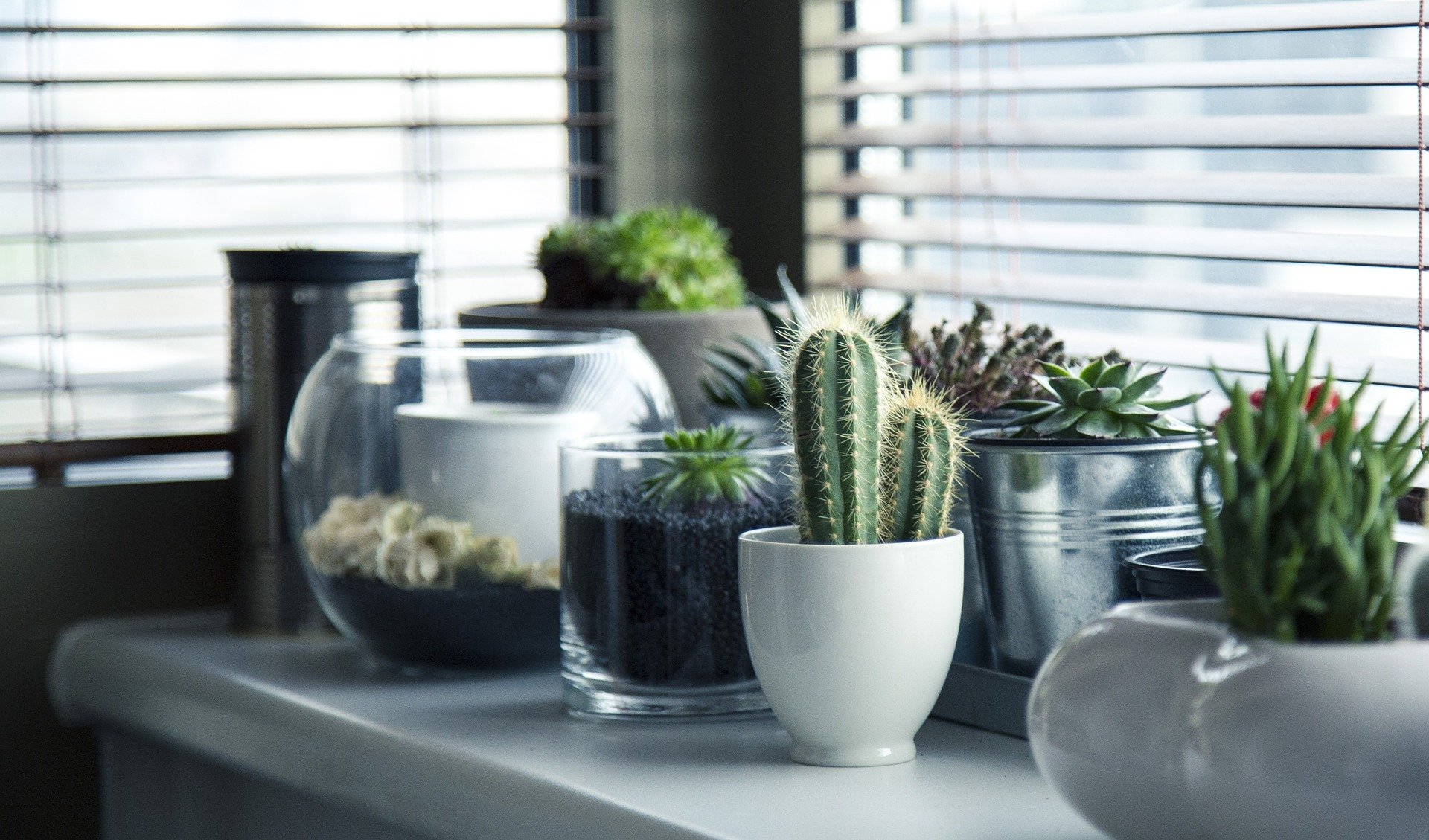
- A cactus blooming is a beautiful proof that it is being cared for correctly. However, it is by no means guaranteed, so don't be disappointed if it doesn't happen. Sometimes a cactus will bloom relatively early simply because the chosen variety is undemanding.
- It often happens that you bring a flowering cactus home from a garden centre or supermarket. But why does flowering stop at home and rot begin?
- One reason may be a lack of direct sunlight. Succulent plants, and especially cacti, should always be placed where they receive full sun daily. The best locations in a home are south-facing windows, followed by west- and east-facing ones. Interior windowsills are ideal. If your home is permanently darkened, cacti will not thrive.
- Another reason cacti stop flowering and fail to thrive is incorrect watering. It is best to water cacti in the evening. The water should be lukewarm and left to stand. During the growing season we recommend watering cacti once a week, and doing so thoroughly. A common mistake is to water cacti lightly but often.
- Cacti get enough nutrients from the substrate. Fertilizers are not necessary.
- However, due to the absence of fertilizers, cacti require annual repotting into fresh substrate from which they draw nutrients.
- If for some reason you do not repot a cactus into new substrate, you can apply liquid fertilizer at most three times a year. But be careful—only during the growing season.
And finally, a bit of inspiration. Here is a list of the most popular cactus genera among domestic growers:
- Astrophytum
- Echinocactus
- Echinocereus
- Mammillaria
- Gymnocalycium
- Notocactus
- Rebutia
- Lobivia
If you have any questions about growing cacti, do not hesitate to direct them to the well-known address info@higarden.cz.
We also recommend these products:
- Plagron Growmix s perlitem 50l (319 Kč)
- BioNova Bio Soilmix 50L (279 Kč)
- Chytré květináče Cobble (od 219 Kč)
What to read next?
- How and why to revitalize substrate?
- Expanded clay as a growing medium
- What are the developmental stages of a plant?