
Growing in Soil: Advantages and Disadvantages
For more advanced growers it is an absolute classic and a foundation, whether it is outdoor soil, a peat-based substrate or a combination of both. Growing in soil is also ideal for beginners, because unlike inert growing media or substrate-free plant cultivation, it tolerates enthusiastic novices to a certain extent for typical beginner mistakes.
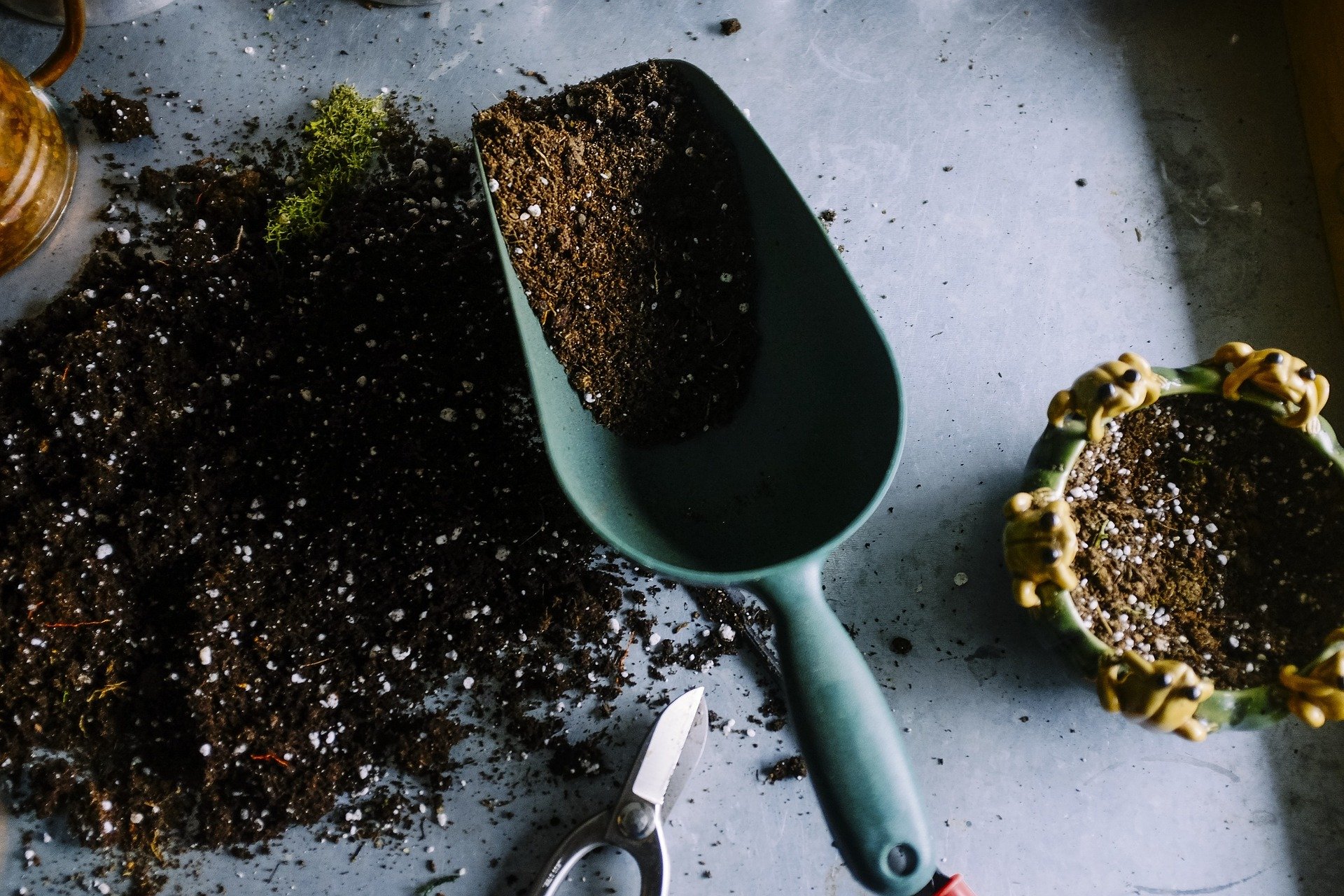
ADVANTAGES OF GROWING IN SOIL
- The main advantage lies in the overall lower complexity, which is appreciated especially by beginners, as we already indicated at the start of the article.
- Compared to hydroponics, which is very popular among growers who are no longer at their first growing round, soil does not require constant measuring of exact values like pH, EC and so on.
- Another reason why it may be more advantageous for you to grow plants in soil is fluctuating temperature or humidity in the grow environment. You cannot allow that in hydroponics.
- Plants grown in soil also tolerate drought better, because soil generally retains water well. You will appreciate this advantage when you have to leave for a few days unexpectedly and you do not yet have an automatic irrigation system. Most plant species grown in soil can survive a relatively long time without watering. (Beginners, after all, tend to overwater their plants.) While in hydroponics we water several times a day and therefore cannot imagine it without hydroponic systems, soil only needs to be watered twice or three times a week.
- Lower consumption of fertilizers is another significant benefit of growing in soil substrates. They are usually pre-fertilized, which means they already contain nutrients needed for the plant’s growth in the first weeks of the growth cycle. This saves beginners a lot of worries at the start. In hydroponics you need to supply nutrients to the plants via a precisely mixed solution from start to finish.
- Outdoor soil contains a considerable amount of basic nutrients by itself, as they are formed for example from the decomposition of dead animals, plant parts, or animal droppings.
- Soil can, to a certain extent, balance the content of minerals and trace elements in the growing medium on its own. Again, a big advantage for beginners, when maintaining a continuous desired level of nutrients can be more demanding, since a novice grower is also learning many other procedures and it is not easy to keep track of everything — it takes time to mature into a process that is primarily enjoyable.
- Just choose a quality substrate at a reasonable price, pots and you can start!
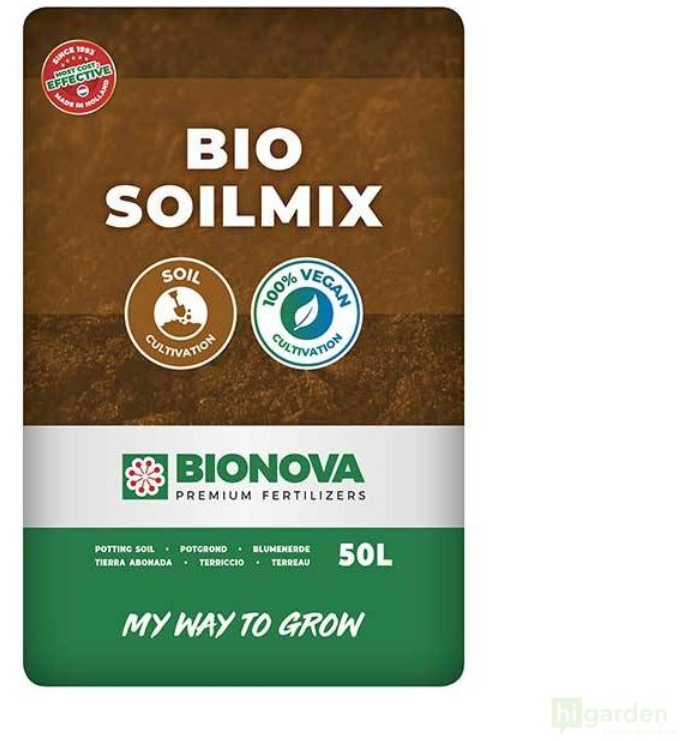
The best-selling soil from the brand BioNova wins on price-to-quality ratio hands down both with us and our customers.
- Soil also contains beneficial microorganisms that support healthy plant development and break down organic compounds into more readily absorbable elements.
- If you grow plants in soil, you can also take advantage of various organic soil improvers to achieve better results, such as BioNova VitaSol.
- An indisputable plus of growing in soil is the possibility of organic crops in BIO quality using 100% natural fertilizers and additives, such as BioNova Veganics (see the separate article link below).
- Soil does not undergo sudden chemical changes that a beginner grower would fail to notice and react to.
- Finally, it is worth highlighting the overall lower financial cost.
DISADVANTAGES OF GROWING IN SOIL
- Less control over the process and results. Growing in soil largely follows natural soil processes that the grower can only partly influence, unlike hydroponics or aeroponics, where you have absolute control over all growing processes. That, however, requires experience and resources, which again shifts the balance back toward the advantages listed above that soil growing offers to beginners.
- It is also difficult to estimate the actual and current nutrient levels contained in the soil. Which nutrients need to be supplemented at any given time is often only discovered without experience when a specific deficiency shows up on the plant. You can study the symptoms of important nutrient deficiencies in a separate article.
- There is a higher risk of plant infestation by pests or diseases, and therefore an increased need for prevention of these issues and higher costs for plant protection. Soil mixes for indoor cultivation can be sterilized, but outdoor soil cannot be sterilized.
- You can reuse soil as a growing medium for multiple cycles only if you take the time to revitalize it. Otherwise, you cannot.
We hope this article helped you gain a clearer idea of the advantages and disadvantages of growing in soil or a soil substrate, and if any of your questions remain unanswered after reading this text, do not hesitate to contact us at the known address info@higarden.cz.
We recommend these products:
- BioNova Bio Soilmix 50L (279 Kč) - the most popular soil substrate not only for beginners!
- Plagron Growmix with perlite 50l (2 990 Kč) - perfectly aerated top-quality soil that enables rapid and healthy root system development thanks to the addition of perlite.
- BioNova VitaSol (from 189 Kč) - liquid organic soil improver.
What to read next?
- BioNova Veganics – fertilizers not only for vegans
- Indoor vs. Outdoor — is it better to garden at home or outside?
- Symptoms of important nutrient deficiencies