
Choosing a pot for outdoor growing: Comparison of plastic, fabric and Air Pot planters
Some people focus on nutrients, some on light – but few pay enough attention to what the plant actually grows in. A poorly chosen pot can cause serious problems even for an experienced grower. Overheating, waterlogging, roots tangled like a ball of snakes… So: plastic, fabric, or Air Pot? Let’s break it down.
Plastic pots – cheap and proven classic
Plastic pots probably need no long introduction. Most growers use them, whether on a balcony, in a greenhouse, or in the garden. They are inexpensive, lightweight, and easily available in any size. For seedling propagation, basic herb cultivation, flowers or even vegetables, plastic pots are certainly a functional choice. However, if you plan to grow more demanding species, such as tomatoes, chilli or medicinal plants, plastic pots have some limitations. The main issue can be insufficient drainage, so we recommend using lighter substrates with perlite when growing in plastic pots (e.g. Plagron Growmix, BioBizz Light Mix). Another problem is substrate overheating, especially if containers are exposed to direct sun on a balcony or terrace. Black plastic pots can heat up so much that root damage occurs.
Advantages:
- Low purchase price
- Available in all sizes
- Lightweight, easy to carry
- Long lifespan with proper care
Disadvantages:
- Root circling
- Substrate overheats in hot conditions
Fabric pots – lightweight, breathable and ideal for the summer season
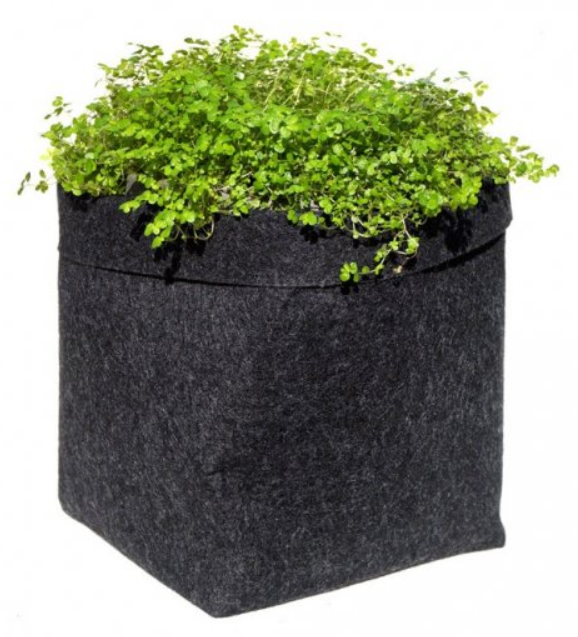 Textile pots are often a better choice for outdoor growing than plastic. The main advantage of fabric is breathability. The side walls of the pot are made of sturdy non-woven fabric that allows better air access to the roots, which prevents them from circling. This phenomenon is known as “air pruning” and naturally stimulates the growth of new fine roots and promotes the development of a healthy root system.
Fabric pots are ideal for outdoor cultivation because they easily drain excess water and the substrate does not overheat in them. They are also very compact for storage and smaller fabric pots are easy to carry, so they are suitable for balconies, terraces or places where you often need to move containers. A minor downside of fabric pots is that plants need to be watered more often because the substrate dries out faster.
Advantages:
- Air pruning
- Excellent drainage
- Lightweight and compact
- Substrate does not overheat even in direct sun
Disadvantages:
- Faster drying. Require more frequent watering
- Lifespan about 2–4 seasons depending on material quality
- Larger fabric pots are harder to carry
Air Pot – the professionals' choice
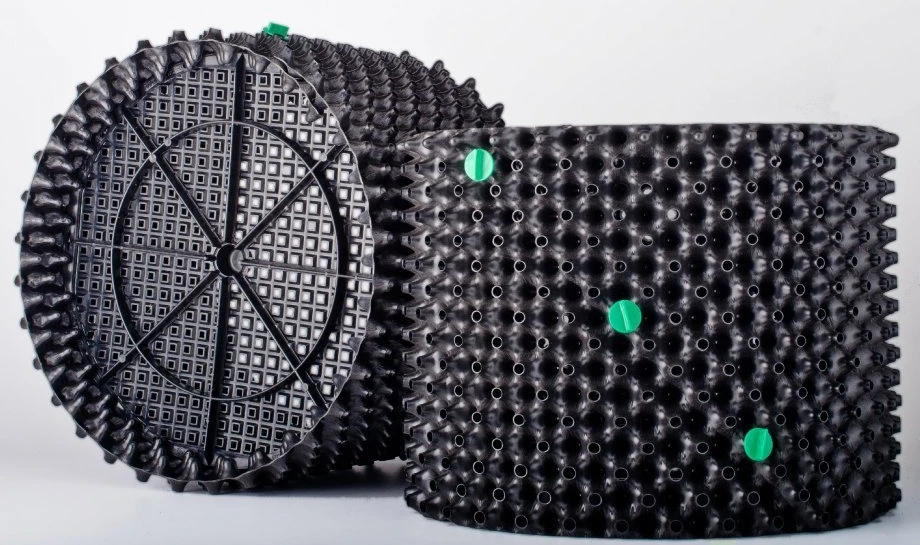 Air Pot pots look unusual at first glance. They have perforated walls and protrusions that make them look like they came from a space greenhouse. The unusual design has a purpose: to create ideal conditions for root system development. Similar to fabric pots, Air Pots also provide air pruning. The result is a denser and more even root ball than with classic plastic pots. Even with Air Pots, plants need to be watered more frequently. Air Pots are somewhat more expensive than other pots, but they are made of durable plastic and last. They are mainly suitable for growers who know what they are doing and want to get the maximum yield from their plants.
Advantages:
- Air pruning
- Great air circulation and drainage
- Reusable and very durable
Disadvantages:
- Higher purchase price
- More complex handling and assembly
- More frequent watering
| Type of grower | Recommended pot | Why this one? |
|---|---|---|
| Beginner | Plastic | Simple, cheap and accessible |
| Balcony grower | Fabric | Great value/performance ratio, compact |
| Demanding grower | Air Pot | Ideal environment for root development |
| Summer herbs, salads | Fabric or plastic | Less sophisticated solution is sufficient |
| Tomatoes, chilli, plants grown in controlled environments | Fabric or Air Pot | Require a healthy and strong root system |
Find more useful tips for outdoor growers on our Higarden blog or stop by our shop where we can advise you in person.