
Avoid the Most Common Mistakes When Growing Plants
Especially beginning growers often make fundamental mistakes that they could avoid by reading this article in time and thus enjoy a rich harvest right from the start. So let’s introduce them!

EXCESS NUTRIENTS
- In a recent article we looked closely at nutrient deficiencies — the lack of the most important nutrients in plant nutrition. However, plants also suffer when the nutrient imbalance is caused by an excess of nutrients. In gardening, the old saying holds true: too much of anything is harmful. And sometimes less is more, because a lack of nutrients is easier to manage than an excess.
- And it’s not only novice growers who want the best for their herbs and therefore give them more nutrients than is healthy. In growing practice we call this mistake nutrient burn from overfertilization.
- The good news is that this can be easily avoided. Just follow the instructions and values listed in the dosing charts.
- Nutrient burn looks similar to other types of burns caused by light or heat stress (see below).
- You will observe random spots around the leaf edges and leaf curling.
- In hydroponic systems the solution to this problem is simple! Just replace the growing medium and dilute to the optimal nutrient concentration. Plants have considerable regenerative abilities, but it takes time for them to recover sufficiently, which can be a problem for example with approaching frosts when growing outdoors.
LIGHT AND HEAT STRESS
- Here we are again at plant burns, this time caused by exposure to excessive light and heat.
- This mistake is most often encountered by novice growers when cultivating herbs in a grow tent under a powerful source of artificial lighting. The mistake itself is placing a strong discharge lamp too close to the top of the plants or over seedlings that require gentle conditions in a propagator, which call for gentle TLED lamps that can be safely placed very close to them.
- With an LED lamp, which compared to discharge lamps excels in even light distribution and vastly lower heat output, you no longer need to worry about plant burn. We particularly recommend full-spectrum (and also best-selling) LED fixtures by Lumatek.
- Visible signs of light and heat burn in the form of leaves with a yellow to brown coating will always be more pronounced closer to the artificial light source.
- The solution is to increase the distance between the lamp and the plant tops. Alternatively, check the temperature inside the tent. Room temperature will not harm the plants, but if you place your palm at leaf level for a minute and feel it distinctly hot, it means the plants are exposed to unhealthily high temperatures.
POOR WATERING
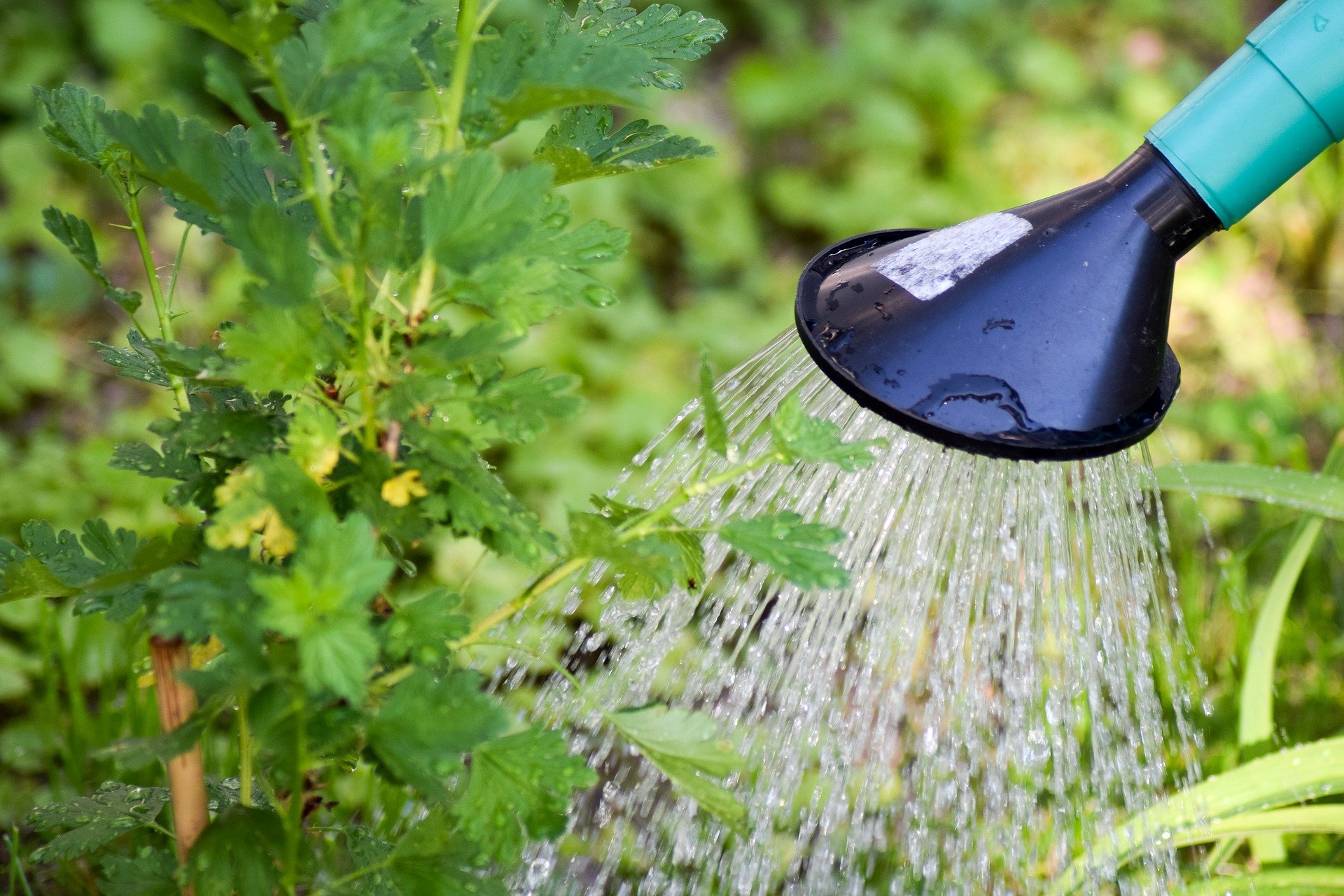
- When it comes to correct and incorrect watering, you need to avoid two extremes: underwatering and overwatering.
- Unfortunately, these two extremes are hard to distinguish with the naked eye, because overwatered plants also show wilted and curled leaves as if they were lacking moisture. Stem curling then reduces future yield.
OVERWATERING
- This is probably the most common mistake in plant cultivation.
- Overwatering belongs to the category of mistakes that enthusiastic growers most often encounter during their first growing cycle, when they vigorously supply plants with water and nutrients.
- Leaving aside the risk of nutrient burn from excess nutrients (see above), too much water and a wet substrate create a breeding ground for plant diseases or pest invasions.
- As we have already explained, overwatered plants initially look the same as those that need water. In practice this often creates a “vicious circle”, where a beginning grower tries to revive wilting plants with more and more water.
- If you know you water your plants regularly and yet you observe wilting leaves or even chlorosis (yellowing of leaves) typical of advanced stages of overwatering, nothing is easier than stopping watering for a few days and watching whether the plants improve. A proven way to indicate overwatering is to press the surface of the substrate. Water should not appear on the surface when you press it with your fingers and your fingers should remain only slightly moist. If not, you are overwatering.
- Simply loosening the substrate can significantly speed up recovery. The root system of an overwatered plant is effectively “suffocating” due to lack of oxygen, which can cause, among other things, root rot.
- Plants generally benefit from smaller amounts of water at regular intervals. The risk of overwatering, as well as nutrient burn, is significantly reduced by self-watering systems or for example chytré květináče.
UNDERWATERING
- How much water? Watering should correspond to the weight of the dry substrate.
- We recommend misting the plants as well, especially during the vegetative phase when higher humidity is important.
ROOT ROT
- Root rot is closely related to overwatering, because in waterlogged substrate bacteria multiply in close proximity to the roots and trouble is born.
- Once the root system is damaged due to rot, that damage is irreversible. And that would be a terrible shame!
- So what is the prevention of root rot in plants?
-
- personal hygiene or use of gloves
- clean, preferably sterile substrate and pot
- regular replacement of the growing medium in hydroponics and regular disinfection of the hydroponic system with peroxide
- oxygenating the water (air stone)
- room temperature water (18-20 °C)
- water filtration (reverse osmosis)
We hope today’s article will help you avoid these mistakes in the future. It is said that personal experience is the most valuable, but we believe that in the case of these mistakes it is unnecessary — so why not avoid them altogether, right? After all, growing should be a joy! And if you have any questions, feel free to contact us at the known address info@higarden.cz.
We recommend these products:
- Aerated pots HERCULES (from 49 Kč)
- Lumatek full-spectrum LED fixtures (from 6 990 Kč)
- Chytrý květináč Cobble (219 Kč)
What to read next?
- Reverse osmosis (RO)
- How to deal with plant diseases?
- Decorative, hanging and smart planters