
Annual Grow Plan: Prepare for the Outdoor Season
Those who grow outdoors must reckon with the whims of the weather and adapt their cultivation to nature. A diligent gardener is not caught off guard and plans planting and a work schedule months in advance. We will guide you through the key periods of the entire outdoor season and tell you when and how to plant which crops so you can expect a truly abundant harvest.
January and February: Preparing for the season
Winter is a time for planning and preparing for spring. Start by thinking about what you want to grow in the coming season. Explore new varieties that could enrich your garden or be better suited to the specific location. Did you encounter pests or fungi last season? Now is the right time to consider planting more resistant cultivars or even a different type of plant. Create a bed plan to make the most efficient use of your growing area.
Tool care: Check the condition of your tools and repair or replace damaged pieces. Invest in quality gardening supplies for professional gardeners that will save you time and money. Think about what you might need in the upcoming season. Don’t forget sprayers, watering cans, gloves, tying wire, geotextile, plant labels, and pruning shears.
Soil maintenance: If weather permits, add good compost or vermicompost to the beds to supply nutrients to the soil. Try not to underestimate this step; organic fertilizers need time to break down in the soil. Mulching is a great way to protect the soil from erosion and keep it ready for spring planting throughout the winter.
Wondering which fertilizers to use for outdoor growing? Read the article Organic vs. synthetic fertilizers: What is better for your plants?
March: First sowing and soil care
In March nature begins to wake up and it's time for the first outdoor sowing and soil preparation. If you grow plants that need a long ripening period (for example, chili peppers), you can start raising seedlings at home under artificial light. Learn how to start chili peppers here.
Preparing beds: Loosen the beds thoroughly and remove weeds. Add compost or a quality garden substrate to improve soil structure and provide nutrients. If you use the "no-till" method, where seeds are sown directly into untilled soil, skip this step.
Sowing hardy crops: Radishes, carrots, parsley, or peas can be sown directly into the beds. For peas, keep about 10 cm between seeds and 40–60 cm between rows. You can also start onion sets or garlic.
Cold frames and greenhouses: If you have a cold frame or greenhouse, you can start raising tomatoes, peppers, and other fruiting vegetables. Don’t forget adequate light and the right temperature, or try tube heaters for greenhouses.
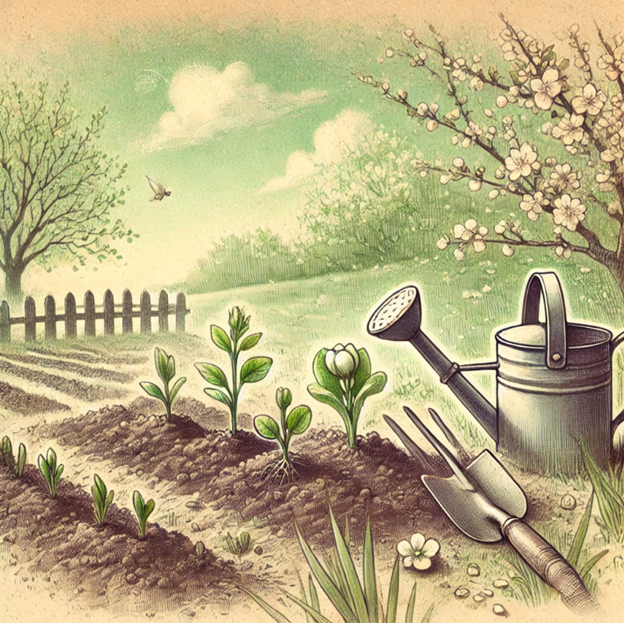
April: Season kick-off
April is a month of lively work for outdoor growers. The soil starts to warm up, allowing you to sow less hardy types of plants.
Planting potatoes: If you plan to grow potatoes, April is the ideal month to plant them. Plant seed potatoes in rows spaced 60 cm apart, at a depth of about 10–15 cm.
Sowing leafy and root vegetables: Spinach, beetroot, kohlrabi, and chicory can be sown directly into the beds. Also prepare space for herbs such as coriander, parsley, or chives.
Fruiting vegetables: Start raising tomatoes, peppers, and cucumbers at home or in a greenhouse. These plants need a longer growing season and should be moved to outdoor beds in May.
May: Peak planting
In May your garden will begin to come alive. As the saying goes, after the "frost days", i.e., after May 14, you should start planting warmth-loving crops directly in the beds.
Planting tomatoes and peppers: Transplant the seedlings of tomatoes and peppers to sunny beds. Keep adequate spacing between plants so they have enough room to grow.
Sowing zucchini and pumpkins: These crops need plenty of space, ideally at least 80 cm between plants. Sow them directly into the beds once the soil is sufficiently warmed.
Care for young plants: Monitor the weather forecast and protect plants from possible night frosts. Use non-woven fabric or plastic covers.
June and July: Garden care and harvest
Summer is a time of intensive work for gardeners, but we can also enjoy the first summer produce. This period is also the peak of activity for many pests. Regularly inspect plants in the garden so you can intervene in time. An overview and detailed information on how to fight insect pests and fungi can be found on our blog.
Watering and mulching: During dry periods remember to water regularly. The modern grower has access to a number of tools, including automatic irrigation systems that can take care of most of the heavy work for you.
Pest control: Watch plants for aphids, slugs, or other pests. Try to use ecological methods of pest and disease protection, such as predatory beetles or natural insecticides.
Harvesting fast-growing crops: Radishes, spinach, and lettuces are ready to harvest within weeks of sowing. Sow these crops throughout the season to harvest them progressively.
August and September: Harvest and preparation for autumn
The end of summer and the beginning of autumn are a time of abundance and preparation for the end of the season. Proper garden care in these months will ensure not only a flawless harvest without molds but also a healthy start for the next year.
Harvest: Tomatoes, peppers, zucchinis, potatoes, and other crops ripen. Harvest gradually so plants can continue to produce.
Sowing autumn vegetables: Sow winter leeks, Brussels sprouts, or autumn spinach so they have time to grow sufficiently before the frosts arrive.
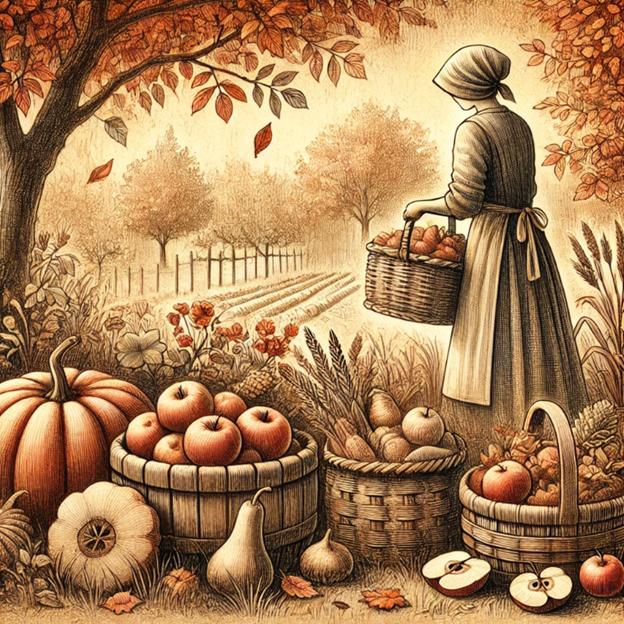
October and November: The garden rests
With the coming winter, nature begins to prepare for its winter rest. Spend time cleaning up and caring for the soil. Remove plant remains to prevent the spread of pests and fungi.
Garden cleanup: Remove plant debris that could host pests or diseases. Dig up and store the tubers of flowering plants, such as dahlias, in a dry place.
Fertilizing and composting: If you haven't done so yet, add organic fertilizers and compost to the soil so it has plenty of nutrients for the next season. If the soil needs liming, now is the right time.
Protection of perennials: Cover tender plants with evergreen boughs or non-woven fabric to protect them from frost.
You should now be perfectly prepared for the upcoming season. Finally, we add a clear table of popular crops with their planting months to help you better plan sowing. Find more useful tips for growing at home and outdoors on our Higarden blog.