
Nutrition, Growing Media and Water, Page 6
List of articles
Growing in Soil: Advantages and Disadvantages
For more advanced growers, this is an absolute classic and a basic staple, whether it is outdoor soil, soil in the form of a substrate based on peat, or a combination of both. Growing in soil is also completely ideal for beginners, because unlike inert growing media or soilless plant cultivation, it tolerates classic beginner mistakes to a certain extent.
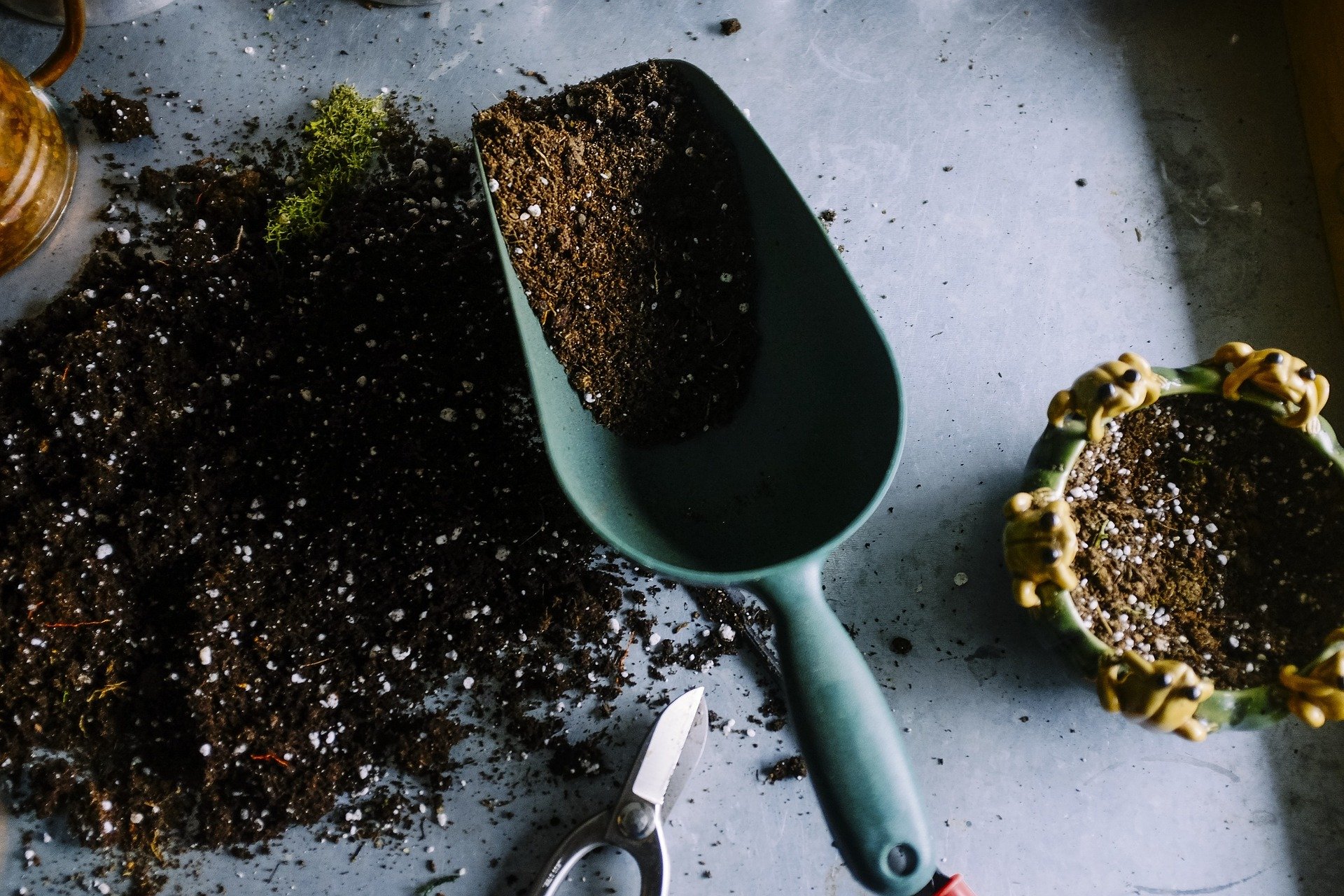
ADVANTAGES OF GROWING IN SOIL
- The main advantage lies in the overall lower demands, which beginners will especially appreciate, as we already indicated in the introduction to the article.
- Compared with hydroponics, which is very popular among growers who are not yet facing one of their first growing cycles, soil does not require constant measurement of precise values of pH, EC, etc.
- Another reason why growing plants in soil may be more advantageous for you is fluctuating temperature or humidity in the growing environment. You cannot allow that in hydroponics.
- Plants grown in soil also withstand drought better, as soil generally retains water well. You will appreciate this advantage when you suddenly have to leave for a few days and you are not yet equipped with an automatic irrigation system. Most plant species grown in soil can survive for quite a long time even without watering. (After all, beginning growers tend to overwater their plants rather than underwater them.) While in hydroponics we water several times a day, and therefore cannot even imagine it without hydroponic systems, soil only needs watering two or three times a week.
- Lower consumption of fertilisers is another significant benefit of growing in soil substrates. These are usually pre-fertilised, which means they already contain the nutrients needed for plant growth in the first weeks of the growing cycle. This saves beginning growers a lot of worries at the start. In hydroponics, plants must be supplied with nutrients in the exact amount from start to finish through a properly mixed nutrient solution, no ifs or buts.
- Outdoor soil also contains a significant amount of basic nutrients on its own, as these are formed, for example, by the decomposition of dead animals, plant parts or animal droppings.
- Soil is also capable, to a reasonable extent, of balancing the content of minerals and trace elements in the growing medium. Again, this is a great advantage at the beginning, when continuously maintaining the required amount of nutrients may be more demanding, because a beginning grower is also still learning many other procedures and keeping everything under control is not easy; on the contrary, one needs to mature into it so that growing is above all a pleasure.
- All you need to do is choose a quality substrate at a reasonable price, pots, and you can begin!
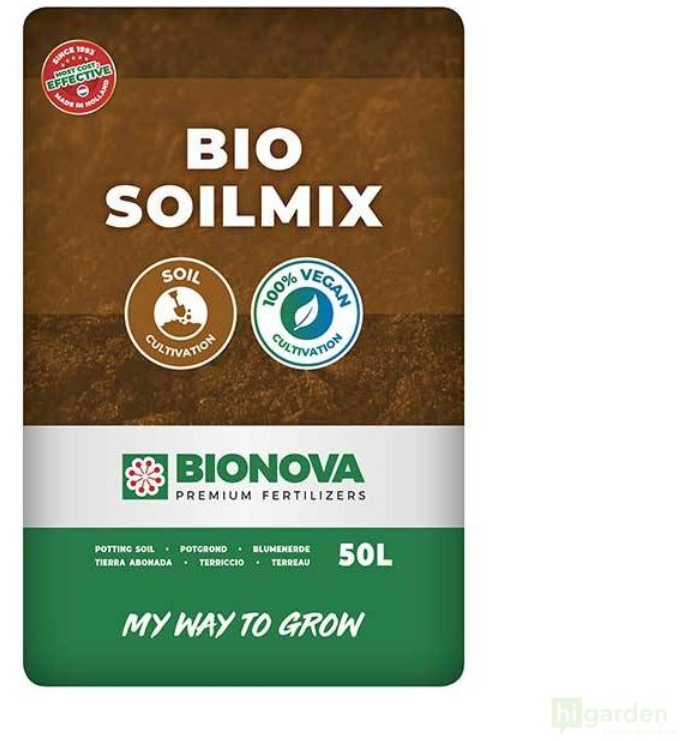
The best-selling soil from the BioNova brand wins hands down on price-to-quality ratio with us and with our customers.
- Soil is also not short of beneficial microorganisms, which support the plant in healthy development and break down organic compounds into more easily absorbable elements.
- If you grow plants in soil, you can use various organic soil improvers to achieve better results, such as BioNova VitaSol.
- An undeniable plus of growing in soil is the possibility of ecological produce in BIO quality using 100% natural fertilisers and additives, such as BioNova Veganics (see the link below to a separate article).
- In soil, there are no sudden chemical changes that a beginning grower would not be able to notice and respond to.
- Finally, it is necessary to highlight the overall lower financial demands.
DISADVANTAGES OF GROWING IN SOIL
- Less control over the process and the results. Growing in soil largely follows natural soil processes, which the grower influences only partly, unlike for example hydroponics or aeroponics, where you have absolute control over all growing processes. However, that also requires experience and resources, which again shifts us more towards the above list of advantages that growing in soil offers beginners.
- It is also difficult to estimate the actual and current state of the nutrients contained in the soil. What nutrients need to be supplemented to the plants at a given moment is often only discovered without experience when a specific deficiency appears directly on the plant. You can study the symptoms of important nutrient deficiencies in a separate article.
- Greater risk of plants being attacked by pests or diseases, and therefore also an increased need for prevention of these problems and higher costs for plant protection. Soil mix for indoor plant cultivation can be sterilised, but outdoor soil can no longer be sterilised.
- You can also use soil as a growing medium repeatedly for several growing cycles only if you take the trouble to revitalise it. Otherwise not.
We hope this article has helped you gain a clearer idea of the advantages and disadvantages of growing in soil or a soil substrate, and if any of your questions remain unanswered after reading this text, please do not hesitate to contact us at the well-known address info@higarden.eu.
We recommend these products:
- BioNova Bio Soilmix 50L (279 Kč) - the most popular soil substrate not only for beginners!
- Plagron Growmix with perlite 50l (2 990 Kč) - perfectly aerated soil of the highest quality enables rapid and healthy development of the root system thanks to the addition of perlite.
- BioNova VitaSol (from 189 Kč) - liquid organic soil improver.
What to read next?
- BioNova Veganics – fertilisers not only for vegans
- Indoor vs. Outdoor, or is it better to garden at home or outside?
- Symptoms of important nutrient deficiencies
BioNova Veganics – fertilisers not only for vegans
In today’s article, we will focus on a matter close to our hearts... and we are certainly not alone in this. The same description could easily be used by many amateur and professional growers and gardeners, because when it comes to organic fertilisers, the VEGANICS range from BIONOVA is hard to beat in terms of value for money.
It does not matter whether you grow at home, in the garden, in a greenhouse or in the field. Whether indoors or outdoors. It does not even matter how experienced you are. And even better, it does not matter what your budget is either. Veganics fertilisers, 100% organic nutrition from the Dutch brand BioNova, are available at a reasonable price, both for the growth phase and during flower formation.
This means that everyone can grow their own crop and harvest in BIO quality right from the start. This is even easier when combined with the renowned substrates from the same brand, whether you grow in soil or prefer coco.
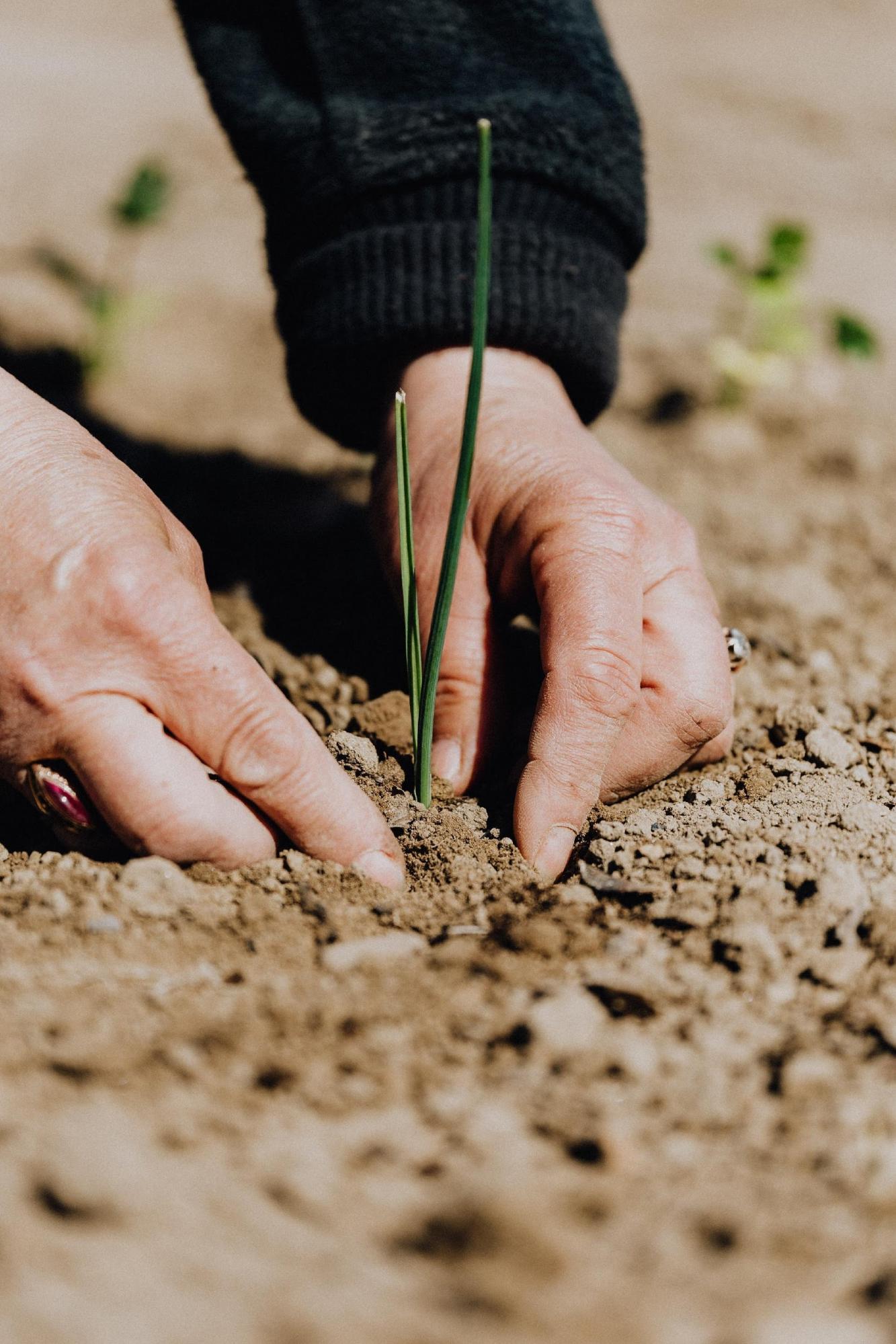
You do not need to be vegan or vegetarian to appreciate a composition entirely free from animal ingredients. In addition to the pleasant feeling that comes from the simple fact that you are supporting the planet you live on, the purely natural composition with its unique formula will above all finally allow you to grow and enjoy fruit, vegetables or fresh herbs with such a natural taste and aroma as you may not have had the chance to experience before...
The basic NPK fertilisers from the Veganics range represent a unique blend of plant-based raw materials and primary sea minerals freed from animal waste and ballast salts. All the organic substances contained are very quickly mineralised and absorbed by plant tissue through the roots, stems and leaves, which improves their physiological activity and natural defence against abiotic stressors.
The best way to get acquainted with the nutrition of the Veganics product range is undoubtedly the practical and comprehensive set, or Hobby pack Veganics, where, in addition to the basic fertilisers for the vegetative phase (grow) and flower or fruit formation (bloom), you will also find a 100% organic product with a higher potassium content, beneficial bacteria and mycorrhizal fungi to improve soil properties, which has a great deal to do with the taste described above. VitaSol helps plants of all kinds transport absorbed nutrients throughout the entire plant. You will benefit from it most during periods of increased production and rapid growth. Especially if you grow plants under artificial lighting, VitaSol is an excellent helper.
To make the set complete, we must not forget X-cel Booster, which actively supports growth and flower formation from the very first day of planting!
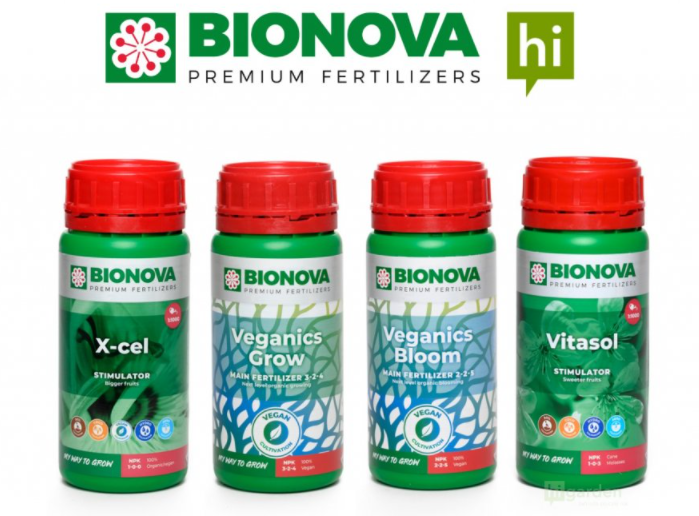
Hobby pack Veganics - the “dream team” in the category of organic plant nutrition
BioNova Veganics is a comprehensive nutrition range that guarantees the most natural and cleanest possible way of fertilising that you can give your plants. Higher yields will, of course, not be long in coming and will arrive by the next harvest at the latest. If you focus on cultivating plants inside a grow box, you can look forward to a harvest up to one fifth richer and at the same time 100% natural, and even several times a year.
The family of fertilisers and additives with the VEGANICS label also includes the unique product called The Missing Link (TML). It is a blend of organic materials with precious metals and fulvic acid in the main role, which significantly stimulate the natural defences of all conceivable plant species. As a result, they will not succumb to stress, pests or diseases. In addition, you can also use it in hydroponic systems. Together with another representative of this product range, the aforementioned X-cel booster, it forms a perfectly coordinated pair. With perfectly vital plants nourished by natural nutrition, you will probably gain one more bonus in the end - you will save on fungicides and herbicides.
We will be glad if the Veganics range has interested you at least half as much as it has interested us and many of our customers. Be assured that the other half, which consists of your own experience, is well worth it. Do not hesitate to ask us anything. We will be happy to advise you on choosing the ideal organic nutrition. We look forward to your questions at the well-known address info@higarden.eu.
- Discounted BioNova Veganics set (Hobby pack)
- 100% natural fertiliser for growth
- 100% natural fertiliser for bloom
- BioNova soil mix
Metrop
When nutrient concentration for plants takes centre stage, the Dutch manufacturer of biomineral liquid fertilisers offers an exceptionally high proportion of key nutrients for universal use, whether you are growing in soil, coco or in hydroponics.
Metrop fertilisers therefore dispel the myth that every growing medium necessarily requires a different fertiliser. If you use Metrop, you only need to adjust the dosage. Would you like to learn more about highly concentrated nutrition from their own laboratories? Then read on!
As we have already explained, Metrop does not make much distinction between substrates and individual cultivation methods. The unique products are developed in the Netherlands so as to satisfy commercial growers as much as possible, for whom the difference in yields is a matter of livelihood, while also being easily accessible to complete beginners, for whom they will make the entire plant growing process much easier.
The company prides itself on intensive research in its own laboratories. It refuses to adopt information about findings in the field of plant cultivation indoors or outdoors. For several years now, it has followed a path based exclusively on its own experience. Every two weeks, a laboratory analysis of the tested plants is carried out.
If, from a grower’s perspective, you have been considering for some time that you would like to test fertilisers other than those you are used to, or simply want to try something new, the comprehensive Metrop range has its own specific features that are worth exploring.

INCREDIBLY UNIVERSAL NUTRITION FOR ALL TYPES OF PLANTS
The Metrop brand is represented in our shop by 7 unique products, which we will now introduce in more detail. Their creation is the result of demanding technological processes, especially biosynthesis, which we will also explain.
- MR1 – a biomineral fertiliser for the vegetative phase of plants, characterised by NPK values of NPK 10-40-20 and containing all macro- and microelements that a plant needs for vigorous growth, regardless of the type of substrate. We recommend it from the second day of growth until the third or even fourth week of flower formation. In addition to the basic nutrients, the composition is enriched with magnesium and chelated trace elements. Chelation is known for being completely natural to plants, which significantly increases the bioavailability of the nutrients contained.
- MR2 – a biomineral fertiliser designed for maximum yield and huge flowers! Its pure composition allows every grower to maximise yields without the risk of overfertilisation. If you are involved in hydroponics, you will appreciate that the quality of the substances is so high that it does not allow deposits to form in hydroponic systems. This again improves fertiliser management and the service life of hydroponic equipment. We recommend following MR1 with this fertiliser, meaning applying it three, or possibly four, weeks from the moment the plant begins to flower.
- Calgreen - a unique product containing amino acids and vitamins, developed on the basis of a synergistic combination of calcium and nitrogen. These two elements are also the basic building blocks of plant cell walls. The effect of this product is such that the resulting inflorescence is heavier, holds together beautifully as a whole, and the plants are significantly stronger and more flexible. The Dutch manufacturer also declares an 80% success rate in preventing rot and mould.
- Root+ - a root stimulator that completely departs from conventional products, containing high-quality amino acids and vitamins. An interesting fact that will please every grower is that, thanks to its own biosynthesis, Metrop is able to define precisely the type and number of individual amino acids in the composition of this product. The Root+ root booster thus gains a kind of extension, because in addition to the roots and rootlets themselves, it also directly stimulates the leaves and stems and affects the formation of important enzymes. The structure of amino acids resembles a spiral that can be measured. The value above which the plant is no longer able to absorb amino acids is stated as 1500 DA (Daltons). It is therefore striking that most organic products commonly available on the market have these values at around 10,000 DA. In the case of Metrop Root+, the length of this amino spiral is only 700 DA! You will notice the difference most on plants exposed to stress.
- AminoXtrem - a flower stimulator. When we first saw the presentation of this broad-spectrum amino acid-based product, we were amazed. Its application affects, quite literally, all processes in all types of plants that you can think of. Both the visible ones and those hidden from the human eye. AminoXtrem has a beneficial effect on roots, stems, leaves and flowers, and again uses controlled biosynthesis of amino acids, the advantages of which we described above. In laboratory conditions, amino acids are obtained by fermentation, hydrolysis, or precisely through biosynthesis, which surpasses the other methods in that the resulting product is able to influence more parts of the plant at once. Amino spirals created by biosynthesis measure less than 700 Daltons, and therefore are much better actually utilised by the plant than is the case with ordinary amino acid-based stimulators. Biosynthesis is a technologically very complex process, and Metrop is one of the few companies to have invested both time and resources in it, thanks to which it is now collecting awards and gaining renown in the world of growing.
- MAM – special nutrition for mother plants is enriched with micro- and macroelements that would otherwise be lacking due to the frequent taking of cuttings. The increased phosphorus content ensures continuous growth of roots. Magnesium, in turn, takes care of chlorophyll production and protein synthesis.
- Enzymes - When we are talking about proteins, we must not forget the last supplement from the Metrop range, which is this bottle packed with special protein molecules that accelerate a whole range of biochemical processes taking place in the plant body.
If the Metrop brand has caught your attention as it has ours, take advantage of the discounted prices and, above all, the synergistic action of the individual products we have just introduced, namely in the form of comprehensive sets. Before that, however, please do not hesitate to ask us anything. Call or write to the well-known address info@higarden.eu.
NPK - what is it?
The NPK value indicates what percentage by weight the three basic nutrient components for a plant make up.
The NPK value indicates the percentage by weight of the three basic nutrient components that a plant should have available for optimal growth and development:
- N denotes nitrogen, which is absolutely essential for growth in plants.
- P denotes phosphorus, which supports root formation and the development of buds and flowers.
- K denotes potassium, which ensures the plant’s strength, improves its resistance and protects the plant against possible infections.
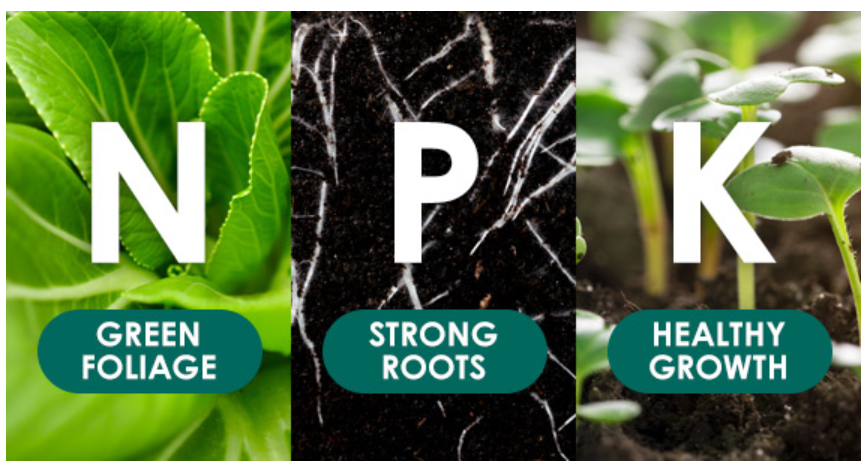
Fertilisers containing N-P-K elements are the basic nutrition for plants.
What is the composition of an NPK fertiliser and how should one understand the specific values of a given NPK fertiliser?
If the NPK value is 6-8-6, the plant’s nutrition includes 6% nitrogen, 8% phosphorus and 6% potassium (by weight).
NPK fertilisers containing the basic elements for healthy growth of plants are often referred to as so-called complete fertilisers. The term triple fertilisers is also often used.
A fertiliser containing only phosphorus and potassium - a double fertiliser, or PK fertiliser - is a mineral additive for an extensive root system of plants, and another effect of its use is often the formation of abundant flowers.
Growers also widely use single fertilisers containing only one of the three most important NPK elements. A single fertiliser provides plants with an extra dose of nitrogen, phosphorus or potassium. The number for each type of fertiliser again expresses the percentage by weight.
Fertiliser with NPK content and its practical use:
- The consumption of nitrogen, phosphorus and potassium is considerable in most plants, so single, double and triple fertilisers with different NPK contents are intensively used when growing plants in indoor conditions throughout the cultivation cycle.
- Basic soil fertilisation at the start of vegetation is also important if you repeatedly use a smaller growing area outdoors outdoor (a garden, bed, etc.) for growing fruit or vegetables, for example. Repeated cultivation in the same growing area results in lower soil fertility, as nutrients are gradually depleted from the soil. It is therefore important to add them back into the soil, and this is exactly what complete fertiliser is for.
UGro produces ecological coconut substrates and protects peat ecosystems
It has been more than 20 years since the UGro brand was founded in Barcelona, with a vision from the outset of producing high-quality coconut substrates with sustainability and the protection of peatlands in mind, which on our planet represent the largest natural carbon store. We have recently added new products from this traditional Spanish manufacturer to our range, led by coconut compressed cubes, ideal for outdoor and indoor plant cultivation, including hydroponics. As you will learn in this article, they are easy to use and you will quickly come to appreciate them as a natural growing medium.
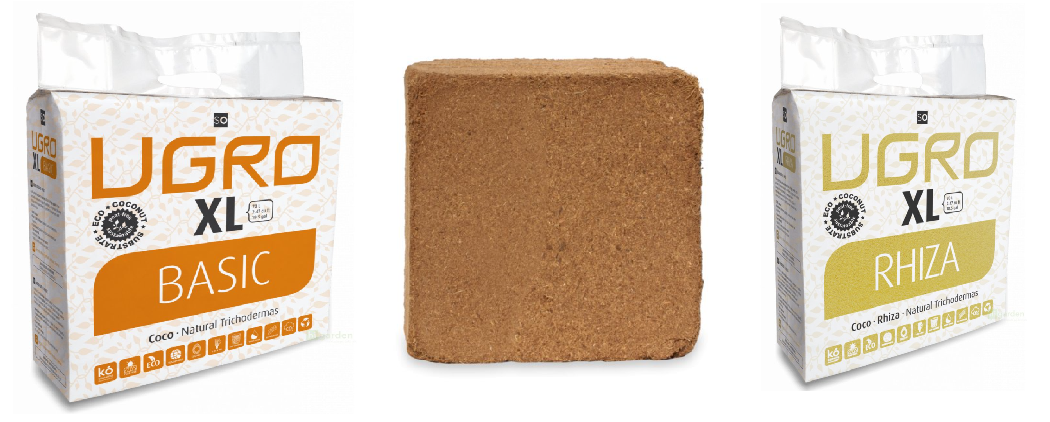
Compressed coconut cubes
UGRo products, such as an organic coconut substrate for indoor and outdoor use, which you can see in the first image, are made from coconut husks in India. And so, in the field of coconut substrates, the comparison with a rare spice immediately suggests itself. You can rely on all the important parameters of UGRO substrates, which we will mention below, remaining the same from the moment they are packed until you open the packaging yourself. That is, after all, a major practical advantage of dehydrated coconut - long shelf life while preserving the original properties and easy handling or transport. We can also immediately add recycling, or the possibility of repeated use of the growing medium. If you would like more general information about the advantages of coconut substrates and their use not only for hydroponic plant cultivation, read the separate article: Growing in coconut.
However, both types of UGro coconut cubes have a slightly different composition from what we are used to with other coconut brquettes and mats. Whether you choose the UGro BASIC or UGro RHIZA version, the dehydrated and compressed block of premium coconut substrate made from high-quality coconut peat in the form of fine particles contains a low proportion of fibres.
You will also probably have noticed that the left-hand coconut cube for plant cultivation shows the BASIC version, while the packaging on the right looks very similar but bears the RHIZA label. So what is the difference? You will pay a few crowns extra for the second-mentioned version, but the reward will be a composition enriched with endomycorrhiza for better nutrient uptake.
While we are on the subject of which UGro coconut cube will suit you better, it naturally also depends on the scale on which you grow your plants, whether outdoors or in the comfort of your home. In this respect, UGro again offers professional and hobby growers two options:
- UGro Coco XL: a 5 kg block of dehydrated Indian coconut for plant cultivation turns into 70 litres of unique coconut substrate, ready for immediate use, after adding 18 litres of water.
- UGro Coco Small: the smaller and more affordable pack weighs 650 grams. If you add 3 litres of water, you will obtain 11 litres of natural coconut substrate.
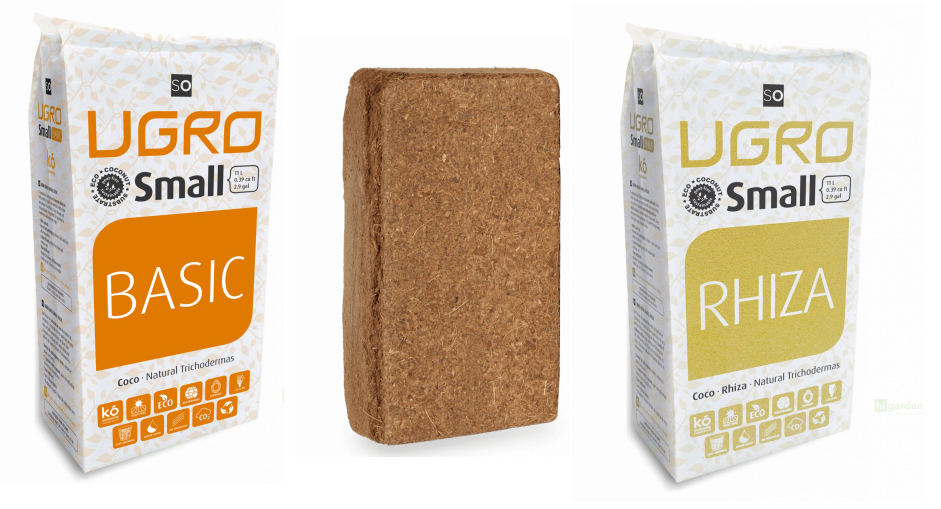
Advantages of the UGro Organics Coco compressed coconut cube
And now back to why you should definitely try these dehydrated compressed coconut substrates:
- Excellent water and air retention properties for a healthy and richly developed root system - the basis of a vital plant and a successful harvest. To be precise, we state a water retention capacity of 910%, both for the BASIC and RHIZA versions.
- Better uptake of nutrients dissolved in water. As a result, fertiliser and water use falls by up to half when using UGro coconut substrates!
- Optimal EC levels (< 0.6 ms/cm ) and pH (5.5 - 6.5).
- A universal natural growing medium for cultivation in a grow box and under open skies.
- Perfectly clean composition without soil pathogens, odours, roots or other impurities.
- Trichoderma and an improved structure for greater plant resistance to stress factors, pest attack, mould, root rot or other plant diseases. If you are not yet familiar with the beneficial effects of symbiotic fungi on the root system of plants, be sure not to forget to read the separate article as well: Trichoderma or the natural way to a rich and healthy harvest.
How do you use UGro compressed coconut substrates?
UGro Small and UGro XL are two different volumes of compressed and dehydrated coconut substrate. Preparing them is really easy in both cases. You only need a sufficiently large container for soaking the substrate and water.
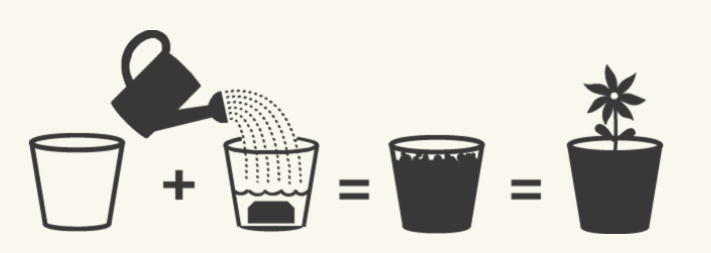
- First prepare a hydration container and fill it with 3 litres of clean water.
- Then remove UGro Small from the packaging and place the compressed coconut into the water.
- After 3 minutes at the latest, the coconut substrate is hydrated and therefore ready for use. You will know this because it will increase in volume (11 litres).
- The preparation procedure for UGro coconut substrate in the case of large coconut cubes is the same, except that you will need a larger container for water, because the substrate will gain its declared volume of 70 litres after soaking.
Try other products from the UGro brand as well
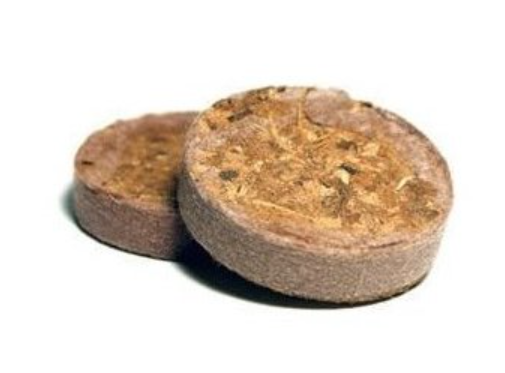
- UGro propagation media: Make use of biodegradable, organic material with a low fibre content for convenient and effective sowing of your favourite plants!
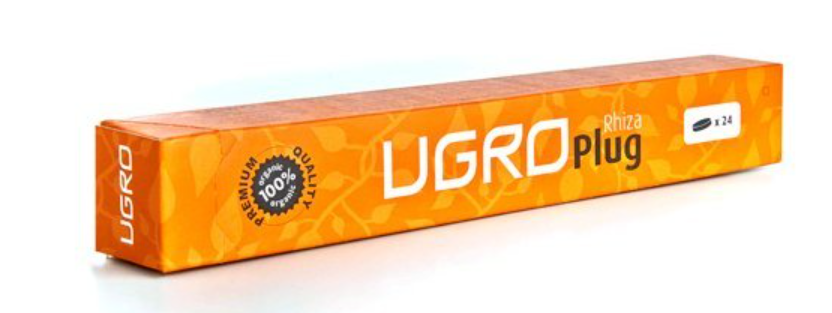
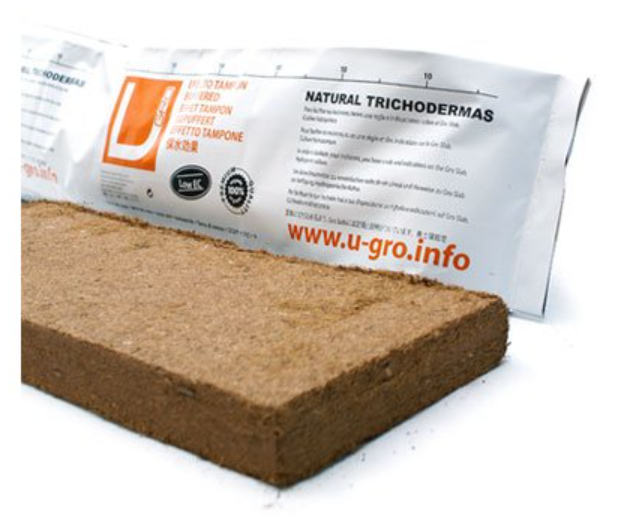
- UGro Slab - compressed mat: Are you growing perennials or long-term crops? Then try this compressed block with the hallmark of UGro quality, which has cleverly pressed openings in the base section to make watering easier while also ensuring the necessary drainage of the substrate. The packaging is adapted with UV stability in mind. And, as we are used to with UGro, it also contains beneficial Trichoderma for healthy “micro-life” and better nutrient management. The U Gro Slab bag weighs 1.6 kg. Just 4 litres of water are enough and you will immediately obtain 15 litres of top-quality substrate.
Ecological corner
Ecology and sustainability linked with the protection of peatlands is the Spanish manufacturer’s number one topic. By protecting peatlands on Earth, it reduces harmful emissions of large amounts of carbon dioxide, which are equivalent to one tenth of global greenhouse gas emissions, the loss of biological diversity (biodiversity) and food resources for the livelihoods of communities, which applies not only in India.

If eco-friendly growing media for home and outdoor plant cultivation from the UGro brand have interested you even half as much as they have us, please ask us anything you would like to know. We will be happy to advise you at the well-known e-mail address info@higarden.eu.
We also recommend these products:
- Shogun Samurai Coco A+B
- BioNova AutoFlower SuperMix
- Integra Boost 62% humidity, Terpene Essentials Limonene
We also recommend these products:
- How do you grow in a greenhouse?
- 100W full-spectrum supplementary Lumatek BAR 2.9 light
- ONA Block: solid odour absorber
Fulvic and Humic Acids: Their Importance and Use in Plant Nutrition
Fulvic and humic acids are among the natural substances that significantly improve plants’ ability to absorb nutrients efficiently from fertilisers, thereby supporting their growth and overall vitality.
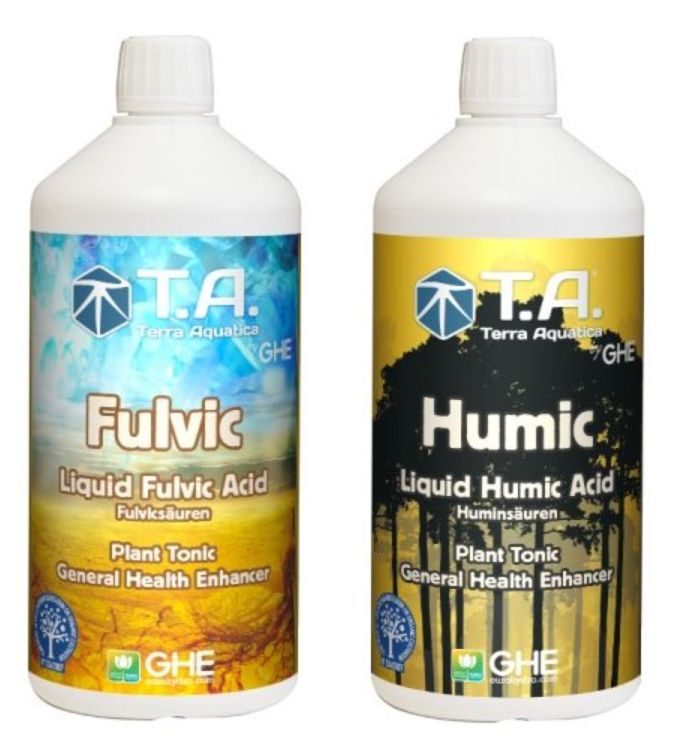
To make it easier to explain how these beneficial substances help with the cultivation of all kinds of plants, and how they can become the key to exceptionally high yields from your flowers or crops, let us begin with the most important terms from our glossary. Simply click on the term in question:
- Humus and humification
- Humates
- Fulvic acids, fulvic acids (FA)
- Humic acids (HA)
- Humins
- Chelates, chelation, chelators
- Leonardite
Humates and plant nutrition
Humate-based additives can be applied without concern both in home gardening, or indoor, and outdoors in outdoor environments. Their use is not limited by the choice of growing method or substrate either. As supplements (additives) to basic fertilisers, thanks to their excellent solubility they significantly support the development of useful and ornamental plants, flowers or crops, including medicinal herbs!
Soluble humates contain literally a wealth of natural substances that strongly support plant growth, which is the result of the first of the two most important benefits associated with the application of humic substances in plant nutrition:
- Better uptake and use of nutrients by the plant
- Stronger plant immunity
The other benefits will be covered shortly with the individual substances and products. Whether you have already clicked through the above terms, which are usually known mainly by environmentally focused growers, or not, let us summarise for each individual humic substance why it is worth using its strength in irrigation, and which specific products are a guaranteed source of it.
High-quality fulvic acid is considered by many growers to be the very best boost you can give your plants in addition to basic nutrition. If only because it is a natural chelate. What does that mean? Ultimately, it means that your plants will have a more productive root system and more important nutrients available. Fulvic acids form specific chemical bonds with certain micronutrients, preventing interaction with other ions, and all nutrients bound to the chelate can then successfully travel from the roots to the plant tissues. The result of chelation is much higher bioavailability of nutrients that would otherwise not dissolve. The importance of fulvic acids can also be summed up by saying that they help plants fully use their potential. And without having to reach for mineral supplements, you will get closer to achieving the harvest of your dreams.
That is why we recommend the top-quality additive with a high fulvic acid content and balanced pH: Terra Aquatica Fulvic (formerly G. H. Diamond Nectar).
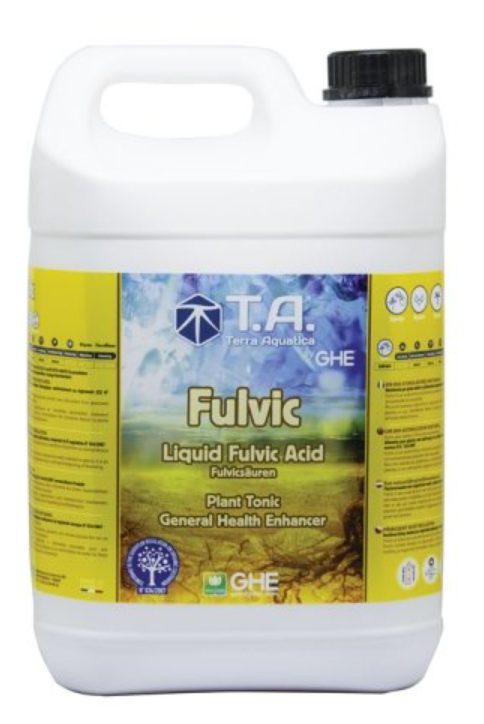
Whatever concentration of FA other conventional products may boast, the only thing that really matters is its quality and composition. You can also use this product without concern in all systems and watering methods.
How to Terra Aquatica Fulvic use it?
Add this additive to the water with every watering at a ratio of 2 ml per 1 l of water. You can also apply it as a foliar spray (3 ml per 1 l of water), up to the early flowering / fruiting stage. Want to support germination? Then soak plant seeds in a diluted solution with T. A. Fulvic.
What can you expect from Terra Aquatica Fulvic?
- shortening of the vegetative phase
- significantly higher yields
- better root development
- greater plant vitality
- increased natural plant defence
- earlier harvest
- more pronounced flavour and aroma
- higher concentration of essential oils
An excellent source of humic substances, which is trusted by both hobby growers and professional growers around the world, is the product T.A. Humic from the legendary brand Terra Aquatica, which you may still know under its former name General Hydroponics.
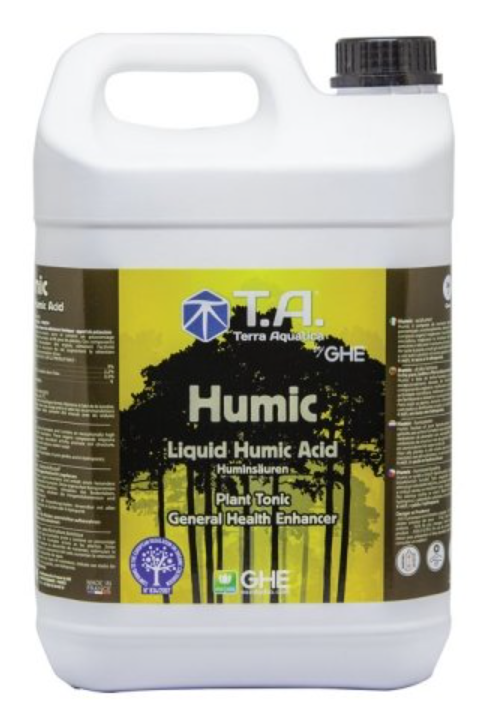
With this additive, your plant nutrition will move up several levels, as you regularly enrich it with an extremely pure dose of lignohumate organic compounds with an exceptionally high content of biologically active humates, which are gently extracted from sawdust using advanced technology as a 100% natural and renewable source! This is an organic product. In practice, this means you can confidently apply it to soil, to leaves, or anywhere that is watered by hand. On the other hand, it is not suitable for hydroponic systems, where it would spoil and clog drip irrigation (drip).
Humic acid can provide plants with a combination of various minerals, resulting in highly absorbable organic compounds. It makes the soil more permeable, protects it against the effects of toxic substances, and helps it retain water.
How to Terra Aquatica Humic use it?
Simply dilute the product as a foliar spray, or apply it with every watering as part of the nutrient solution at a ratio of 4 ml per 1 l of water.
What can you expect from Terra Aquatica Humic?
- significantly better nutrient absorption and utilisation by the plant
- support for an open soil structure and soil life (microbial activity)
- lower water consumption
- easier compost formation (an effective supplement for this purpose too)
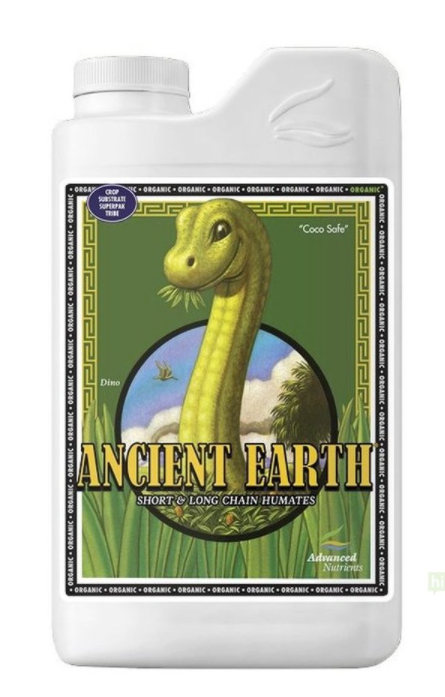
T.A. Humic can be classified together with T.A. Fulvic among universal organic biostimulants. A certified and purely organic blend of humic and fulvic acids is also represented by Advanced Nutrients Ancient Earth Organic OIM. This product, suitable for growth and flowering, not only increases the uptake and use of nutrients contained in fertilisers, but also reliably ensures better aeration of the root zone and less fluctuation in the pH of the nutrient solution, into which it only needs to be applied at a ratio of 2 ml per litre of water.
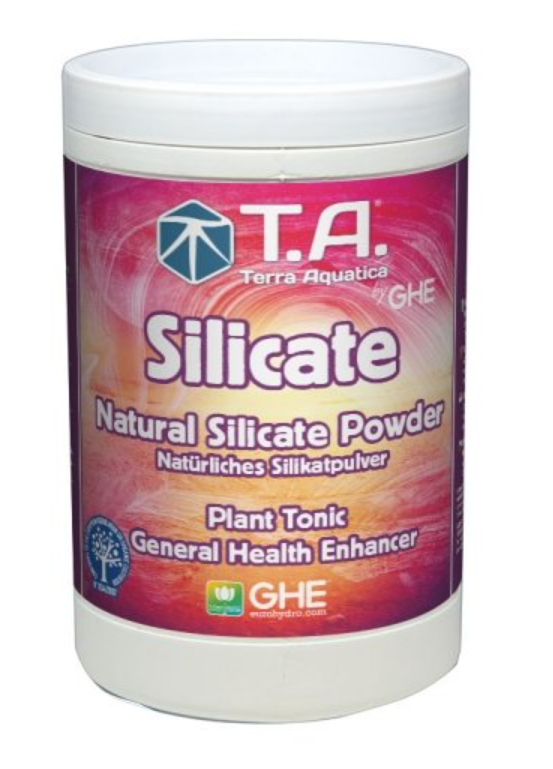
T.A. Silicate (formerly G.H. Mineral Magic) is a supplementary fertiliser that allows easy application and long-term storage. If you grow your plants in pots, apply T.A. Silicate as a top dressing around the stem. Never mix it directly into the substrate so as not to endanger soil life (microbiome) in the growing container. When growing in open ground, for example in a garden bed, you can mix this product directly into the substrate. In this case, the microbiome will survive without problems thanks to the larger volume of soil, and any excess product will be naturally washed away. T.A. Silicate is also used in hydroponics. It is added to the nutrient solution tank, after which T.A. Silicate will be released gradually. If you notice a residue of clay at the bottom of the tank, that is not a problem. On the contrary, the composition of the product will act as a pH buffer, meaning it will balance the pH of the nutrient solution. Another way to use T.A. Silicate in practice is application directly to the leaves. Simply mix the product in a measuring cup first and, if necessary, strain it through cloth. The new formula also promises use in atomisers.
We also recommend these products:
We will also be happy to recommend further interesting products based on your needs and preferences at the well-known e-mail address info@higarden.eu. Do not hesitate to ask us anything you are currently interested in. We look forward to your questions!
What to read next?
- Jungle Indabox maximises the benefits of chelation
- What is vermiculite and how to use it?
- BioNova Veganics – fertilisers not only for vegans
What Is Vermiculite and How Do You Use It?
On the market for products for indoor and outdoor gardening, a wide range of substrate enhancers is available, and in such quantities that it is certainly worth introducing a proven helper for easier orientation, which growers of all categories commonly use as an additive to substrates.
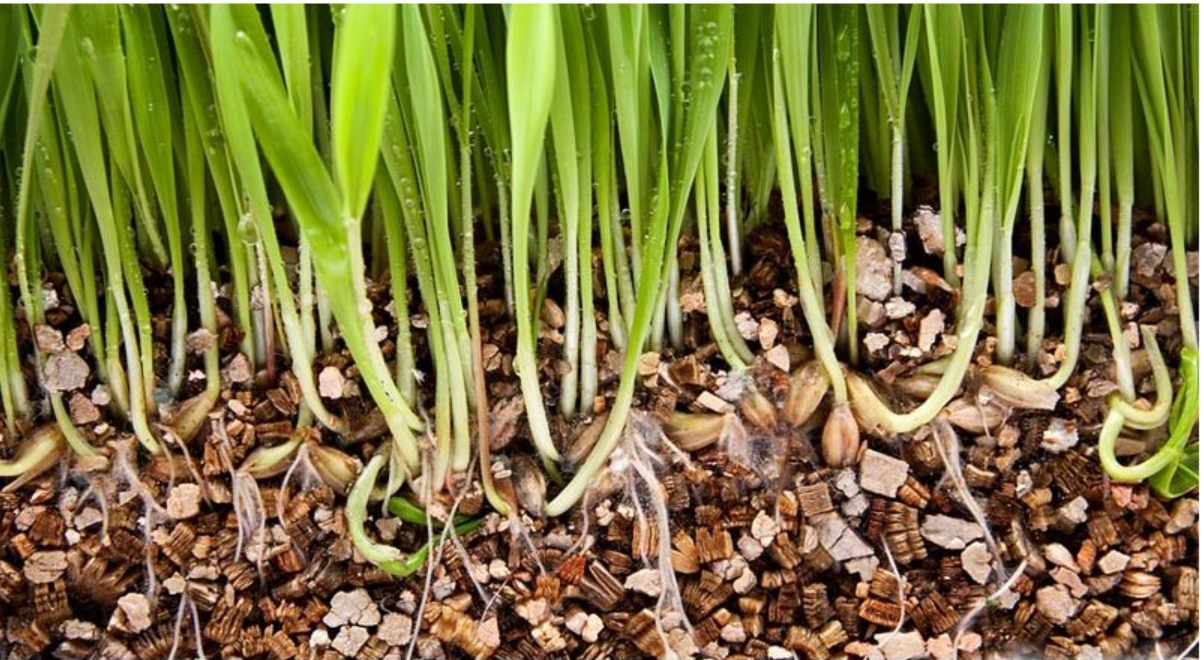
- First, let us answer the basic question from the title of this article: under the term vermiculite there is a natural mineral of mineral character, in other words a rock that is mined all over the world.
- The traditional Czech product from Grena is made of vermiculite originating from South Africa.
- Vermiculite has no odour. It neither smells nor stinks. It is a pure mineral, intended for universal use and effective enrichment of soil, just as it is common to use other additives such as perlite, which it also fully replaces.
- The basic property of vermiculite is its considerable absorption of water, which it then gradually releases to plant roots. After all, it is for this property that this sterile mineral has become popular with gardeners, especially on hot summer days.
- Vermiculite not only retains water excellently, but also gradually releases nutrients that we supply to the soil through fertilisers.
- Once you add vermiculite to the soil, you will ensure better management of fertilisers and lower water costs!
- Another advantage of vermiculite is its high resistance to mould.
- Another property in which vermiculite excels is its ability to multiply its volume depending on the temperature. In other words, it expands when heated. This property is used in the production process, when vermiculite undergoes a process of exfoliation, and thus becomes sterile.
- Unlike similar mineral substances, you will not find any asbestos in vermiculite.
- This rock is very popular in the world of gardening, as in practice it replaces perlite, sand and peat at the same time. Among other things, it enriches plants with magnesium, calcium and a whole range of other trace elements.
- We already mentioned above that vermiculite is especially useful in hot summer months. During this period, it is not only drought and heat that threaten the root system of plants, but we must also not forget the intensity of sunlight. The same applies when growing indoor, for example in a grow tent, when the growing space is filled with radiation generated by a source of artificial lighting with high intensity. Thanks to the fact that vermiculite acts as a natural insulator, adding it to the soil also helps prevent scorching of the plants, or rather their roots, which it helps protect.
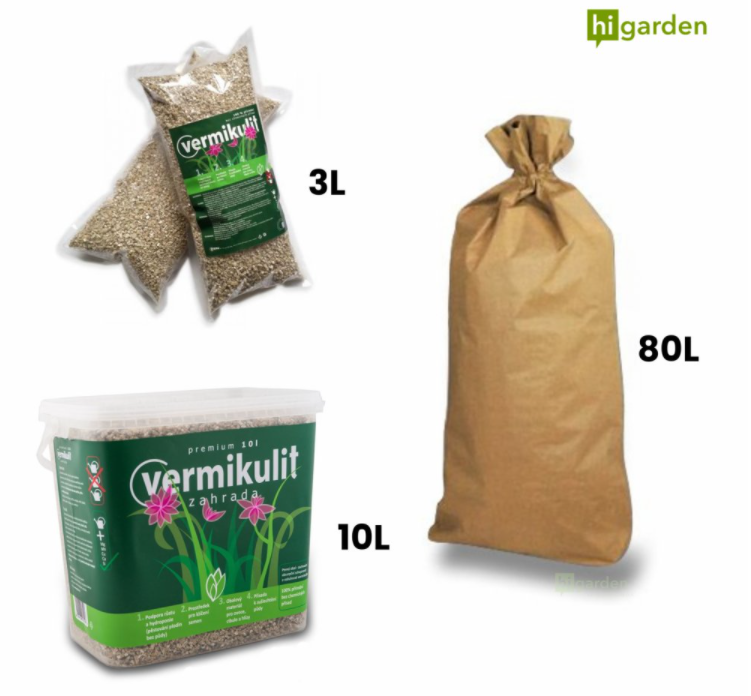
Practical uses of vermiculite:
- Additive for substrates for houseplants. If you grow houseplants, mix vermiculite in a ratio of 30% vermiculite and 70% substrate.
- Seed germination. During germination, vermiculite can be used on its own.
- Cuttings. Vermiculite can be used on its own or as an additive to a substrate intended for cuttings in a 1:1 ratio.
- Hydroponics. Vermiculite can also be used in hydroponics without any problem on its own. Alternatively, it is possible to mix 75% vermiculite and 25% sand or small stones.
- In greenhouses, window boxes or flower beds it is common to mix vermiculite into the appropriate type of soil in a 1:1 ratio.
- Fruit storage. Because vermiculite is natural and sterile, you can apply a 2-5 cm layer of vermiculite under freshly harvested fruit.
- Based on particle size, vermiculite is generally divided into 5 classes. For its use in horticulture, as vermiculite also has its permanent place in construction, the most widespread class is MEDIUM.
- Finally, it certainly does no harm to summarise the key advantages of mixing vermiculite into the substrate:
- Protection of the root system against scorching and diseases
- Lower costs for water and fertilisers
- No chemical additives
- Enrichment of the soil with important substances (Mg, Ca, trace elements)
If you have any questions about the use of vermiculite, or if you need advice on choosing a suitable substrate, our specialists are at your disposal at the well-known address info@higarden.eu.
We also recommend these products:
- Horticultural vermiculite from the Czech company Grena (from 99 Kč)
- BioNova Bio Soilmix 50L (from 279 Kč)
- Aerated HERCULES pots (from 49 Kč)
What to read next?
Jungle Indabox maximises the benefits of chelated bonding
Read on to find out what the main advantages are of plant nutrition with micronutrients in chelated form, which is by far the most effective way for your plants to absorb the nutrients contained in fertiliser. Such fertilisers include world-class Czech products from the Jungle Indabox brand.
- The most important metallic micronutrients for plant nutrition, such as iron, manganese, copper or zinc, are usually supplied in ordinary mineral fertilisers in the form of ionic compounds (zinc chloride, copper sulphate, etc.).
- However, the drawback of ionic compounds during the fertilising process lies in their tendency to react easily and spontaneously with other components of plant nutrition, which leads to undesirable chemical interactions, the result of which is insoluble compounds that can be toxic to plants, especially in the case of over-fertilisation! This is all the worse because over-fertilisation is one of the common beginner mistakes. An unhealthy high content of metallic micronutrients caused by over-fertilisation may then be harmful not only to the plants themselves, but even to the end consumer.
- If you want to take the path of organo-mineral or bio-mineral plant nutrition, you do not even need to go beyond our country, because in the Czech Republic we have a renowned manufacturer whose fertilisers and additives can easily stand up to global competition.
- Metallic micronutrients are therefore a good servant but a bad master in plant nutrition. That is why JUNGLE indabox fertilisers use a chelate bond to distribute these key nutrients.
- To better imagine the term chelate bond, we can use the expression “a cage of amino acids”. Amino acids, that is, substances capable of chelation, form a chelate bond in combination with minerals, or a complex of “amino acid-mineral-amino acid”. You will certainly remember molecular and compound models from school. The shape of such a complex strikingly resembles tongs or pincers (see the image below). This is also where the term itself comes from, derived from the Greek word “cheilos”, meaning pincer.
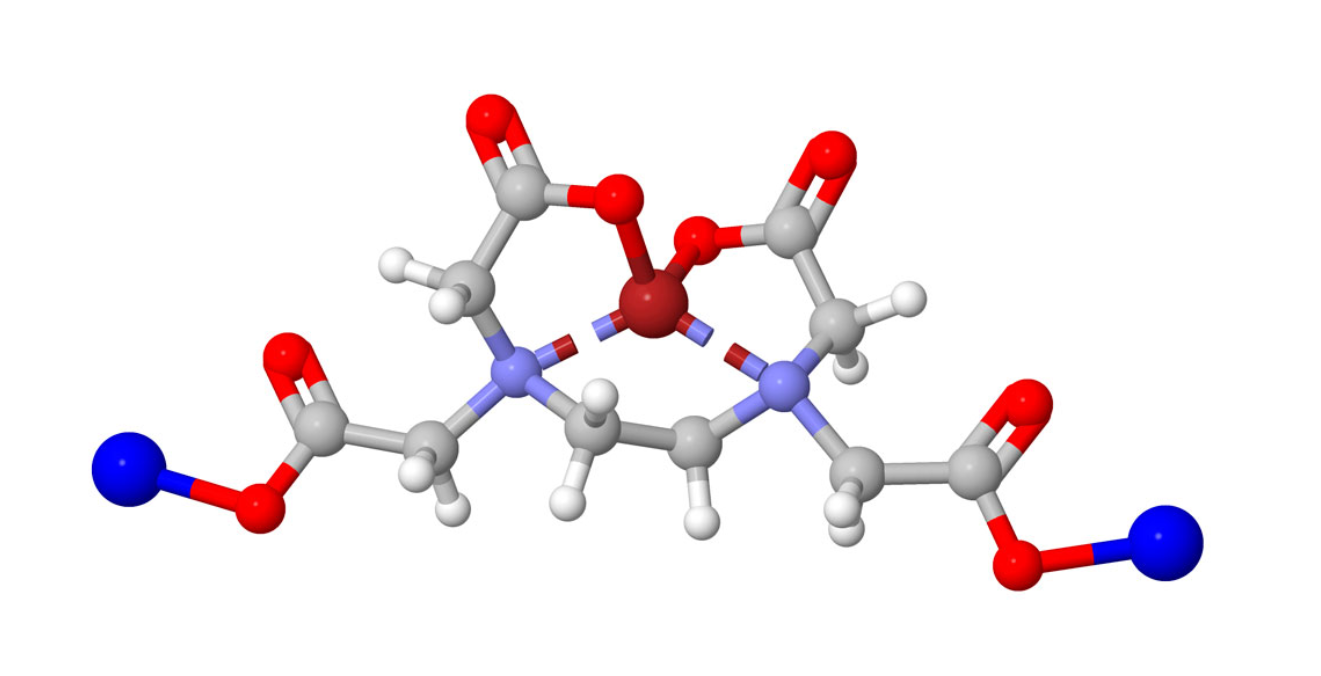
- The chelate molecule has a purely organic character, because plants are able to produce acids of the above-mentioned type themselves and then naturally use them to release metal from the soil and transport it in trace amounts into the plant body. A typical example is citric acid. As the manufacturer states, we can summarise that the organic chelate molecule has the following properties:
- It prevents the toxic action of metallic elements on plants, because the plant only “unpacks” the chelate when it actually needs the given metal atom.
- Amino acids act as carriers enabling significantly more efficient transport of nutrients to the target cells of the plant body. In short, we achieve better absorption of fertilisers, which is of course also associated with more economical management and long-term savings.
- Another advantage of chelate molecules is the availability of important micronutrients across a wide range of pH.
- For growers who like to go more deeply into the composition and operating principles of fertiliser, we will also mention the three most commonly used chelating agents, including the possibilities of chemical bonds:
- EDTA: ethylenediaminetetraacetic acid chelates copper, zinc, manganese and iron (Fe2+ and Fe3+)
- DTPA: diethylenetriaminepentaacetic acid chelates iron only.
- EDDHA: ethylenediaminedihydroxyphenylacetic acid also chelates iron only.
- Fertilisers from the Jungle Indabox brand, unlike those from other manufacturers, also provide zinc, manganese and copper in chelated bonds, and the results in the form of higher yields will not be long in coming.
- The main chelating organic compound used is FeEDDHA, which is illustrated in the image below.
- Research accompanying the development of plant nutrition from Jungle Indabox (Numazon) shows that the use of FeEDDHA in the manufacturing process is highly effective in the subsequent application of fertilisers. Usually, only a fraction of the usual dose is sufficient, which would be enough in the case of fertiliser compositions from other manufacturers, who mostly use Fe-EDTA as paradoxically the least stable of these chelating compounds, with as much as 80% in an environment with pH above 6.5 breaking down in about 14 days, or alternatively the second classic variant in the form of citric acid.
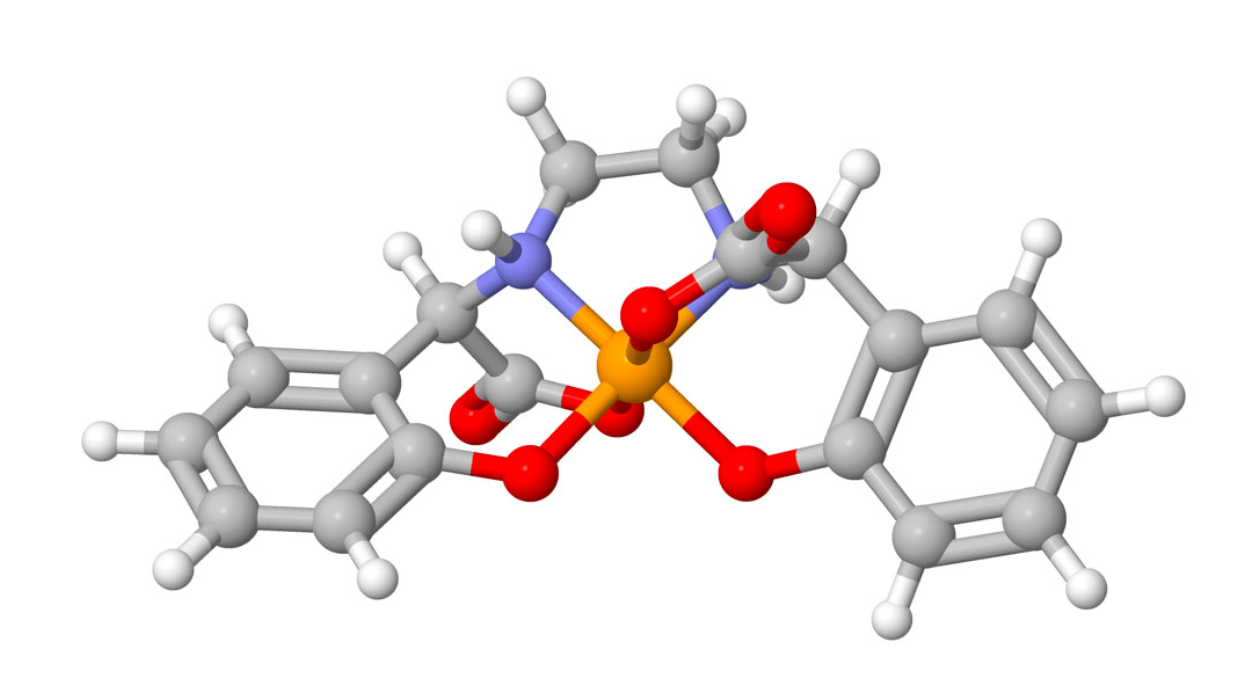
- As soon as you get your hands on Jungle Indabox fertilisers, you will certainly notice the striking red-purple colouring of the MICRO component. This is caused by the phenol-Fe(III) bond, which ensures much greater stability than we can observe with purely carboxyl chelating agents such as EDTA (see above).
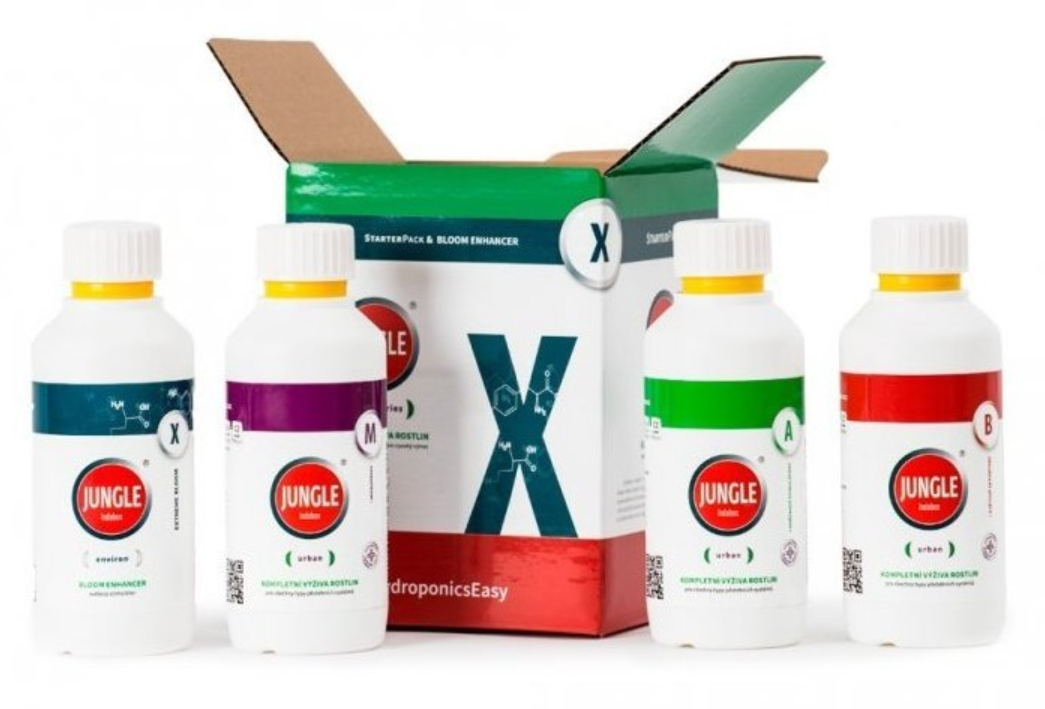
Our TIP: Jungle Indabox StarterPack URBAN X MINI is among the top 3 best-selling discounted sets in our e-shop for an easy start and a cost-effective introduction to complete nutrition from the Czech manufacturer throughout the entire growing cycle.
Czech scientists have a considerable reputation worldwide, and JUNGLE Indabox fertilisers are one of many proofs of this thanks to the clever use of the advantages of chelate bonds in growing practice. If you are interested in the products of this brand and would like advice on your choice, please do not hesitate to send us any question at the well-known e-mail address info@higarden.eu.
We also recommend these products:
- BioNova Bio Soilmix 50L (279 Kč)
- LUMii Black Digital complete 600W KIT (from 2,990 Kč)
- Lumatek ZEUS 600W PRO 2.9 (23,999 Kč)
What to read next?
- What are Cal-Mag products for and how should they be used?
- How high above the tops of plants should a lamp be hung?
- How to grow microgreens
Nitrogen (N) Deficiency
A nitrogen deficiency is manifested by slow plant growth and subsequently by yellowing to a pale yellow. Unfortunately, these symptoms may also be caused by a range of other negative influences (for example, stagnant water, soil diseases or nematodes, etc.).
So how can you recognise when it is truly a nitrogen deficiency?
- First, the older leaves begin to turn yellow-green – from the top down
- Over time, the yellowing reaches the lower part of the leaf and begins to spread into the veins as well
- Next, growth stops and the affected leaves fall off
- Purple / reddish stem
Nitrogen deficiency can be recognised by the yellow (yellowish) leaves of the plant: if the roots’ absorption of this element is limited, chlorophyll (important for photosynthesis) disappears from the leaves. This happens first in the older leaves, at the lower part of the plant. The plant extracts nitrogen from these leaves and transports it to the young leaves and other areas where it is needed for further plant growth. Eventually, growth of the plant stops and the leaves fall off. In some plants (for example, cabbage), the leaves change colour to purple instead of yellow. Due to nitrogen deficiency, the plants and their fruits are considerably smaller. A plant with a nitrogen deficiency is much more susceptible to damage from diseases and insects. Unfortunately, these symptoms may also be caused by a number of other negative influences (for example, stagnant water, soil diseases and also nematodes).
Cause of the deficiency
Nitrogen deficiency can have several causes:
- Excess potassium, zinc and manganese in the soil or substrate.
- Too many chlorides in the soil
- The soil or substrate contains too little nitrogen
- Too high a pH level in the root zone (around the roots)
- Dysfunction of the root system caused by damage, disease or low soil temperatures
- Nitrogen is easily soluble and therefore easily leaches from the soil – which can cause its deficiency
How can nitrogen deficiency be prevented?
Usually, nitrogen deficiency does not appear immediately and you need to wait for the symptoms. During intense stress or growth, the plant is more susceptible to deficiencies. It is certainly worth making sure that you are using the correct fertilisers. Better fertilisers contain more than a sufficient amount of nitrogen and are therefore able to provide the plant with proper nutrition throughout its growth.
By using basic nutrients, which contain all the essential NPK components (Nitrogen N, Phosphorus P and Potassium K), you reduce the likelihood of nitrogen deficiency occurring. Always keep in mind that abiotic factors (such as temperature, light intensity, acidity, humidity and wind strength) can also have a significant effect on element deficiencies.
How can you deal with an element deficiency?
If you notice yellowing leaves on the plants, the situation can be addressed by applying a fertiliser with a high nitrogen content. Nutrients can also be applied extra-root (directly to the leaf) by using foliar fertilisers.
What function does nitrogen serve in the plant?
Nitrogen is absolutely essential for the plant. The plant needs nitrogen to form chlorophyll, which is indispensable in the process of photosynthesis. Nitrogen forms part of amino acids, from which proteins are subsequently formed, and these are necessary for all processes in plants. In general, it can therefore be said that nitrogen supports growth of plants, ensures higher quality of plant leaves and fruits, and further contributes to a larger harvest volume.
Reverse Osmosis (RO)
Higher efficiency of fertilisers and stable pH. Read why and how to use a reverse osmosis unit.
The Growmax reverse osmosis unit filters water using a selective membrane without the need for electrical energy. Many growers can no longer imagine watering their plants without it, as these powerful filtration systems remove from ordinary tap water and well water everything that could harm their crop. Away with contaminants!

- The carbon filter reliably absorbs 99 % of poisonous chlorine.
- The semi-permeable membrane captures with 95% success all dangerous salts, heavy metals, pesticides or other chemicals, as well as impurities of natural origin, which are no less dangerous for soil life, the root system of plants and their overall development.
- Even dust does not pass through. Even microscopic particles end up where the sediment filter begins.
More advanced filtration systems with reverse osmosis also include the process of total water deionisation. Deionised water no longer contains any ionically soluble substances and is therefore ideal for watering plants grown in organic quality or by hydroponics.
Investing in a selected reverse osmosis unit, which differ from one another mainly in terms of the volume of filtered water per day, saves growers worries and energy in the long term. Using reverse osmosis water benefits not only plants, but also hydroponic systems, in which, simply put, there is nothing to build up.
Stable pH allows beneficial microorganisms in the soil to function at maximum efficiency. If you focus on ecological cultivation, a reverse osmosis unit should be an indispensable part of your garden equipment.
The icing on the cake is the fact that you do not have to calculate with the EC of tap water, so you can fertilise comfortably according to the values from the manufacturer's dosage tables, where the stated EC corresponds precisely to watering prepared from RO-treated water.
We recommend these products:
- Growmax MEGA Grow (9 499 Kč) filters 1,000 litres in a single day and handles reverse osmosis as well as total water deionisation. Professional performance - exclusive price tag!
- Maxquarium (6 790 Kč) filters 500 litres of water per day and, considering the price, is the best-selling product from Growmax.
- Aquili Classic (1 990 Kč) - the cheapest reverse osmosis filtration system with a capacity of 190 litres of water per day.
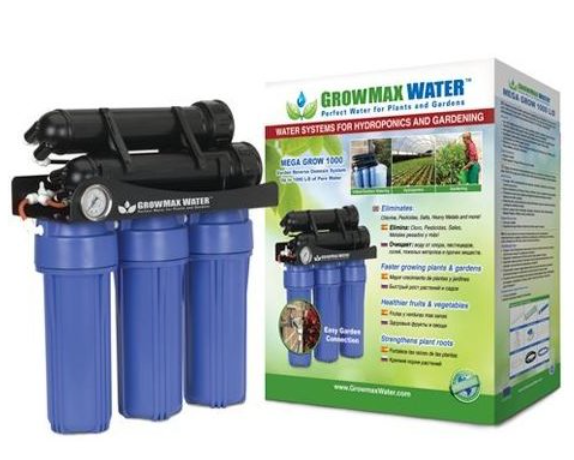
Growmax MEGA Grow = ultra clean water and healthy harvest!
How do you use a reverse osmosis unit?
- Before connecting the filtration system, first check the water pressure. It should definitely be in the range of 3 to 6 kg/cm2.
- The ideal temperature of the source water is in the range of 25 to 30° C.
- Flush the new filtration system with source water for at least 15 minutes after the first start-up.
- Also flush it every time after filter replacement. The average lifespan of filters in reverse osmosis units from Growmax is up to half a year.
What to read next?