
Seedlings and propagation, Page 2
List of articles
Cloning / taking cuttings
Cloning, or taking cuttings, is a method that allows convenient propagation of plants within your indoor garden. You can do it yourself at home. Read on to find out how to proceed and what will help you care for the seedlings perfectly, so that you make full use of the potential of your home growing space.
How does it work? The cutting process consists of removing a part of the plant, which you then replant, creating a clone. This clone has identical characteristics to the mother plant. If you grow herbs at home, so much the better. Herb cuttings are characterised by significantly faster rooting than is the case with cloning woody plants. Clones are already small plants. Compared with growing from seed, you gain several weeks’ head start.
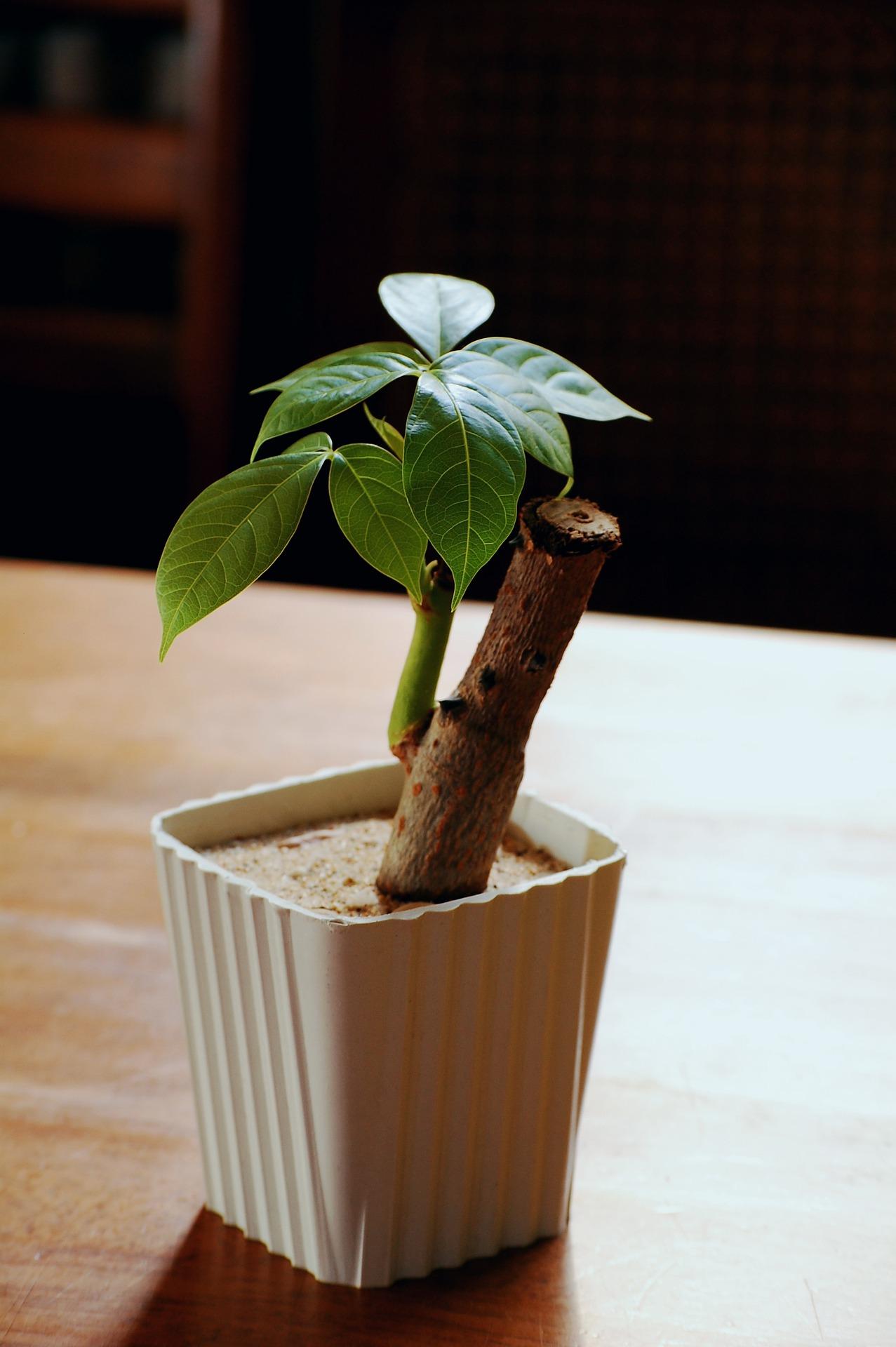
In practice, cuttings are taken from various parts of plants, from roots through shoots to leaves. Based on the degree of maturity of the shoot or a particular part of the plant, we distinguish woody, semi-woody and herbaceous cuttings. It is the last-mentioned that you should take from your herbs as fresh as possible, as soon as you see that the mother plant is already sufficiently vigorous. When growing various herbs and medicinal plants, mother plants are commonly kept in a vegetative state for the gradual cutting of cuttings, which then grow faster than herbs grown from seed. Experienced growers apply a special cloning spray to the mother plant two to three days before cloning itself, which significantly increases the success rate of your clones and, conversely, reduces any losses in the first days after cloning.
The art of the correct cut
If you cut the cutting gently and diagonally at an angle of approximately 45°, you will make subsequent rooting and growth easier for it. For surgical precision, use a scalpel, please. Do not forget the lower leaves, which should always be cut off to prevent them from rotting. We then strongly recommend dipping the lower part of the clone into a quality stimulator, and that is it! The rooting stimulator can be powder or gel. Plant the cutting about 2 cm deep into a growing medium suitable for rapid rooting.
Ideal conditions for your clones
First of all, you need a suitable growing medium.
Growing plants from cuttings is also made possible by various propagation cubes made of basalt wool (Rockwool) or the popular Jiffy pellets. Are you an advocate of ecological growing and would you welcome 100% natural propagation cubes made of earth wool (Earthwool) for rooting cuttings, which do not need to be buffered? Then the range from the brand Agra-Wool is the most suitable solution for you.
For successful and convenient pre-growing of cuttings, growers have access to smaller greenhouses and propagators. A key factor when choosing one is the ability to maintain the important high humidity for seedlings, which ranges between 70–80%. For most plants, temperatures of 20 to 25 °C are beneficial for cuttings inside a propagator.
The exceptionally practical ROOT!T mini propagators can be purchased in a value set containing everything you need, including propagation plugs!

We hope this article has helped you orientate yourself in the basic questions of cloning, and we believe that you will master this activity with ease. Propagating plants is fun. At the same time, it is necessary to proceed correctly and accommodate the needs of different varieties.
We wish you every success in caring for cuttings and mother plants. If you would like to ask anything or need advice on choosing equipment, we are here for you at the well-known address info@higarden.eu.
- ROOT!T cloning spray
- ROOT!T Rooting Gel rooting stimulator
- ROOT!T mini propagators
- Propagation growing medium
- Earth wool propagation cubes
How to Recognise a Quality Clone?
Did you know that growing from so-called clones is significantly more common in indoor plant cultivation than growing from seeds? Is that the case for you as well? Today we will discuss what signs every healthy clone, destined for an excellent yield, should show.

Assessing the quality of a young plant is significantly easier in the case of a clone, and compared with growing from seed, you also save some time, including the usual worries about germination. Clones only need to be planted. That makes their quality all the more important. How can you estimate their genetic potential?
- ROOTS: the root system of a clone probably has the greatest indicative value; just as with more mature plants, vitality can be determined by observing the roots. You should look for fine hairs and the brightest possible white colour. As soon as you notice yellow tips, edges turning brown, or hair-like roots, these clues will tell you that this is a clone whose quality is not very good and more intensive care will not bring you much joy. On the other hand, if the clone is not outright poor, even less vigorous young plants can be effectively encouraged at the start during transplanting. For this purpose, a good root booster and other nutritional supplements for plants will help, for example highly concentrated enzymatic preparations or organic soil improvers. These products complement one another, and it is up to you how comprehensively it pays to care for your clones.
- SIZE: clones from the same batch should also be very similar in size. It does not have to be down to the millimetre, but this clearly shows their common origin.
- COLOUR: more precisely, the shades of green by which individual varieties may differ from one another. Plants of the same variety should be identical, with the same colour. Here we again find a parallel with humans: a “healthy complexion” is simply fresh and easy to recognise. Put simply, the clone must have strong and white roots.
- NODES: a clone ready for further development should not have only one or two nodes. Three is the minimum, but ideally a clone destined for a successful harvest should have even more nodes. New shoots form at the point where leaves connect to the stem of the young plant. Each shoot counts as one node. You have certainly already noticed, whether at home or in nature, the phenomenon where two leaves emerge from the same place on opposite sides. These are mirror shoots, and in their case we count two shoots as one node.
- LEAVES: observe whether the connection to the stem is noticeably weak, as that would be a bad sign. A good sign in the case of every clone, on the other hand, is a strong and healthy leaf that holds firmly. Such leaves should be distributed practically evenly along the entire length of the clone. As far as leaves are concerned, the best thing you can do for the health of a clone is a spray as prevention against mould and rot. You can also prepare it in BIO form. You will find everything for the protection of your clones here.
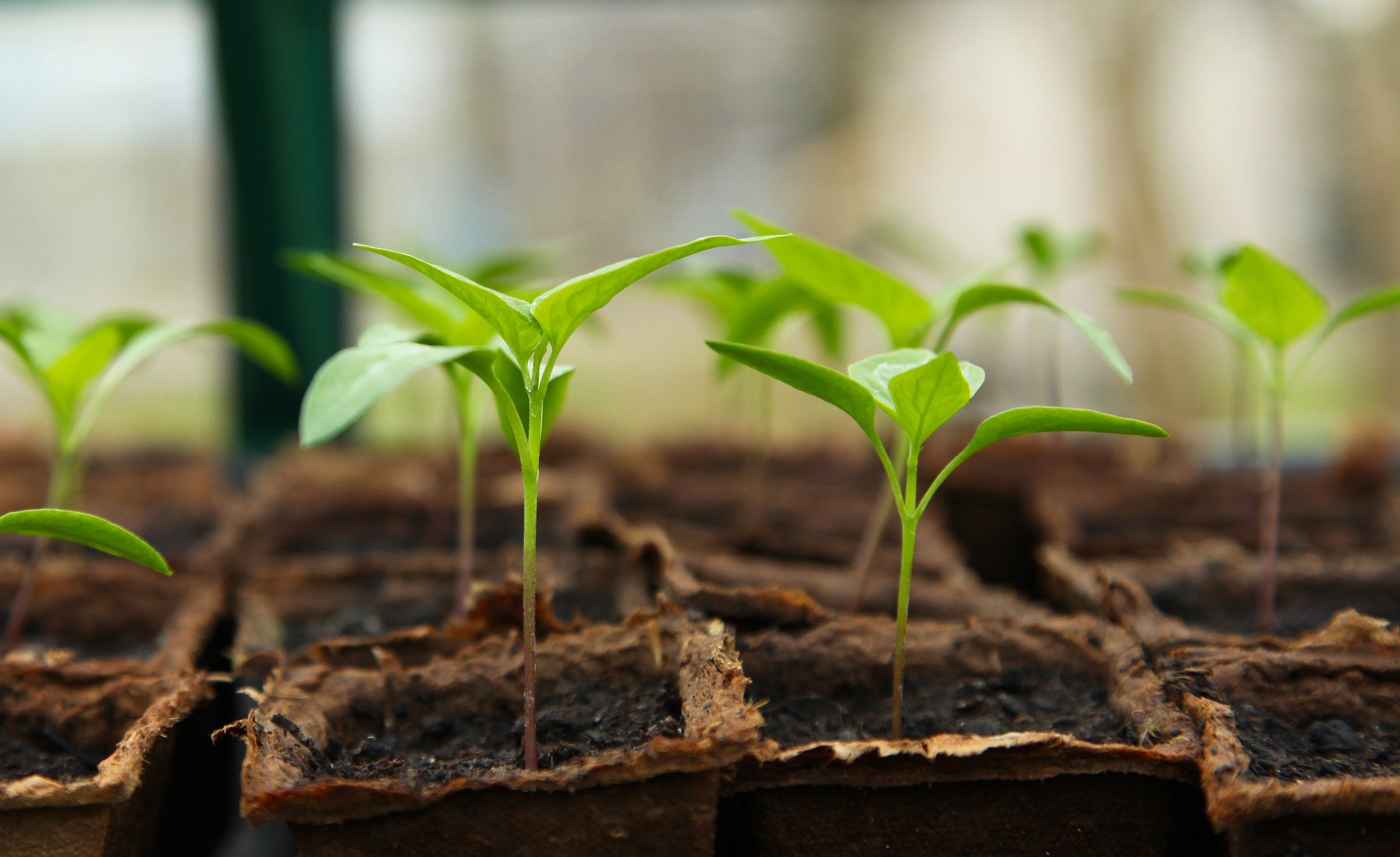
We recommend these products:
- ROOT!T cloning spray 100 ml - increases clone success rate
- Cloning systems
- Protection of clones against pests and diseases
- BioNova fertiliser sets - comprehensive nutrition for the entire growing cycle from the popular Dutch brand. Support planted clones right from the start and look forward to a fantastic harvest.
- BioNova Veganics - everything needed for the growth phase and the flowering phase, if you want your harvest to be 100% BIO.
- HERCULES - modern plastic pots will make your journey from planting the clone to beautiful flowers and fruits easier.
- LED sets – a finely tuned grow box complete set with everything included for more than one growing cycle represents a fully equipped growing space for your clones.
In cultivation practice, the quality of clones is often underestimated, especially at the beginning when experience is lacking. That is why we believe that after reading this article, this will no longer be the case for you, and if you have any further questions on the topic of clones, do not hesitate to contact us at the well-known address info@higarden.eu.
What to read next: