
Substrates, Page 3
List of articles
How to Choose a Growing Medium?
Quality substrates are among the basic prerequisites for a successful harvest. These are mixtures made on various bases, whether it is peat or, for example, crushed coconut fibres. In this article, you will find out everything you need to know before you put a specific growing medium into your basket. You will also learn what to enrich it with and how to improve soil properties for even higher yields.
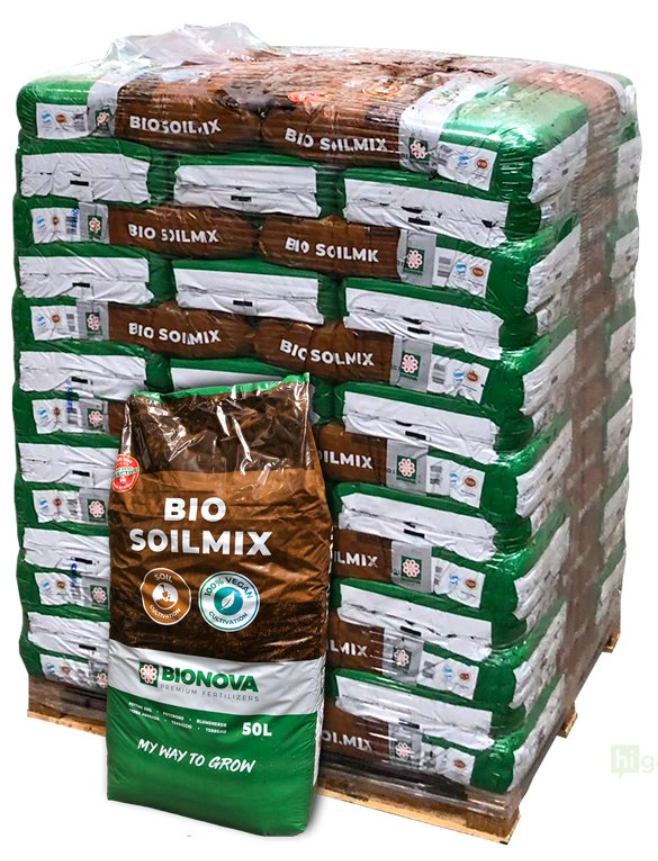
First of all, you should clarify the answers to the basic questions that should certainly come before choosing the ideal growing medium, namely WHAT you will grow and WHERE you will grow it:
Do you want to grow herbs, fruit or vegetables in a growbox (indoor), in a greenhouse or in a garden bed in the garden (outdoor)?
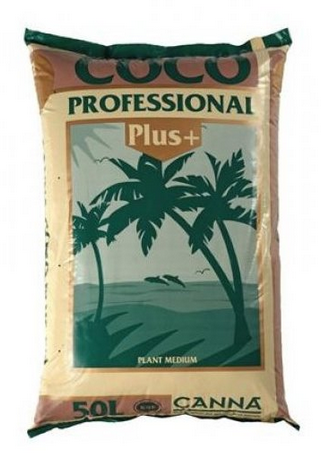
In a grow tent, in a greenhouse, but also on a windowsill, you will use pots or planters. The standard ones, intended for hand watering, can be filled with soil or coconut coir, which combines the best of hydroponics and growing in soil. Coconut fibres can hold a great deal of water while maintaining a high level of airiness.
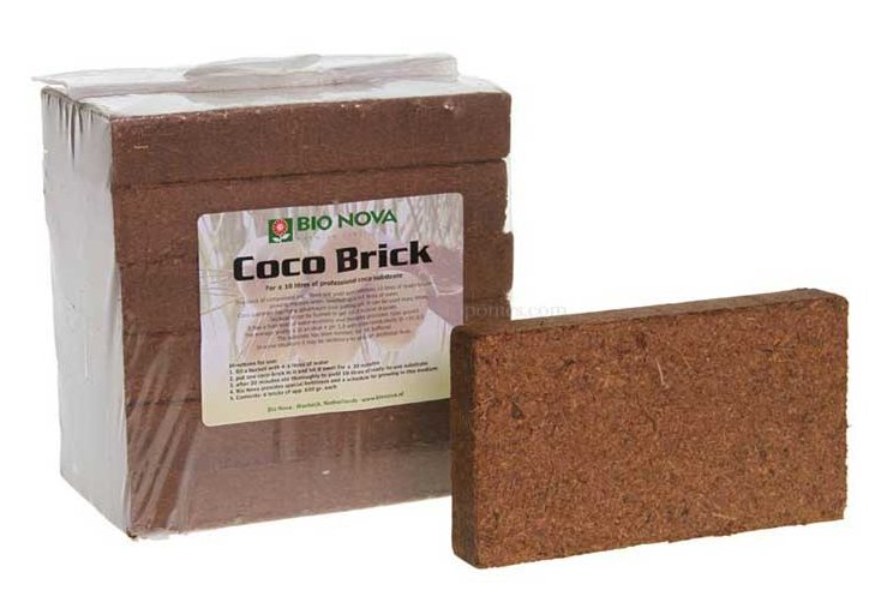
In addition to classic bags, you can also get practical compressed coconut briquettes. The pack contains compressed coconut fibres in a dehydrated state, which expand to the declared volume after watering, after which the substrate is ready for immediate use. The benefit of dried briquettes is long-term storage while preserving the original properties of the substrate, as well as easy handling of larger quantities of packs.
It should, however, be said that before using coconut substrate, it is better for the grower to have at least some experience, whereas soil mixes will also serve enthusiastic beginners well, as they allow a certain degree of tolerance for mistakes (in fertilising, watering, etc.). At the very beginning of the growing cycle, you also do not need to deal with nutrition, because peat mixes, often referred to simply as soil among growers, are divided according to nutrient content for the first weeks of the growing cycle into lightly, medium and heavily pre-fertilised substrates.
In the garden, a suitable substrate helps you cultivate the growing space and create a more favourable environment for plants or agricultural crops from seed to harvest.
If your intention is a BIO-quality harvest, use a 100% natural and certified soil mix. It contains, in an optimal ratio, premium white and black peat together with crushed and sieved compost. An important part of the composition of these mixes is also an inert component ensuring aeration of the substrate - perlite, which will be mentioned again in a moment.
Self-watering pots, such as Flo Gro, are filled with inert clay balls measuring 8-16 mm, also known as expanded clay (hydroton).
Expanded clay, like coconut substrates or perlite, belongs among the so-called inert media, which means that it contains absolutely no nutrients (unlike soil).
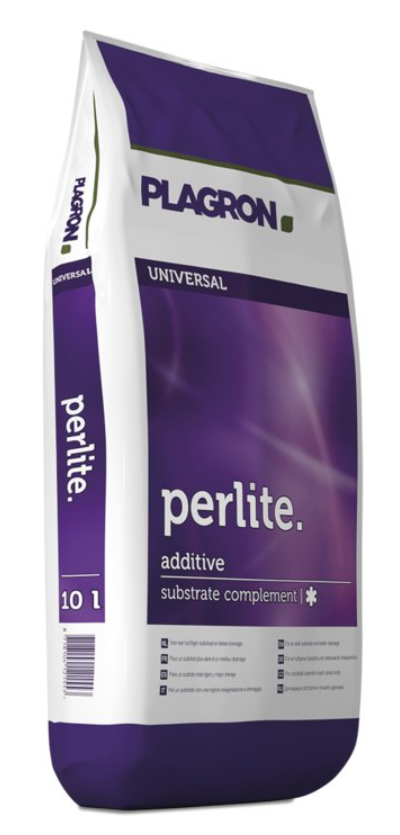
Perlite is most often used to improve soil properties or aerate substrates, whether coconut or soil mixes. These are white inert granules with a high water content, made from amorphous volcanic glass.
We will stay with inert growing media for a while longer. They find their greatest use especially in hydroponics thanks to their highly absorbent and retention properties. This “sterile” environment prevents plants from being attacked by pests or mould in advance.
Compared with soil, when using them it is necessary to continuously measure and regulate pH and EC values to prevent so-called plant burn or a reduction in the efficiency of fertiliser uptake.
A very popular inert medium is rockwool, also known as basalt wool. This substrate provides the root system of all plant species with a completely ideal ratio between water and air.
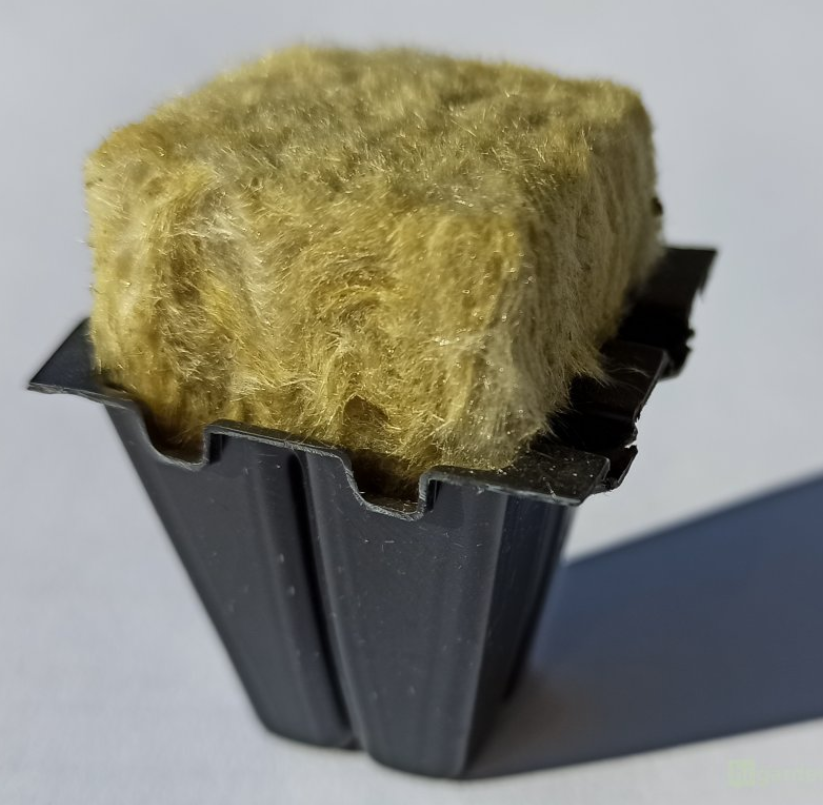
Its natural, 100% organic alternative is the increasingly popular Agra-Wool propagation cubes, made from Earthwool. In addition to being environmentally friendly, they help young plants root more easily.
Houseplants and ornamental plants are best grown in a mix of light and dark peat, which contains nutrition for the first weeks of the growing cycle and humus.
Specialised mixes intended for the cultivation of houseplants usually have their pH adjusted with limestone.
Substrates intended for the cultivation of acid-loving plants contain almost no nutrients and have a neutral pH, so that one product can cover as many commonly grown species as possible.
Substrate can even be mixed by yourself. But it requires experience. Industrial substrates, which today you can easily obtain in a quality suitable even for professional growers at an affordable price, moreover provide not only significantly better results, but also a huge saving of time and energy, and above all the certainty of the purity of the resulting mix. That is truly important. Proven products do not contain weed seeds or pathogen spores. Your plants will therefore grow from the start in a favourable environment that suits them, and they will be able to fully “focus” on root development and overall growth.
Final tip: You will achieve the best results if you combine substrates with fertilisers, nutritional supplements and additives from the same brand!
We hope we have made choosing a substrate easier for you. There is truly plenty to choose from in our e-shop, so do not hesitate to write to us at any time and our specialists will be happy to recommend the ideal growing medium tailored to your needs and plans. We look forward to your questions at the well-known address info@higarden.eu.
When should you choose fabric pots instead of plastic ones?
Plastic pots are a cheaper and proven classic. In cultivation practice, however, we sometimes encounter situations where the lower price is offset by poorer yields, and that is naturally no longer worth it. Read on to find out when it pays to buy trendy textile growing containers!
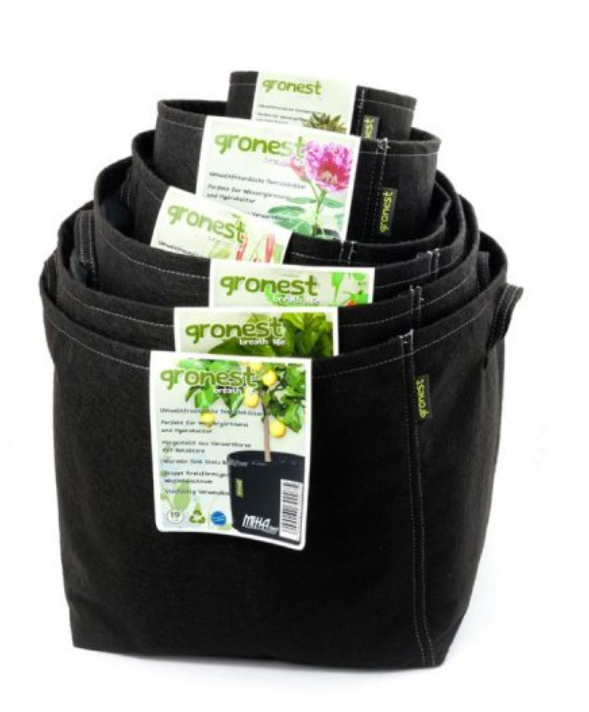
Whether you are engaged in indoor plant cultivation, that is, at home in a grow tent, or outdoor, that is, outdoors in soil and in the sun, textile pots offer several advantages when growing medicinal herbs, vegetables and fruit bushes.
- Eco-friendly textile pots allow universal use not only regardless of the type of plants grown, as mentioned right at the beginning, but also with any growing medium and fertiliser. They work perfectly with coconut substrates, soil mixes, and you will also be delighted if you belong among supporters of hydroponics, as they have no problem with drip irrigation or some hydroponic systems, such as EBB & FLOW.
- In the past, in addition to the lower price, another advantage of conventional plastic pots was the possibility of choosing from an endless number of shapes and sizes. That is no longer the case, because nowadays, both here and everywhere else where gardening supplies for plant cultivation are sold, you can get textile pots in a wide range of designs from a whole series of renowned manufacturers. Would you prefer a textile pot with handles or without? Small, medium, large, or even huge for a more substantial shrub? And what about the colour? After all, you will be able to wash it after use and use it again for the next growing cycle, so the choice matters.
- The greater the access of oxygen to plant roots, the better the yield! This equation applies across growing activities. So, to answer the question in the heading, you can prefer textile pots practically whenever you care about harvest quality.
- Another answer is: if you are just starting out and water your plants by hand. Plastic pots are unforgiving, especially black ones, if you expose them to sunlight or an intense source of artificial lighting. Enthusiastic beginner growers, as we have written many times before, tend to overwater their first plants. Substrate in a plastic pot stays too wet, is prone to mould or pest infestations and, even worse if it is black, attracts light like a magnet and overheats. Textile pots allow enthusiastic beginners to reduce the risk of overwatering to a minimum because they let excess water out of the root zone and are thus able to save many a plant and perhaps even other efforts of promising growers in the first days and weeks.
- Since we have mentioned the root system, whose healthy development is the alpha and omega of a successful harvest, we must not forget other proven facts. How else do textile growing containers help its development?
- They support the process of optimal root branching.
- They prevent undesirable circular tangling of roots and rootlets.
- They protect the root system against the effects of UV radiation.
- The risk of overheating is taken care of thanks to the quality textile, but you may also be surprised by the fact that by using textile pots, including repeatedly after washing, you support plants during transplanting, when they must cope with considerable stress.
- The same applies if a plant is damaged by frost.
- Plants grown in a textile pot do not need watering as often as plants grown in a plastic growing container.
- We must not forget the increasingly discussed ecological sustainability either. This added value of textile pots in itself represents another answer to the question of when and why to use them. In this respect, Root Pouch pots stand out in particular, as do textile pots from other brands, which are usually made from recycled materials. However, to be completely objective, not all textile pots are 100% biodegradable.
- Finally, we have purely practical reasons:
- Considerably easier transport and handling than in the case of rigid plastic pots. Textile ones can simply be folded, so they are much more compact to store.
- You can forget about the degradation of growing containers.
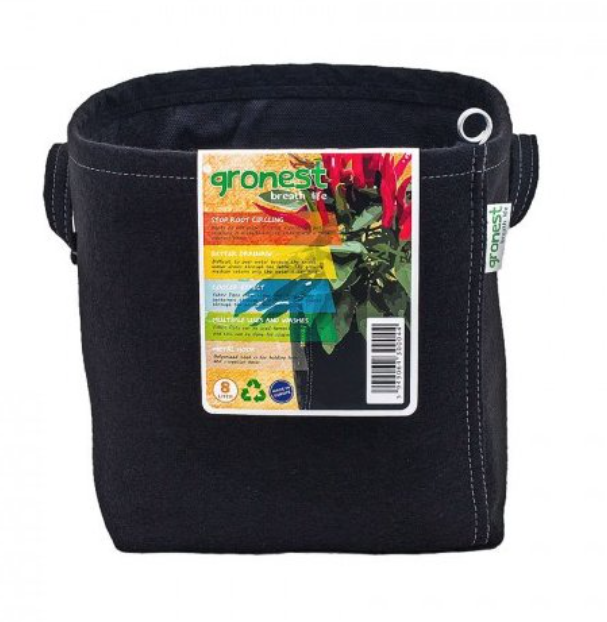
Growers who have tried textile pots in practice have already been convinced that this is a worthwhile purchase both for the owner and for the environment on the planet. You can buy them from as little as 19 Kč. Your growing costs will decrease with long-term use of textile pots, but for the reasons we have explained in this article, you can probably look forward to higher yields. If you would like to ask us anything, or need advice on choosing or using specific products, do not hesitate to contact us at the well-known e-mail address info@higarden.eu.
We also recommend these products:
- Root pouch Boxer brown, non-degradable, 8 l, 21x21cm (59 Kč)
- PLANT!T round textile pot DirtPot 37 l (115 Kč)
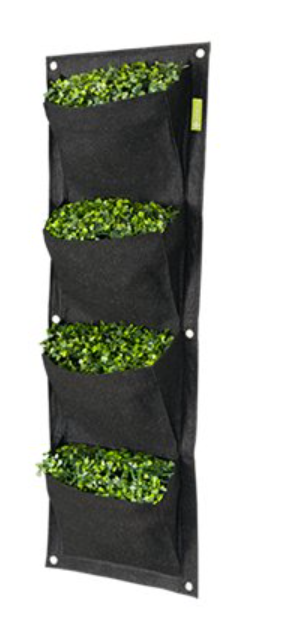
- ProPot Wall 12 - textile wall pot with 12 pockets (699 Kč)
What to read next?
- Jungle Indabox maximises the benefits of chelate binding
- Introducing vertical hydroponic systems NFT
- Trichoderma, or the natural way to a rich and healthy harvest